






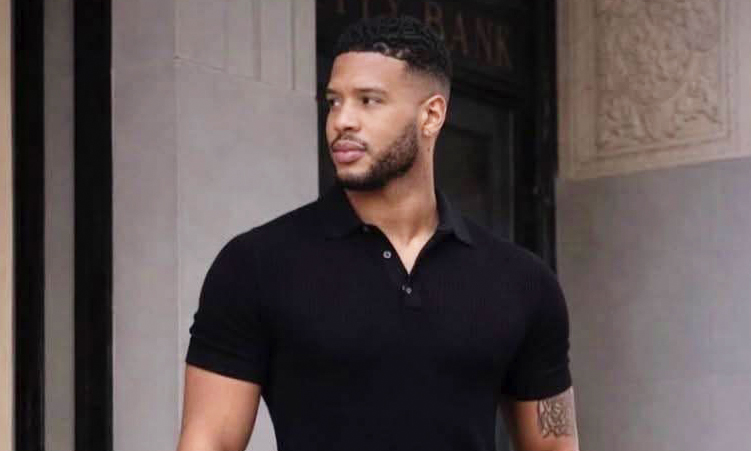
There is a common misconception among young professional men that dressing well is expensive, superficial or reserved for people working in fashion.
It is not. The reality is that the way you present yourself often shapes first impressions before you have said a single word.
In today’s workplace, appearance is not about wearing the most expensive labels. It is about showing respect for yourself, the people you work with and the opportunities you hope to earn.
Whether attending a job interview, meeting clients or simply arriving at the office on a Monday morning, your clothing quietly communicates confidence, discipline and attention to detail.
One of the biggest mistakes young professionals make is dressing for comfort alone. Comfort matters, but it should not come at the expense of looking presentable. A well-fitted pair of trousers and a crisp shirt can be just as comfortable as oversized clothing while creating a far more polished appearance.
Building a professional wardrobe does not require replacing everything you own. Instead, invest gradually in timeless essentials that work together. A white shirt, a light blue shirt, navy or charcoal chinos, dark jeans, a quality blazer and a pair of polished leather shoes will cover most professional and social occasions.
Neutral colours also make it easier to mix and match outfits without constantly buying new clothes.
Fit is arguably more important than the brand on the label. Some of you may have a different opinion from mine, but I’m generally not big on branded clothing.
Even an affordable shirt can look refined if it fits properly, while an expensive suit that is too large or too tight rarely creates the right impression.
If necessary, spend a little extra on tailoring rather than purchasing more clothing. Small adjustments can completely transform how a garment looks.
Young professionals should also understand that different environments call for different styles. What works at a weekend braai is unlikely to be appropriate for a boardroom presentation.
Paying attention to dress codes demonstrates awareness and professionalism rather than conformity.
Footwear is another area where many men fall short. Shoes are often one of the first things people notice. Clean, well-maintained leather shoes or minimalist sneakers, where appropriate, elevate an outfit instantly. Scuffed shoes and worn-out trainers can undermine an otherwise smart appearance.
Accessories deserve equal consideration. A good watch, a quality belt that matches your shoes and a neat leather bag often make a stronger statement than flashy jewellery or oversized designer logos. Less is usually more.
Good grooming completes the picture. Neatly trimmed hair, clean nails and well-maintained facial hair cost very little but contribute significantly to a professional image. Clothing alone cannot compensate for poor personal hygiene or neglected grooming.
Another worthwhile habit is taking care of your wardrobe. Read care labels, iron your shirts, repair loose buttons and store clothing properly. Looking professional is often less about buying new clothes and more about maintaining what you already own.
Perhaps the most valuable style lesson is to dress in a way that reflects who you are while remaining appropriate for the occasion. Confidence comes from feeling comfortable in your own skin, not from chasing every trend that appears on social media.
Fashion trends will always change, but good style rarely does. Young professional men who focus on quality, fit, grooming and versatility are more likely to build a wardrobe that serves them for years. Dressing well is not about impressing everyone around you. It is about presenting the best version of yourself before you even begin the conversation.