





I have often asked myself why schools in Botswana are able to provide nutritious meals to pupils consistently, while many schools in Namibia continue to struggle with shortages and inadequate feeding programmes.
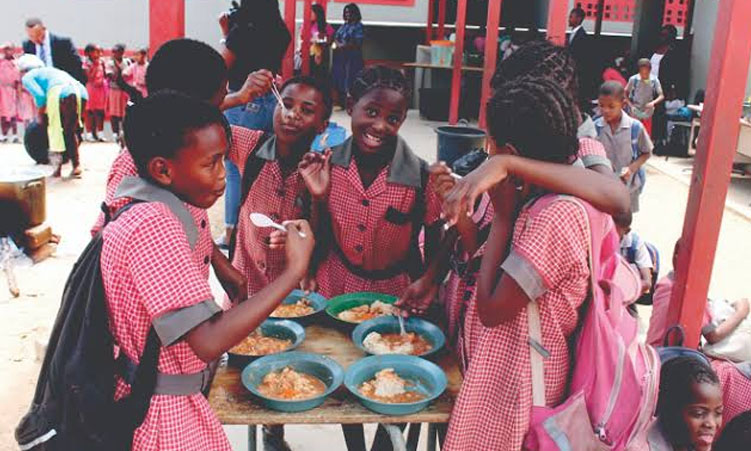
In Botswana, school feeding programmes are taken seriously across the country, including in rural village schools. Learners receive balanced meals throughout the day. Early in the morning, children are served soft porridge (bogobe) mixed with peanut butter and warm milk. Breakfast may also include bread with peanut butter, eggs, and milk. At lunchtime, they are given proper meals consisting of meat, mabele (sorghum meal), fruit, and clean drinking water. Importantly, there is rarely a shortage of food in schools.
Schools in Botswana often operate from as early as 06h00 to 17h00, yet pupils remain active, focused, and disciplined because they are well fed and properly cared for. Nutrition plays a major role in a child’s ability to learn, concentrate, and participate positively in school activities.
Perhaps it is time for Namibia to reconsider the way our school systems are managed and supported. If possible, the education minister should visit Botswana to learn how such systems are successfully implemented. We must ask ourselves: why is this possible in Botswana but not in Namibia? More importantly, how can it also become possible in Namibia?
As a nation, we are losing many children to the streets. Some become street children, while others fall into crime, substance abuse, violence, and negative peer influence because they are left idle, hungry, and unsupported. A hungry child cannot concentrate properly in class, and over time, this frustration may contribute to hopelessness, poor academic performance, and behavioural problems.
In Botswana, schools are properly fenced, protected, and organised. Learners are disciplined from home and continue to develop that discipline within the school environment. Cases of vandalism are less common because children are taught responsibility, dignity, and respect from an early age.
We cannot continue receiving large government budgets while children continue to suffer the most. We must honestly ask ourselves: what are we doing as a nation?
It is time for the government to reconsider and improve the way school feeding programmes are managed. The current situation is not acceptable.
Children are often described as the future of the nation and a special responsibility of the government. Therefore, we must do better. As civil servants – including teachers, principals, nurses, officers, ministers, and all government employees – many of us go to work after eating balanced meals at home, and we also ensure that our own children are properly fed before going to school. But what about the child whose parents cannot afford even basic meals?
Investing in school nutrition is not simply about providing food. It is about protecting education, reducing crime, improving discipline, strengthening public health, and building a productive future generation. Proper nutrition supports better academic performance, emotional stability, and social development.
Namibia has both the resources and the potential to improve the lives of pupils if school feeding programmes become a genuine national priority rather than an afterthought.
Our children deserve the opportunity to learn with dignity, energy, and hope for a better future.
– Monicah Tjatindi