The Welwitschia Sovereign Wealth Fund has grown to a market value of US$30.85 million (N$508.47 million), delivering an annualised return of 15.5% since its establishment four years ago.
The fund received initial seed capital of US$17.74 million (N$282.68 million) in early 2022.
Its value has since increased from N$440 million in August last year to more than N$508 million.
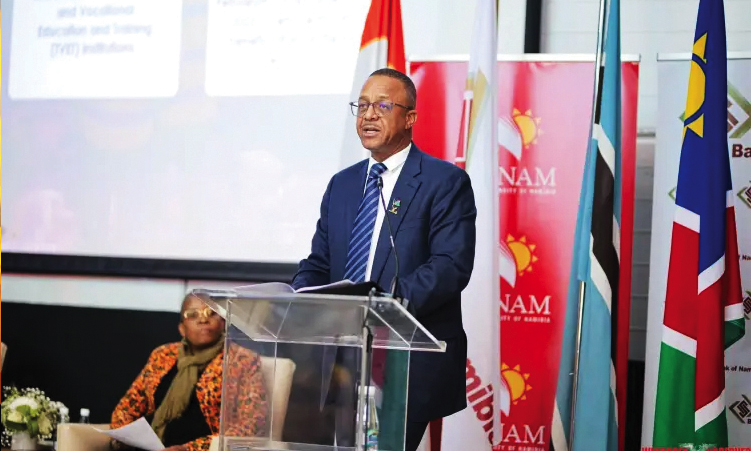
Bank of Namibia governor Ebson Uanguta says the fund is intended to convert Namibia’s natural resource wealth into long-term financial wealth.
“The Welwitschia Fund is a mechanism for converting resource wealth into longer-term financial wealth,” Uanguta says.
He made the remarks in a presentation titled ‘Building Wealth Beyond Natural Resources: Creating Namibia’s Next Growth Story’, delivered last week.
Established in 2022, the fund is designed to strengthen Namibia’s resilience to economic and external shocks, promote inter-generational equity and ensure that the benefits of the country’s natural resources are spread across generations.
It has two main functions: saving for future generations and stabilising the economy during periods of economic stress.
The inter-generational savings component is intended to build wealth for future Namibians, while the stabilisation component is meant to support the national budget and reserves when the economy is hit by commodity price fluctuations or revenue shocks.
The fund is divided into two accounts – a liquid stabilisation account and a longer-term inter-generational savings account.
The Bank of Namibia, under the jurisdiction of the Ministry of Finance, manages both accounts.
The central bank has also proposed strict limits on withdrawals to protect the fund’s capital.
Withdrawals from the inter-generational savings account would be restricted to investment returns, with the underlying capital protected. Annual withdrawals would also be limited to no more than 10% of accumulated returns.
Withdrawals from the stabilisation account would be capped at 10% of total assets in any given year and would only be permitted when specified fiscal conditions are met.
Uanguta also disclosed that the Sovereign Wealth Fund of Namibia bill is currently undergoing statutory approval and is expected to be tabled in parliament later this year.
The legislation is expected to provide the legal framework governing the fund, including its investment, withdrawal and governance arrangements.
A portion of the inter-generational fund is also earmarked for infrastructure. About 2.5% is expected to be invested in infrastructure projects with socio-economic benefits for future generations.
The fund’s development comes as Namibia seeks to ensure that expected revenues from its emerging oil and gas industry, as well as other natural resources, translate into lasting financial assets rather than only short-term government revenue.