



Zambezi residents are seeking clarity on the creation of new constituencies ahead of the November elections amid a delayed government report.
The Zambezi Regional Council in a report proposed the establishment of a new constituency called Bwabwata, where most of the San community in the region live, during last year’s consultations with the fifth Boundaries Delimitation and Demarcation Commission.
While the report was submitted to former president Nangolo Mbumba earlier this year, it has not yet been publicly released.
Zambezi residents are worried that preparations for November’s elections are underway without them knowing whether the region would have an additional constituency. They argue that since the upcoming elections aim to choose constituency councillors, it would only be fair if the suggested new constituency had a candidate they could elect.
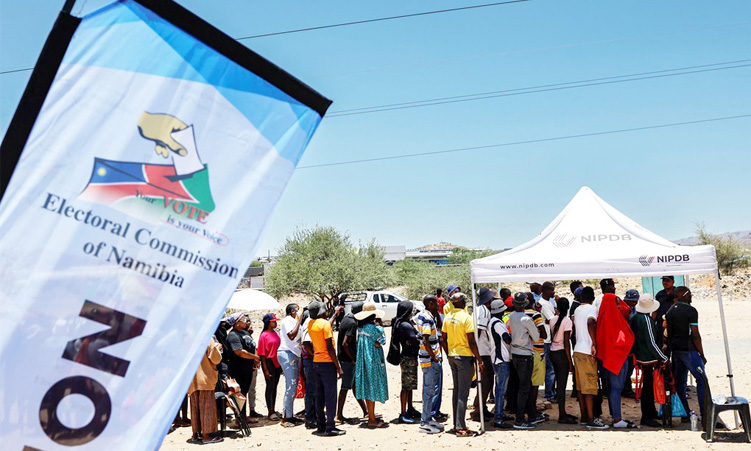
Residents raised these concerns on Monday during the Electoral Commission of Namibia’s regional stakeholders engagement ahead of the supplementary registration of voters from 4 to 19 August.
“We all know during the commission’s consultations we made a proposal for an additional constituency. Therefore, we thought today that the Electoral Commission of Namibia (ECN) would tell us what happened regarding that.
“What if president Netumbo Nandi-Ndaitwah announces the new constituencies and there happens to be one more?” resident Linus Muchila asked.
Linyanti constituency councillor Ivenne Kabunga said it is residents’ constitutional right to know whether there would be an additional constituency before the upcoming elections.
“Citizens should be informed as to what transpired. The ECN and the government are the same, therefore you were supposed to give us information today,” he said.
Sibbinda constituency councillor Micky Lukaezi said the Regional Councils Act is clear about the functions of the delimitation commission, and that the boundaries of regions and constituencies are supposed to be determined before elections for equitable representation and facilitation during elections. Zambezi regional electoral officer Lesley Simwanza told residents the ECN could not provide clarity on their questions, as the commission is also in the dark on the possibility of a new constituency.
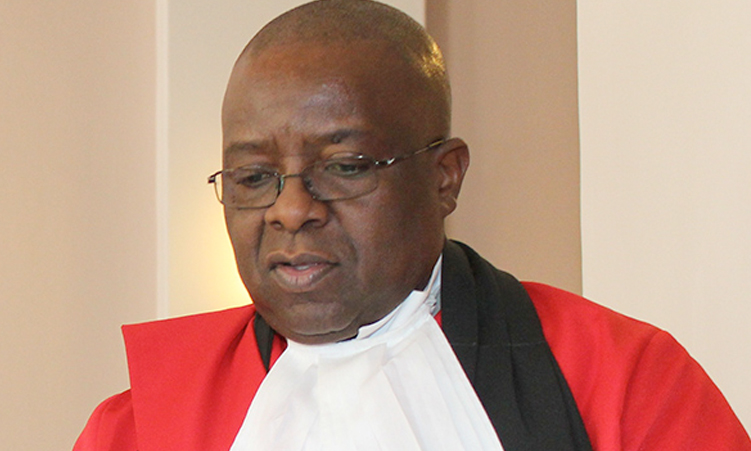
The chairperson of the Boundaries Delimitation and Demarcation Commission, acting judge Petrus Unengu, had proposed seven regional boundary adjustments, 10 new constituencies, and 61 constituency boundary adjustments.
Presidential press secretary Alfredo Hengari this week confirmed that the report is still under review by the Cabinet.
Popular Democratic Movement president McHenry Venaani says it is too late for the report’s recommendations to be implemented for the upcoming elections.
The first delimitation commission was formed in 1991.
The commission undertook the initial task of delineating regional, local authority, and constituency boundaries, leading to the creation of 13 regions.
Thereafter, several delimitation commissions followed, the last being established in 2013.
In 2013, the fourth delimitation commission made a significant impact by transforming the Caprivi into the Zambezi region and dividing the Kavango region into two regions (East and West) – thereby increasing the number of Namibian regions to 14.
Meanwhile, some Kavango East residents have shunned the delayed release of the report.
They argue that their region is the only one with fewer than six constituencies, despite the second-largest town (Rundu) in the country being located in the region.
The residents suggest more regions should be added and clarity should be provided on the demarcation of constituencies amid the debate over whether the airport is situated at Rundu or Nkurenkuru.
Kayengona and Shambyu are among the suggested constituencies, as well as Omega.
Residents say funds are largely dependent on the number of constituencies in a region, hence the region is regarded as the poorest.
Five months before the upcoming elections they doubt whether elections should take place before the demarcation report is released.