







As Namibia works towards the goals of Vision 2030, many secondary schools continue to face a fundamental barrier to learning: unreliable electricity supply.
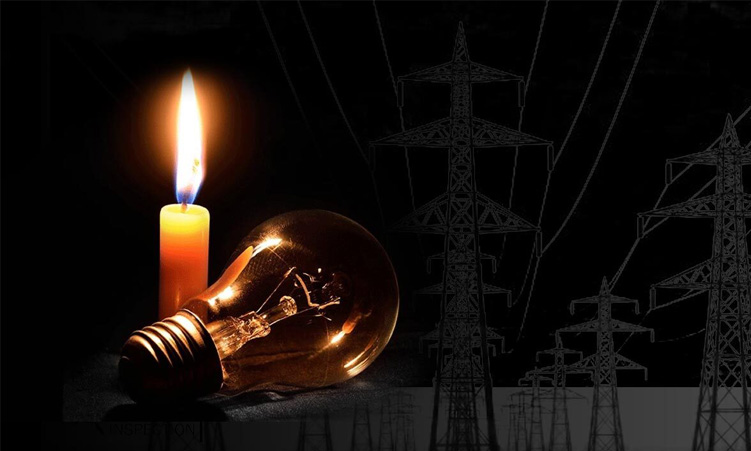
Frequent outages, particularly during evening study sessions threaten pupil performance and wellbeing countrywide. In most government secondary schools, evening study is non-negotiable.
It is the time when Grade 10 and Grade 12 pupils consolidate notes, complete assignments, and prepare for national examinations.
However, for dozens of schools in both rural and peri-urban areas, the lights regularly go out during study sessions.
Electricity will go off, and pupils have to go to their hostel rooms in darkness. You cannot read, you cannot write, and you cannot concentrate.
We lose two hours of study time which has a big effect on our academic performance.
Without light, learners cannot access textbooks or complete assignments, and sometimes teachers opt for evening studies or make use of digital learning tools.
Dark hostels and classrooms also create security concerns for pupils and staff. Supervised study becomes difficult to manage, leading to noise, restlessness and reduced discipline.
For boarding schools, power cuts also have a direct impact on meals. When electricity is cut, the kitchen staff cannot cook on electric stoves, and some schools don’t have gas stoves.
Pupils sometimes go an entire day without a hot meal. You cannot serve learners a slice of bread and Oros (omandje) and expect them to concentrate in class.
This further has health effects.
I am calling on the education ministry to treat electricity as a basic learning resource, not a luxury. Namibia cannot expect world-class results from school pupils who study with Chinashop lights, which is often a luxury as many learners can’t afford to buy them or regularly replace the batteries.
The education ministry should conduct an urgent audit of affected secondary schools, and prioritise alternative energy solutions.
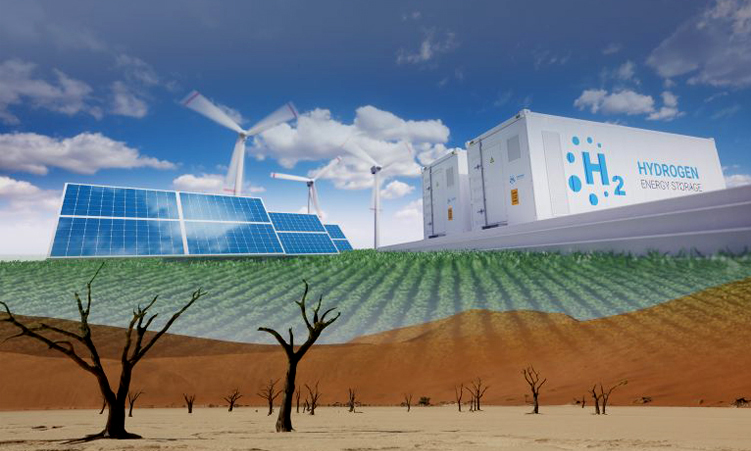
Proposed interventions include the installation of school generators for immediate relief during outages or the long-term rollout of solar power systems.
Solar power is particularly viable for Namibia’s climate and would provide sustainable electricity for evening study, hostels and kitchens, without ongoing fuel costs.
Education is the foundation of national development. Yet, in too many secondary schools, that foundation is being weakened every time the power goes out.
To protect the academic future of Namibian learners, the education ministry must act on this issue. Reliable electricity, whether through generators or solar systems, is not an extra. It is essential.
– Jairus Haufiku