





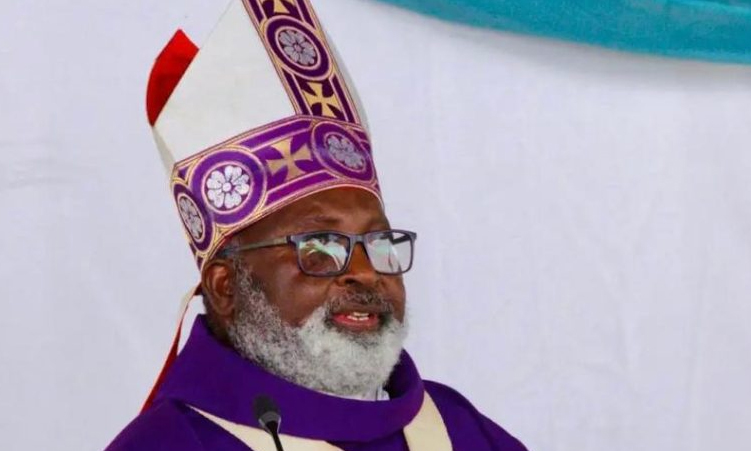
Two weeks ago, Namibian Catholic bishops expressed alarm over a growing mental health crisis, describing it as “often-hidden suffering” that reaches into families countrywide.
In a pastoral letter signed by archbishop Liborius Nashenda, they warned that stigma is making the situation worse, stopping many people from seeking the help they need.
The bishops quoted pope John Paul II, who said that depression is not a sin nor a sign of weakness. He said it was an illness and like any illness called for understanding and treatment. In Namibia, treatment that keeps psychiatric patients stable has all but become a luxury.
This week, The Namibian reported that mental health patients at the Oshakati, Engela and Okahandja state hospitals do not have medication.
This picture appears to be the same in other parts of the country where patients are forced to return home without medication or to buy medication from private pharmacies.
During men’s mental health month, Namibia’s healthcare system is showing signs of severe strain.
While top government officials make media-friendly visits to public health facilities, expressing shock at empty shelves, a quiet catastrophe is unfolding across our communities.
For those battling mental health, the government’s failure to deliver essential medication could have devastating consequences.
Medical doctor Cornelia Ndifon has warned that interruptions in treatment can undo years of progress and, in some cases, significantly worsen a patient’s condition.
“If a person was already on treatment and made progress, say they’ve been on treatment for years and then abruptly stop the treatment, it can lead to eroding previous progress made and it can compromise future health going forward,” she said.
She said it could also aggravate anxiety symptoms, while some patients could experience escalated aggression, posing a risk to themselves or others.
“Anger may escalate to a terribly aggressive outburst with the potential of harm to oneself or other people,” she said.
And it can only get worse if the citizenry is unable to access antipsychotics, mood stabilisers, and antidepressants. Communities run the risk of degenerating into violent neighbourhoods.
To avert further tragedy, the government should immediately abandon its performative reaching of targets or goals, and focus on implementing decisive structural interventions.
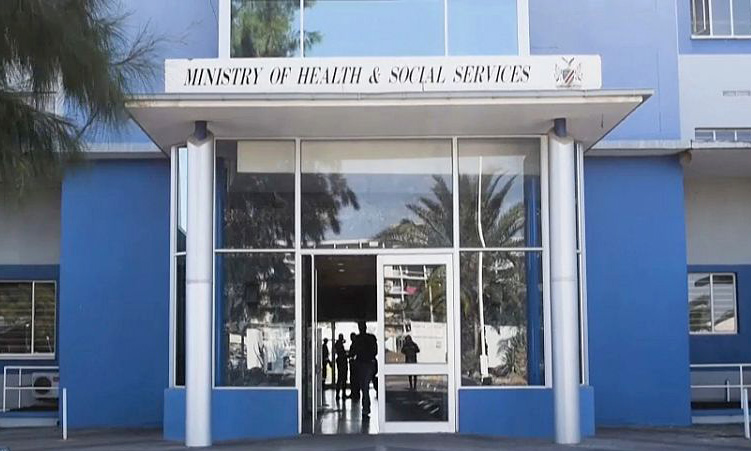
First, the Ministry of Health and Social Services should remedy the medicine shortage issue without delay.
Second, the Ministry of Finance must immediately reinstate comprehensive coverage for mental health pharmaceuticals under both the Low and High Psemas options, ensuring mental health care is legally treated with the exact same clinical urgency as chronic physical conditions.
The newly tabled mental health bill of 2025, tabled by health minister Esperance Luvindao to repeal the archaic, colonial-era 1973 Mental Health Act, offers a structural blueprint to curb this rampant neglect.
By legally shifting the state away from an asylum mentality of control and confinement toward a rights-based, patient-centred approach, the bill can actively help protect civil servants and the poorest Namibians.
It mandates the decentralisation of treatment to community and primary health clinics, ensuring that the rural poor are no longer left undiagnosed or forced to rely entirely on over-burdened central institutions like the Windhoek Central Hospital Mental Health Centre.
Finally, the state must aggressively fund community-level mobile mental health clinics, as envisioned by the new legislative framework, equipping them to distribute emergency multi-month medicine supplies directly to rural and underserved constituencies.
Our leaders cannot continue to feign ignorance about a crisis they actively authored through bureaucratic negligence and exclusionary medical aid policies.
If the Namibian government continues to treat mental healthcare as an optional extra rather than a fundamental human right, the consequences will change our societal fabric.