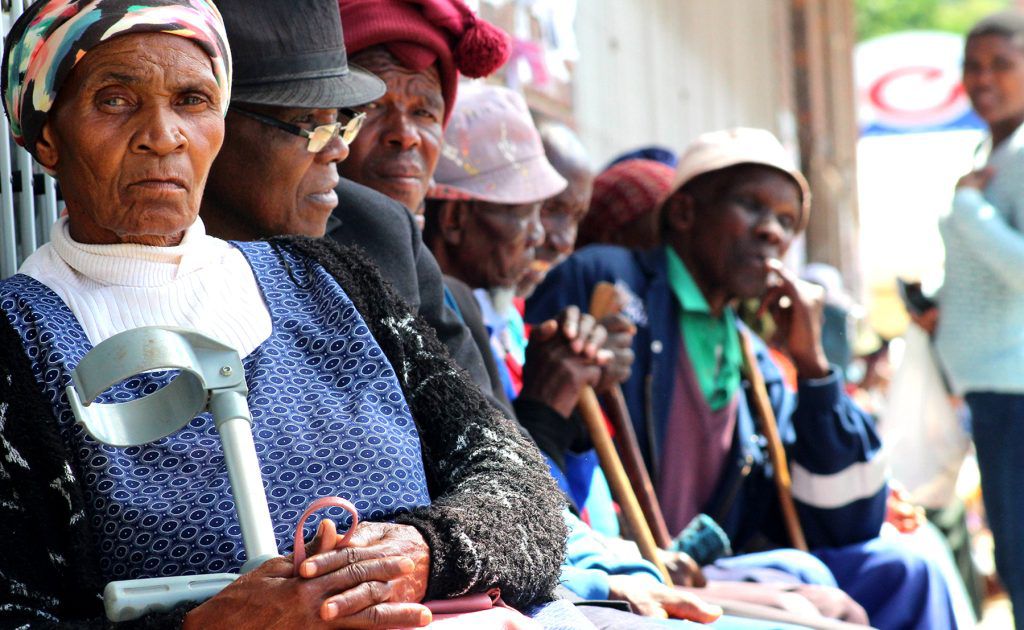




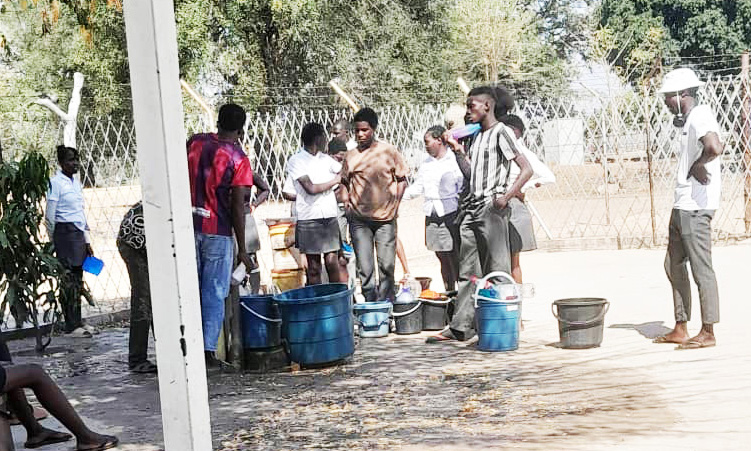
Villagers at Sesheke in the Zambezi region face worsening water shortages as broken boreholes, poverty, and electricity costs limit their access to safe drinking water.
“We walk long distances and queue up for hours on end to get just a bit of water, because we don’t want to die of thirst,” villager Joseph Maezi says.
The villagers say they cannot afford to buy enough electricity units per month to pump water from the only functioning community borehole.
Two community boreholes stopped functioning years ago, leaving the village in the Kongola constituency faced with daily water challenges.
The villagers are therefore left relying on an electricity borehole, the conservancy office, or the clinic’s boreholes.
Maezi says families are pulling together to buy units, but often manage to raise only N$200.
“We are a lot in the village, but poverty is too high. Therefore, not everyone can afford to donate towards electricity. The 74 electricity units we get only pump 10 000 litres twice in a month if we’re lucky.
“Each household then gets two 25 litres of water out of that. That water does not even last a day. It’s really not sustainable,” he says.
Maezi says they now rely either on the clinic or conservancy boreholes, which require walking long distances to access.
He says when the school’s borehole malfunctions, pupils themselves flock to the clinic to quench their thirst.
“Our water challenges have been ongoing for years, and they worsen every year. The population is increasing every year, but the water sources decrease as they are not maintained or dry up due to drought.”
He says the last time the villagers complained to rural water supply officials, they were told to arrange transport themselves to get solar panels from Katima Mulilo.
“Where would we get the money to organise transportation? The government really needs to equip the rural water supply directorate efficiently, because we cannot continue to suffer like this. We opened job cards for these broken boreholes years ago, but they’re not fixed,” Maezi says. Ministry of Agriculture, Fisheries, Water, and Land Reform spokesperson Simon Nghipandulwa yesterday said the electricity borehole at the village was installed as a temporary solution while they are making arrangements to install the solar panels the ministry has procured.
DELAYED PROCESS
He said the process is delayed due to staff and fuel shortages, which affects transportation.
“It, however, remains a priority. Furthermore, the regional rural water supply directorate has planned to drill nine new boreholes in the 2025/26 financial year. In addition, 21 installations of previously drilled boreholes will be completed, and two earth dams will be excavated,” he said. Nghipandulwa said service delivery in the region is constrained by a limited budget for transport and materials, affecting the timely response to community requests and reports.
He said the regional vehicle fleet is old and spends more time in garages than in operation, leading to high maintenance costs.
“Replacing the fleet would be a more efficient and cost-effective solution, improving service delivery and reducing operational delays,” he said.