



THE absence of tarred roads in remote settlements is hindering the prospects of attracting investors and in the process delaying development of these areas.
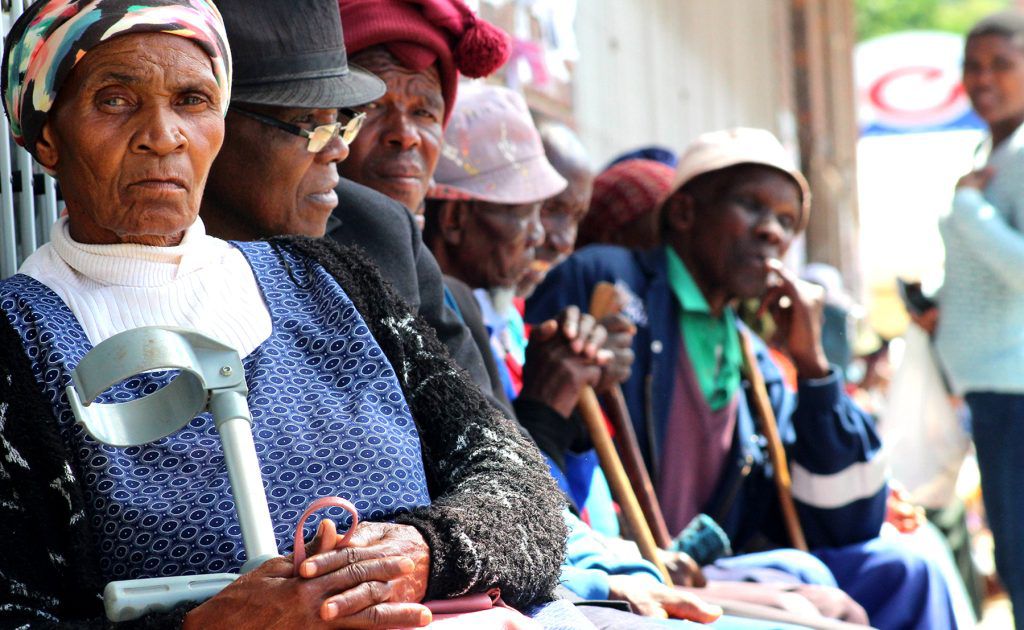
One such settlement is Schlip, a small township located in the Rehoboth rural constituency in the Hardap region with a population of about 1 500 people. It is considered an ‘island’ surrounded by private land.
“We in the Rehoboth and Mariental rural constituencies are in dire need of good road infrastructure which will attract investors. There are no tarred roads in our constituencies.
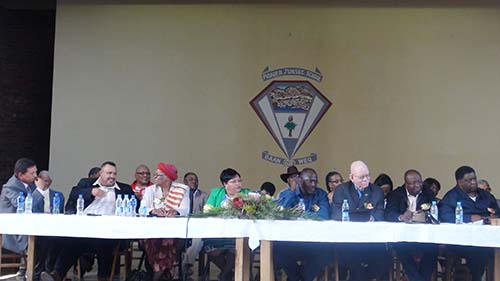
“The laying of tarred roads would help us win the war on poverty in our constituencies,” Rehoboth rural constituency councillor Riaan McNab said arguing that the construction of tarred roads would also boost the tourism sector and investors would be able to transport goods and services safely. Speaking during a recent familiarisation visit by deputy prime minister Netumbo Nandi-Ndaitwah, McNab described the visit as a sign of prosperity.
“We have hope that the social economic conditions of our people will change for the better,” he said.
Addressing the gathering, Nandi-Ndaitwah said although the purpose of the visit was to thank the people for the manner in which they conducted themselves during the 2014 Presidential and National Assembly elections, the hard work had started. She added that President Hage Geingob had made it clear that poverty eradication requires commitment and unity of purpose.
“The international community has been using the term ‘poverty reduction’ which in my opinion does not tell me anything, we cannot say poverty must be reduced, no one should remain in poverty, we can eradicate poverty – each and every one of us has a role to play. We will overcome poverty if we all believe in everything we do towards eradicating poverty,” she said.
Nandi-Ndaitwah added that the Ministry of Poverty Eradication was created to oversee all efforts of government and other stakeholders, saying poverty cannot be eradicated by one ministry alone.
“No one is excluded in the fight for poverty eradication, the message of the President is for each and every one of us to play a role in poverty eradication,” she emphasised.
On food security, Nandi-Ndaitwah said the last SADC meeting proposed that at least 25% of Africa’s natural resources should not leave the continent unprocessed, adding that the continent is a net exporter of raw materials.
“Climate change is threatening agricultural production in many countries, Namibia included. About 500 000 people in the country will need to be fed because of the current drought,” she said.
The deputy prime minister added that because of poor rainfall this year, the green schemes in the country could not produce sufficient food to feed those affected by drought.
According to the deputy PM, the fight to eradicate poverty requires alternative ways of putting bread on the table. One such example is boosting the tourism industry, which she says is not easy to maintain. She urged the community to think out of the box and pay special attention to service delivery if they want to boost the economy of their area. Nandi-Ndaitwah was accompanied by Hardap governor Esme Isaack, lands minister Utoni Nujoma and his deputy Bernadus Swartbooi, poverty eradication minister Zephania Kameeta, information minister Tjekero Tweya, mines minister Obeth Kandjoze, deputy sports minister Agnes Tjongarero as well as representatives from the ministries of health and of education.