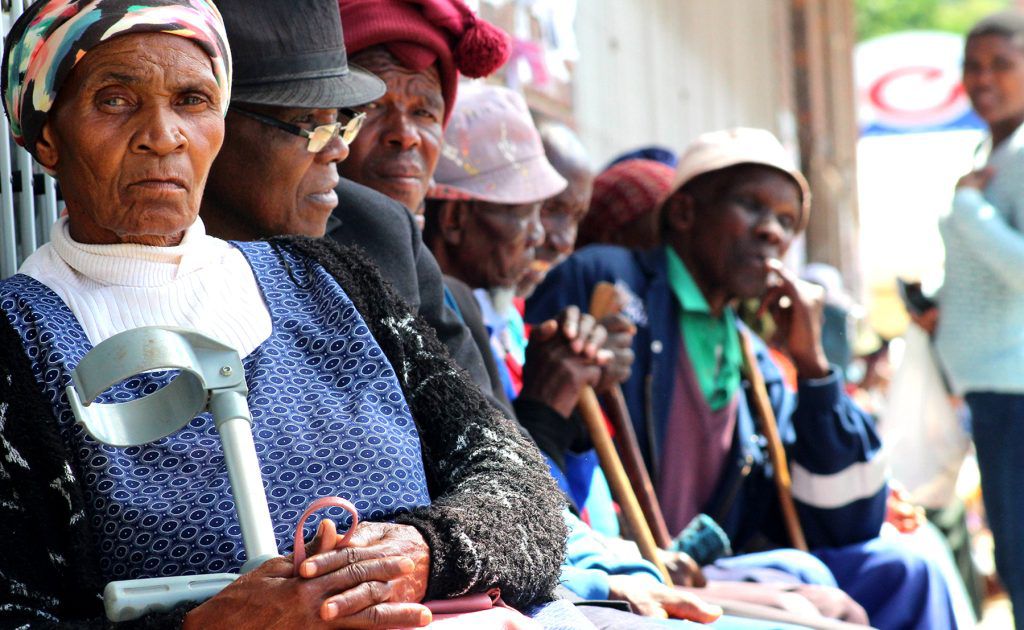





THE tiny village of Omitara bears a heavy responsibility – that of convincing a sceptic government, and a curious nation, that providing a monthly cash grant to citizens in an effort to tackle poverty is not a waste of resources.
The village east of Windhoek in the Omaheke Region houses about 1 200 people. With the exception of a few primary school teachers, shebeen owners and Police officers all of them are unemployed.Omitara is a village that depends largely on the pensions of the estimated 100 senior citizens who live there, and now on the recently introduced Basic Income Grant (BIG).On Friday, the BIG Coalition is expected to return to Omitara, where it will start its second round of payouts to more than 900 registered beneficiaries.When The Namibian last week visited the village to establish what, if any, short-term effects the grant has had after the first payouts in January, talk in the community centred on that morning’s proposed relocation of the post office.A bad idea, according to Hardy Koehler, who three months ago took over the Omitara Shop and Bottle Store in the older part of the village, a kilometre or two from the Otjivero settlement where most of the village’s inhabitants live.In the absence of a bank, most villagers have post office savings accounts, and Koehler is concerned that he will lose business to the reported eight – more like 16, he says – shebeens operating in the settlement.”It’s expensive for people to come into town.Right now they have to because the post office is here and they have to collect their pension money.But then most of them use this opportunity (in town) to buy food and stock up for the month.If you take the post office to the settlement, people would rather just take that money and spend it at the shebeens,” he says.QUESTIONS A case in point is January’s BIG payout, Koehler says, which had been done in the Otjivero settlement.”I wish I could show you what it looked like here that weekend.The Police cells were filled.It was chaos,” he said.”As the only shop in town, I thought I would have perhaps seen about 30 to 40 per cent [of the total amount distributed].I ended up with maybe four per cent,” he said, implying that most of the money went to the shebeens.But retired school principal and director of the BIG committee at the town, Stephen Eigowab, has another explanation.It is true, Eigowab says, that the community experienced some trouble with alcohol-fuelled youths over the last payout week.But it was not Omitara’s youngsters who were to blame, he insists.”We found that all of a sudden you have people from Windhoek, people from Gobabis, from Witvlei, coming here to visit,” the elderly man says.These people from outside, he contests, are the ones who ended up behind bars and in trouble with the law.Eigowab goes further to say that the weekend in question may have introduced a new priority for the community to guard against – that of drug merchants trying to establish a new market.”We identified three cars that weekend that came in here and were going around with dagga.Luckily, people here don’t just start communicating with suspicious people, and they were quickly reported to the [Police] station commander,” he said.”While on that, I would like to ask you to write in your story that we appeal to people from Windhoek and from other towns to not come here and try to exploit the last bit of money we get.You’re from town where the money flows freely,” Eigowab said.Although Police at the village said they were not authorised to provide statistics on crime there, the Police spokesperson for the Omaheke Region, Michael Matengu, said payout week definitely did show an increase in unruly behaviour.”But it’s mostly these cases that people open and withdraw the next day.They locked up four men for domestic violence.The rest were just common assault charges,” the Gobabis-based officer said.”For that place it was a lot.Omitara is usually very quiet,” he said.’WE’RE AWARE’ Eigowab says the community is quite aware that the eyes of the nation are on them, and they take very seriously their responsibility to make sure the pilot BIG project succeeds.His committee’s duties include regular calls on shebeens, reporting any cases of misuse of grant money, and paying house visits, along with the Police and local leadership figures, to residents thought to be misusing the money.They also plan to get representatives from banking institutions to visit the town on occasion to educate residents on methods of saving and money management.All residents spoken to last week were confident that the grant would indeed prove effective, and many have already started putting in place means to contribute to its success.Matilda !Ganes and Herlina Smith are two such residents.The two have since 2005 been running a pre-primary school from a shack, and they say money is always a problem – whether in their plans to expand, or just to get enough food for the children they take care of.”We’ve now been able to open an account at the post office for the kindergarten,” they said, where they save some of the BIG money they get for their own children.Others have started small ventures from home, like selling flavoured ice to the children in the settlement, or driving fellow residents to town in cars or donkey-carts.Eigowab for one has started a small tuck-shop behind his house, from where he caters for basic food needs and tries to counter the idea that only alcohol is sold at the settlement.Many of the shebeens also stock basic foodstuffs such as mealie meal, oil and rice, said Adam Tjiveta, a shebeen owner and the person to whose property the post office will apparently move.Tjiveta says he sees the possible relocation of the post office to the settlement as a victory for the people there, who would no longer have to pay N$10 to N$30 for a lift into town.Hardy, however, maintains that the N$10 to N$30 spent on transport is preferable to people spending all their money on the limited supplies offered in the settlement.”I’ve told the BIG people that if they can pay out their grants in town, I could even close the bottle store for that day.Just to make sure that the people get to buy some proper food,” he said.It remains to be seen what will happen at Omitara, and what role Hardy’s business and the shebeens will play in the village’s evolution.With the exception of a few primary school teachers, shebeen owners and Police officers all of them are unemployed.Omitara is a village that depends largely on the pensions of the estimated 100 senior citizens who live there, and now on the recently introduced Basic Income Grant (BIG). On Friday, the BIG Coalition is expected to return to Omitara, where it will start its second round of payouts to more than 900 registered beneficiaries.When The Namibian last week visited the village to establish what, if any, short-term effects the grant has had after the first payouts in January, talk in the community centred on that morning’s proposed relocation of the post office.A bad idea, according to Hardy Koehler, who three months ago took over the Omitara Shop and Bottle Store in the older part of the village, a kilometre or two from the Otjivero settlement where most of the village’s inhabitants live.In the absence of a bank, most villagers have post office savings accounts, and Koehler is concerned that he will lose business to the reported eight – more like 16, he says – shebeens operating in the settlement.”It’s expensive for people to come into town.Right now they have to because the post office is here and they have to collect their pension money.But then most of them use this opportunity (in town) to buy food and stock up for the month.If you take the post office to the settlement, people would rather just take that money and spend it at the shebeens,” he says.QUESTIONS A case in point is January’s BIG payout, Koehler says, which had been done in the Otjivero settlement.”I wish I could show you what it looked like here that weekend.The Police cells were filled.It was chaos,” he said.”As the only shop in town, I thought I would have perhaps seen about 30 to 40 per cent [of the total amount distributed].I ended up with maybe four per cent,” he said, implying that most of the money went to the shebeens.But retired school principal and director of the BIG committee at the town, Stephen Eigowab, has another explanation.It is true, Eigowab says, that the community experienced some trouble with alcohol-fuelled youths over the last payout week.But it was not Omitara’s youngsters who were to blame, he insists.”We found that all of a sudden you have people from Windhoek, people from Gobabis, from Witvlei, coming here to visit,” the elderly man says.These people from outside, he contests, are the ones who ended up behind bars and in trouble with the law.Eigowab goes further to say that the weekend in question may have introduced a new priority for the community to guard against – that of drug merchants trying to establish a new market.”We identified three cars that weekend that came in here and were going around with dagga.Luckily, people here don’t just start communicating with suspicious people, and they were quickly reported to the [Police] station commander,” he said.”While on that, I would like to ask you to write in your story that we appeal to people from Windhoek and from other towns to not come here and try to exploit the last bit of money we get.You’re from town where the money flows freely,” Eigowab said.Although Police at the village said they were not authorised to provide statistics on crime there, the Police spokesperson for the Omaheke Region, Michael Matengu, said payout week definitely did show an increase in unruly behaviour.”But it’s mostly these cases that people open and withdraw the next day.They locked up four men for domestic violence.The rest were just common assault charges,” the Gobabis-based officer said.”For that place it was a lot.Omitara is usually very quiet,” he said. ‘WE’RE AWARE’ Eigowab says the community is quite aware that the eyes of the nation are on them, and they take very seriously their responsibility to make sure the pilot BIG project succeeds.His committee’s duties include regular calls on shebeens, reporting any cases of misuse of grant money, and paying house visits, along with the Police and local leadership figures, to residents thought to be misusing the money.They also plan to get representatives from banking institutions to visit the town on occasion to educate residents on methods of saving and money management.All residents spoken to last week were confident that the grant would indeed prove effective, and many have already started putting in place means to contribute to its success.Matilda !Ganes and Herlina Smith are two such residents.The two have since 2005 been running a pre-primary school from a shack, and they say money is always a problem – whether in their plans to expand, or just to get enough food for the children they take care of.”We’ve now been able to open an account at the post office for the kindergarten,” they said, where they save some of the BIG money they get for their own children.Others have started small ventures from home, like selling flavoured ice to the children in the settlement, or driving fellow residents to town in cars or donkey-carts. Eigowab for one has started a small tuck-shop behind his house, from where he caters for basic food needs and tries to counter the idea that only alcohol is sold at the settlement.Many of the shebeens also stock basic foodstuffs such as mealie meal, oil and rice, said Adam Tjiveta, a shebeen owner and the person to whose property the post office will apparently move.Tjiveta says he sees the possible relocation of the post office to the settlement as a victory for the people there, who would no longer have to pay N$10 to N$30 for a lift into town.Hardy, however, maintains that the N$10 to N$30 spent on transport is preferable to people spending all their money on the limited supplies offered in the settlement.”I’ve told the BIG people that if they can pay out their grants in town, I could even close the bottle store for that day.Just to make sure that the people get to buy some proper food,” he said.It remains to be seen what will happen at Omitara, and what role Hardy’s business and the shebeens will play in the village’s evolution.