



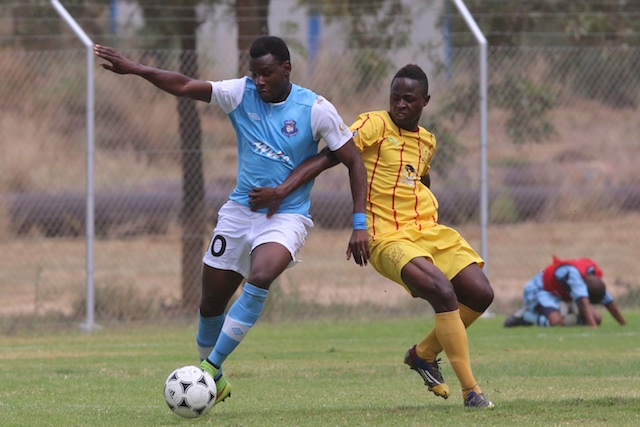
THE Namibia Premier League is drafting a proposal to clubs that will allow them to revert to playing only one fixture per weekend next season, according to league administrator Tovey Hoëbeb.
At present, teams play two games in 24 hours, a situation that has received widespread condemnation since the start of the 2014/15 campaign.
Several coaches, players and pundits have continuously voiced displeasure at the format, which they believe to have reversed the country’s football development by placing emphasis on quantity at the expense of quality.
Coaches have complained that it is unrealistic to expect a player to deliver high level performances in two matches within such a short time, given that the athletes will not have had adequate time to recuperate.
The poor quality of football produced by the tired players has in turn ignited already sceptical supporters’ resentment towards the domestic game, with many games being played in empty stadiums despite the many double-headers on offer.
“I’m busy compiling something to present to the clubs before the end of the season. We have realised that this system is not fair on the players,” Hoëbeb said.
“For example, the players of a club from Rundu will struggle to give their best because they spend the Friday travelling a long distance to Windhoek and then they play the next morning against a team that has not travelled more than five kilometres.”
Despite seeing the need for change, Hoëbeb refused to acknowledge that the NPL was at fault for the much maligned playing format, saying the clubs had the opportunity to reject it, but opted not to.
Playing twice in two days is by no means a foreign concept to Namibian football, which employed the system well past the turn of the century until their self proclaimed upgrade to a semi-professional status.
Having dropped the format for about a decade, the NPL surprisingly re-introduced the taxing format this season, claiming it would have financial benefits to its members.
“The idea was to help clubs who were struggling financially by cutting back on travelling and accommodation costs. Especially now that we have 16 teams, it was going to be difficult for teams to cope,” Hoëbeb said.