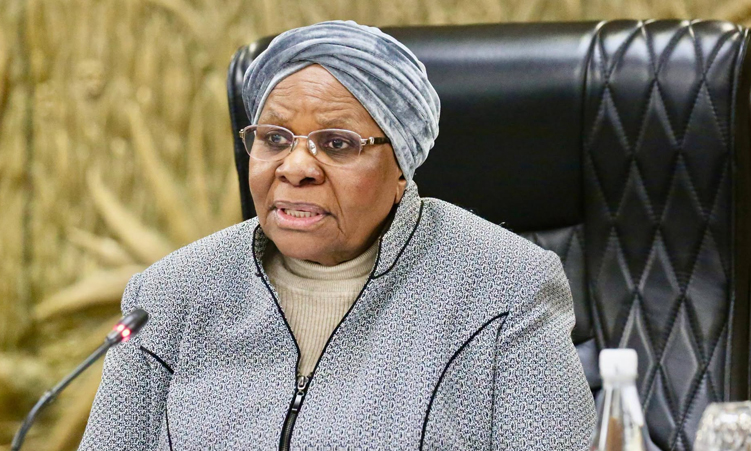








PRESIDENT Netumbo Nandi-Ndaitwah has called for faster and more accessible justice, saying some minor disputes should be resolved through alternative adjudication methods instead of allowing cases to remain in court for years.
Speaking at the state of justice in Namibia conference yesterday, a three-day dialogue held under the theme ‘Strengthening Justice in Namibia: Building an Efficient, Accessible and Trusted Justice Sector’, Nandi-Ndaitwah said delays in the justice system remain a concern raised by members of the public.
“I am sitting in that office where you have put me and some of the complaints I am receiving are people who feel justice is not delivered to them on time,” she says.
She says she had learnt that there are now different methods of dealing with cases to speed up the process, including bringing parties together to resolve misunderstandings before they reach court.
“Instead of going to courts, there is now a question of coming together just to understand small differences and then at a round table a case that can be in court for years can be resolved,” she says.
Nandi-Ndaitwah says some disputes could stem from simple misunderstandings which, when properly explained in the presence of responsible institutions, could result in an amicable solution between the accused and the victim.
The president says the complaints she receives are often referred to the minister responsible for justice, with a request for feedback on what is being done to address the matter.
She says justice should not only be measured through court processes or constitutional provisions, but by how ordinary Namibians experience the justice system.
Nandi-Ndaitwah says Namibia had maintained an independent judiciary, legislature and executive, which she described as important gains that must be protected.
She also warns that corruption has no place in the country’s justice system, saying integrity and accountability must remain non-negotiable.
The president urges the conference to produce tangible results rather than mere documents.
She says the three-day dialogue should establish a common direction for the justice sector, strengthen cooperation among institutions and lead to measurable improvements in justice delivery.
“Our task therefore, is to ensure that this promise is experienced not only in law but in the daily lives of our people,” she says.
“Justice is done when a person is heard, when a right is protected, when a dispute is resolved fairly and when the law treats the powerful and the powerless alike,” she says.
The conference brings together institutions and stakeholders in the justice sector to examine the performance of the system and discuss reforms aimed at improving access, efficiency, accountability and public trust.
Justice and labour relations minister Fillemon Immanuel yesterday said justice was a constitutional promise and those entrusted with the responsibility must ensure that promise is fulfilled.
He says reforms must be prioritised, sequenced and properly costed, particularly where delays affect access to justice.
“Access to justice must never be a privilege of proximity, or about those that have money and are able to afford,” Immanuel says.
He asks whether legal aid is sufficiently assisting people and whether the government is holding institutions accountable when laws were amended but produced little or no practical change years later.
Immanuel also calls for performance indicators across the justice sector, while stressing that institutional independence must be protected.