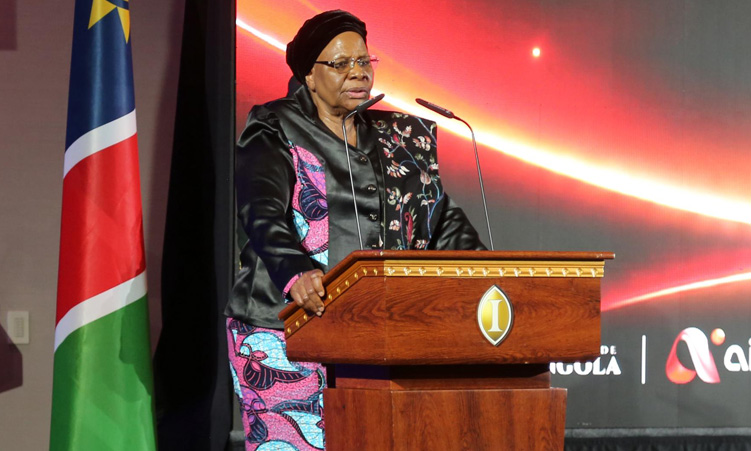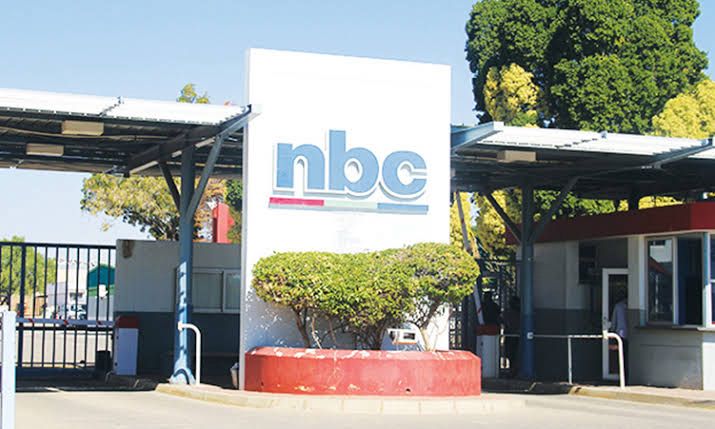
The Namibian Broadcasting Corporation (NBC) turned 35 years on Friday, celebrating 35 years of information, education and entertainment.
The corporation’s first director general, Nahum Gorrelick, says there were challenges about how they would run and approach things.
“NBC was nothing like it is now. It was an interesting and exciting time from the broadcasting corporation’s journey since its inception,” he says.
Gorrelick says radio has been a key channel since.
The corporation’s third director general, Ben Mulongeni, recalls the struggles to keep the company relevant.
He says the country has faced challenges of technology in terms of cameras, modernisation and digitalisation.
“To make it relevant, and sustain it, we thought of a commercial channel because the public broadcaster is a service provider, and not one that could make money,” he says.
Another challenge, he says, was acquiring relevant programmes that would attract the market, and that not all content was allowed to be broadcast.
“We tried to introduce African movies, and we scored because NBC was the only one airing African movies before everyone started,” he says.
Media ombudsman Sadrag Shihomeka says there is a great transformation in terms of media freedom from which the corporation was established.
He says media freedom was not free as it is now.
“NBC has adhered to the ethics, and have not had complaints coming from NBC,” he says.
He adds that the corporation presents itself professionally and is leading by example, adding that society looks at it as a role model.
“I hope the other media houses are following suit,” he says.
Omurari FM former executive producer and current Okakarara constituency councillor Kapika Tjaveru urges radio professionals to remain focused, transparent and visionary, adding that radio is the voice of the people and it will remain as such.
Namibia’s second minister of information and broadcasting, Ben Amathila, says the two outstanding things during his tenure as minister were the transition from a Swapo-led information service to a national information service.
He says the transition was critical bridging the gap for harmony, education and entertainment.
“That was a very critical time. Some accepted the change, while some had to learn to accept it. The government had to set the pace to avoid future conflict in our new country,” he says.
He says media independence was critical to Swapo.
Amathila saya NBC was used to bridge differences and to educate people to accept change.
“For instance, the president would come with sirens on, but to the nation it was something new. That is why NBC came in to educate people to accept the new reality,” Amathila says.
The national broadcasting corporation was established in 1991. It currently has 11 radio stations.