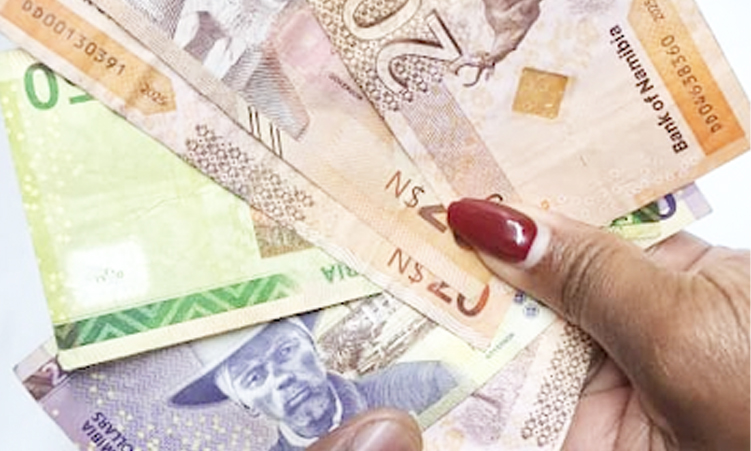





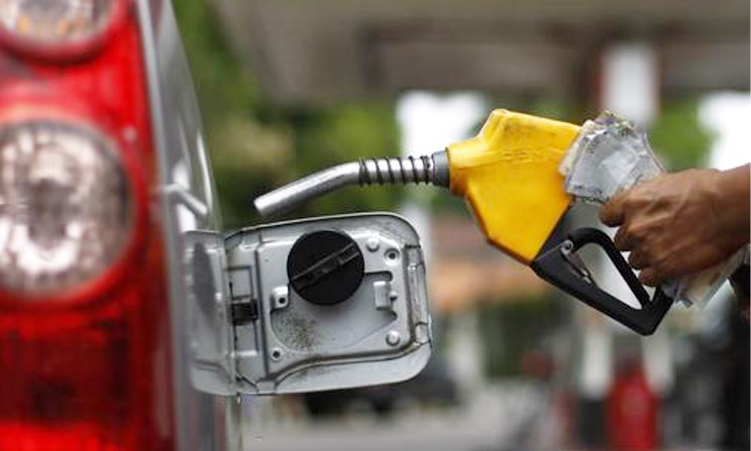
The National Energy Fund has nearly run dry after the government spent N$1.3 billion in two months to shield motorists from rising fuel prices.
It currently has between N$200 million and N$300 million remaining.
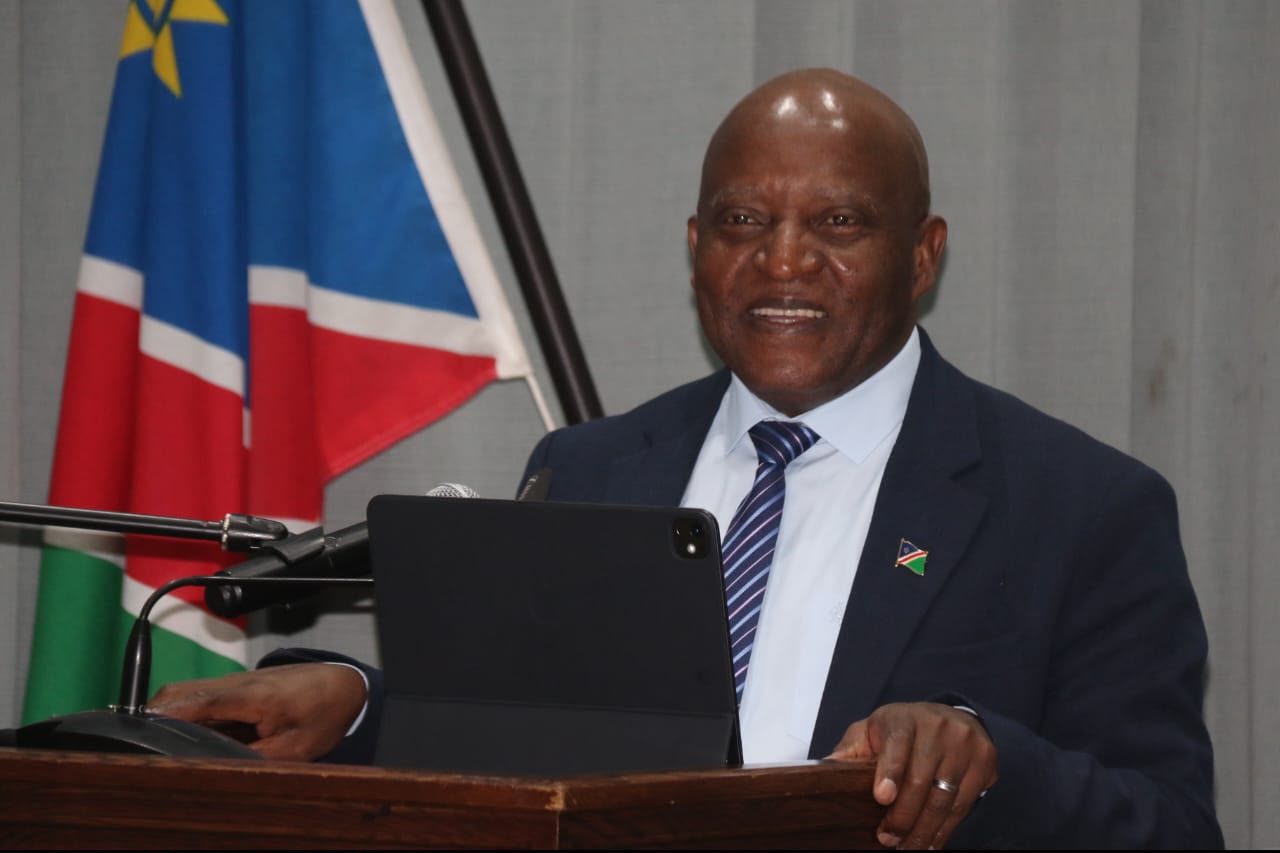
Minister of industry, mines and energy Modestus Amutse says the fund’s balance has dropped sharply because the government stepped in to keep fuel prices lower than they would have been.
“What is left in the National Energy Fund is much less than one could think, but we are talking about the range of N$200 million to N$300 million,” he told The Namibian yesterday.
The heavy spending started in April when international fuel costs increased due to the United States escalating the conflict in the Middle East.
The government paid fuel suppliers N$805 million in April alone, and another N$490 million in May.
The payments also allowed the government to keep fuel prices unchanged during May.
The Fuel and Franchise Association of Namibia (Fafa) says the government’s temporary fuel supply arrangement with global oil company Vitol should help rebuild the fund rather than put it under more financial pressure.
“If the argument is accurate, why did the government go this route to procure fuel through Vitol for a period of three months? That should buffer the energy fund. It should not have a negative impact if it happens as stated,” Fafa chairperson Michael Ludeke said yesterday.
“That is why the government has cushioned the impact to assist the public to be able to afford petroleum products at the pump. If we did not do so, the fuel price at the pump would have been very, very expensive,” Amutse said.
He said fuel wholesalers charged import premiums on top of the basic fuel price, resulting in a significant expenditure of funds.
“If premiums were not added to the basic fuel price, we would have spent less. By removing the premiums, which amount to an average of N$300 million per month, the country will save a lot of money,” he said.
The minister said the premiums were introduced through an agreement between the ministry and fuel wholesalers to cover unexpected costs.
WHOLESALERS TO JOINTLY BUY FUEL
The government introduced a temporary three-month fuel supply arrangement with Vitol that started in June and will run until September.
This is while it prepares a permanent bulk petroleum import coordination system.
Amutse said the temporary arrangement was not introduced because of the outcome of any previous fuel supply model. This arrangement gives the ministry time to introduce a coordinated fuel procurement system under which fuel wholesalers will jointly buy fuel through an agreed-upon process, he said.
“We are busy transitioning to another model of the fuel supply system. The proposal is in line with what the industry wants us to do. We have already consulted on it and we will continue to consult until the implementation stage,” Amutse said.
He said removing the premiums would reduce fuel procurement costs, ease pressure on domestic fuel prices and help rebuild the National Energy Fund.
The minister announced that, starting tomorrow, motorists will pay less at the pump. Petrol will decrease by N$1 per litre, while diesel 50ppm and diesel 10ppm will both fall by N$4 per litre.
The new Walvis Bay pump prices will be N$22.48 per litre for petrol 95, N$24.26 for diesel 50ppm, and N$24.36 for diesel 10ppm.
Prices in the rest of the country will change in line with transport costs. Amuste said lower international oil prices, easing tensions in the Middle East, improved crude oil supplies, lower shipping costs and a stronger Namibia dollar all reduced the cost of importing fuel.
He said calculations showed fuel price over-recoveries of 124.853 cents per litre for petrol, 490.322 cents for diesel 50 ppm, and 496.206 cents for diesel 10 ppm.