NamWater’s cost-saving strategy aimed at incorporating renewable energy has been paused as the utility consults regulators over compliance requirements.
The Namibia Water Corporation says it has halted the initiative, which is intended to cut operational costs by more than 30%, while it re-engages the Electricity Control Board (ECB) to determine the correct legal and procedural path forward.
NamWater has confirmed it is now in discussions with the ECB as it seeks approval to proceed with the project, aimed at reducing its rising electricity bill.
Acting chief of strategy and corporate affairs Irwin Haihambo says early engagement with the regulator has exposed gaps in the approach.
“We started engaging the ECB to understand whether what we are doing contravenes the regulatory framework. It became clear that the approach was somewhat premature,” he says.
“As a result, we have paused the process and are now engaging the ECB to align on how to proceed and what processes need to be followed to ensure compliance with the legal and regulatory framework,” he says.
The delay comes as NamWater faces mounting electricity costs, which account for up to 40% of its annual operating expenses, placing increasing pressure on its finances.
Haihambo says the company is exploring options to generate its own energy in an effort to reduce reliance on external power supply.
“We are not an energy producer, but we are a significant energy consumer. It is therefore in our interest to develop our own energy capacity to reduce the payments we currently make and improve cost efficiency,” he says.
NamWater is targeting savings of between 30% and 40%, although final figures are still being assessed.
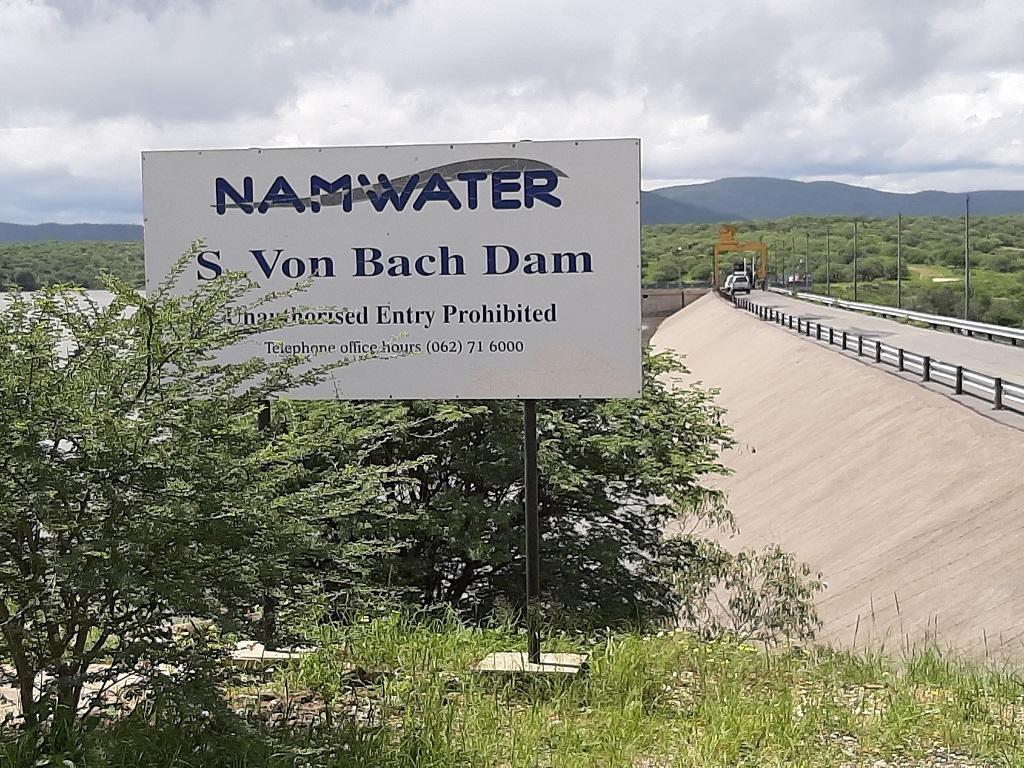
The renewable energy plan forms part of a broader strategy to integrate solar power into its operations. The utility has already initiated procurement processes, inviting independent power producers to develop solar photovoltaic plants on its land and dam infrastructure, including a project linked to the Von Bach–Windhoek water supply scheme.
Energy costs for water treatment and pumping exceeded N$363 million in 2021, with current electricity demand estimated at around 18 megawatts per hour. Demand is expected to double as new infrastructure projects come on stream.
Under its strategic plan for 2022 to 2034, NamWater aims for solar photovoltaic systems to supply between 30% and 70% of its energy needs across selected schemes, as it seeks to lower operating costs and improve energy security.
The delay emphasises the regulatory hurdles facing state-owned enterprises as they move to secure independent energy sources amid rising power costs.