







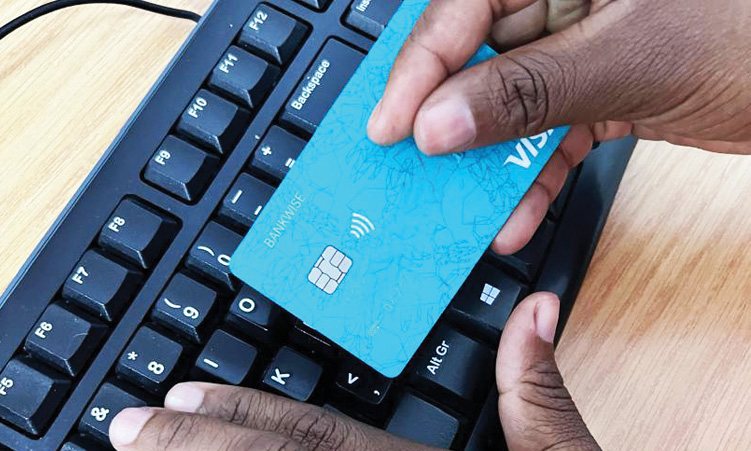
Namibians have lost more than N$210 million to fraudsters over the past 10 years through bank-related and SIM card scams.
Data from the Bank of Namibia shows that the biggest losses came from card fraud (N$90 million), followed by EFT fraud (N$73 million), e-money fraud (N$37 million) and cheque fraud (N$10 million).
The Namibian Police claim to have arrested 55% of suspects that scam people by means of phone calls.
National police spokesperson deputy commissioner Kauna Shikwambi says the police do not have exact statistics for the number of cases reported.
The scale of cash fraud is not recorded, as the police do not consolidate such information.
Shikwambi says the commercial crime investigation division has made a breakthrough in combating fraud by collaborating with local banks and financial institutions.
“This partnership has enabled law enforcement to trace and identify individuals involved in fraudulent activities more effectively,” she says, adding that the most widespread offences involve voice phishing.
She calls on victims to report cases so that the police can approach telecommunication companies for information about the scammers. This is because all active SIM cards must be registered.
Mobile Telecommunication Limited (MTC) spokesperson Erasmus Nekundi says the law does not let the company hand out information about callers to the public. This is to safeguard customers’ personal particulars.
However, law enforcement bodies and courts can gain access to consumer information through a lawful procedure.
Nekundi emphasises that to pursue an investigation, the police can make a formal request for a court order. Only then can MTC release information.
Communications Regulatory Authority of Namibia spokesperson Mufaro Nesongano says SIM card registration does not prevent cybercrimes; it merely enhances the ability to investigate them.
In 2022 the authority announced a compulsory SIM card registration for all individuals. Despite this, cybercrime has increased.
The Namibia Cybersecurity Incident Response Team says that between January and June this year, there were over 1.1 million cyberthreats and a similar number for weak spots across the country’s digital systems.
Nesongano says the main threat is cyber-enabled crimes – offences that use telecommunications networks and services and devices, rather than crimes targeting the digital infrastructure itself.
Cybersecurity lecturer Andreas Amukwa says what scammers do is a calculated mix of leaked data, clever guesses, and old-fashioned theft.
He says scammers use a personal approach by greeting victims by name, knowing their home address, mentioning their exact account balance, and wishing them “happy birthday” on the right date.
Amukwa says one way scammers get the personal information of victims is through leaked information and breaches.
Scammers buy “combo lists” for small amounts and cross-reference them with public records to build a full profile. “In Namibia, we’ve seen leaks from banks, internet service providers, and payroll systems. A single breach can include your identification number, phone, address, and sometimes account snapshots. One breach can fuel fraud for a lifetime,” says Amukwa.
Trickery over the phone is another favoured tactic.
Already possessing the victim’s basic information, scammers pretend to be the bank’s fraud department, then fish for the rest.
He adds that there are insider leads, with corrupt staff selling their customers’ information.
“A teller, call-centre agent, or information technology contractor copies a spreadsheet and pockets quick cash. No hack required, just greed.”