



Namibians are spending more at shops, supermarkets and clothing stores, giving the economy a strong boost in the second quarter of 2026.
Household spending rose to N$53.3 billion between April and June, up from N$48 billion in the same period last year, according to the latest figures from the Namibia Statistics Agency (NSA).
That is an increase of N$5.3 billion, or about 11%, in nominal spending.
The more important change can be seen after adjusting for inflation.
In constant 2015 prices, real household consumption increased from N$35.08 billion in the second quarter of 2025 to N$39.16 billion in the second quarter of 2026, helping Namibia’s economy grow by 4.8%.
According to the NSA, the increase is a turnaround from a year earlier, when household consumption declined.
“On the demand side, the private final consumption expenditure registered an increase of 11.6% during the period under review, relative to a decline of 5.9% recorded in the parallel quarter of 2025 as consumption by households rebounded,” says the NSA.
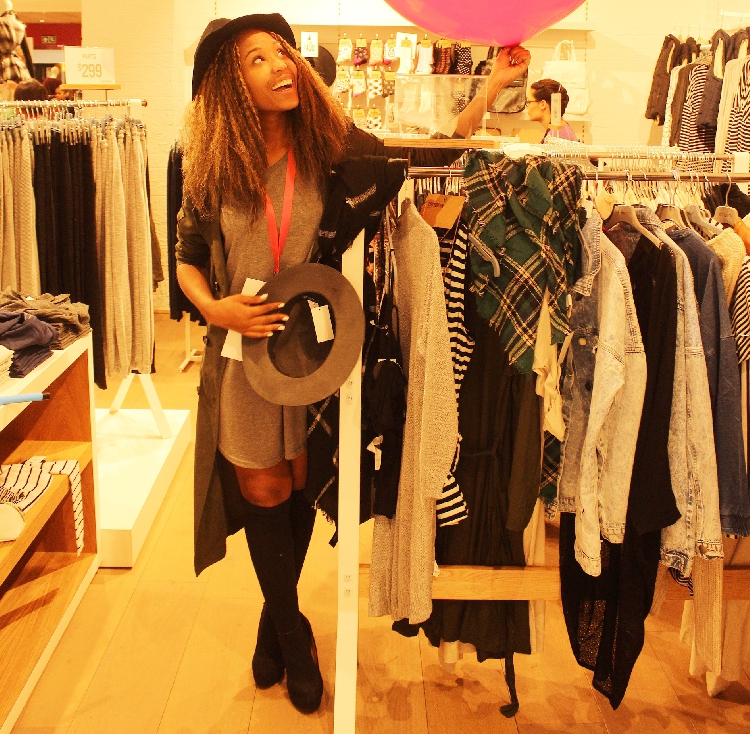
That increase was visible in the retail sector.
Supermarket sales volumes increased by 13.8%, while wholesalers recorded a 4.5% increase and clothing retailers grew by 2%.
The NSA says: “The performance in the sector for the quarter under review is reflected in the increases in the volume of sales recorded for supermarkets.”
Because of this increase in purchases, the wholesale and retail trade sector grew by 9%, compared to 6.5% in the second quarter of 2025.
It was also one of the biggest contributors to overall economic growth, adding 0.9 percentage points to the country’s 4.8% gross domestic product (GDP).
The NSA says wholesale and retail trade, agriculture and forestry and health were among the top contributors to growth, contributing 0.9%, 0.8% and 0.7%, respectively.
Due to retailers selling more, businesses needed to buy more stock.
Therefore, imports of goods and services increased by 12.9% in real terms during the quarter.
The NSA links this performance directly to stronger retail activity, saying “the performance is reflected in the increase in the volume of goods sold by supermarkets and clothing retailers, as well as the rise in imports of finished goods”.
This means more of the money being spent by households was flowing through the wider economy, from consumers to retailers and, in turn, to businesses bringing goods into the country.
Household spending formed the largest part of total consumption during the quarter.
Private consumption accounted for N$53.3 billion, while government consumption added N$13.9 billion, taking total final consumption expenditure to N$67.2 billion.
In real terms, total final consumption increased by 10.4%, reversing a 3.8% contraction recorded a year earlier.
Government consumption increased by 6.6%, due to higher public-sector employment and spending on government operational goods and services.
The stronger consumer activity came as the overall economy grew.
Namibia’s economy reached N$70.6 billion in the second quarter, up from N$65.3 billion in the same quarter of 2025.
The NSA says: “Economic activities accelerated in the second quarter of 2026, recording a growth of 4.8% year-on-year in real GDP, when compared to 1.7% registered in the same period of 2025.”