





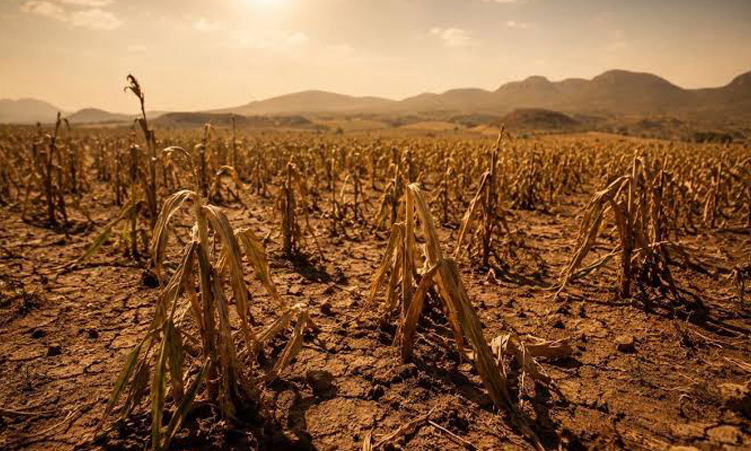
Namibia’s health system could come under increased pressure if El Niño triggers drought, extreme temperatures and worsening water and food insecurity.
This comes after independent meteorologist Vilho Ndeunyema has warned that authorities should not wait for the full effects of the climate phenomenon to become apparent before strengthening preparedness measures, particularly as vulnerable communities are likely to bear the brunt of any extreme weather conditions.
“For the health sector, there’s going to be an increasing number of patients at hospitals, so please make sure you have adequate medicine in stock. Do not wait for the crisis,” Ndeunyema says.
Ministry of Health and Social Services spokesperson Walters Kamaya was, however, not available for comment yesterday.
Ndeunyema’s warning comes as the Namibia Meteorological Service expects El Niño conditions to strengthen from October, potentially bringing a hotter and drier than normal rainy season.
The forecasts indicate rainfall deficits of more than 100mm and up to 150mm could occur in parts of central and northern Namibia between January and March next year, while temperatures could rise by up to 3°C above average in some areas.
However, Ndeunyema cautioned against assuming that El Niño will automatically result in severe drought across Namibia.
“There’s 100% certainty of El Niño strengthening from October, but what is not certain here is the impact it has on our climate,” he says.
He says Namibia’s weather is influenced by several climate systems, meaning the eventual impact of El Niño cannot yet be predicted with certainty.
“El Niño is not the only player in our climate system. Our climate system is also influenced by other key indicators, factors like the intertropical convergence zone, the cut-off low pressure.
So these are also players that can influence our weather,” Ndeunyema says.
Despite the uncertainty, he says the forecast provides authorities and communities with enough information to begin preparing for possible consequences.
“We have the forecast, we have the information that the El Niño is coming, so there is a risk of dry air conditions,” he says.
Ndeunyema says the health consequences could extend beyond heat-related illnesses, particularly among people with limited capacity to cope with prolonged drought and extreme weather.
“El Niño is most likely to affect vulnerable communities. We’re talking about small-scale farmers, people who don’t have capacity to cope, women who carry household responsibilities, children under five years,” he says.
He also identifies elderly people and people with disabilities as groups that could struggle to cope with worsening conditions.
The meteorologist calls for community-based drought simulations and climate resilience programmes to prepare communities before a crisis develops.
“Let’s train and teach these communities how to respond to droughts and how to survive. Don’t wait for droughts. Teach them how to survive,” he says.
Ndeunyema urges livestock farmers to reassess the number of animals they keep, as well as their access to grazing and water.
The Ministry of Agriculture, Fisheries, Water and Land Reform has confirmed it is monitoring the possibility of an El Niño event, which could bring below-normal rainfall during the upcoming rainy season.
The ministry, however, says El Niño’s potential impact on Namibia has not yet been officially confirmed.
“The ministry has taken note of seasonal climate outlooks indicating the possibility of an El Niño event,” spokesperson Romeo Muyunda says.
He says the ministry is monitoring developments in collaboration with the Namibia Meteorological Service and other relevant institutions and would communicate confirmed information as it becomes available.
Muyunda urges farmers not to wait for an official declaration before considering precautionary measures.
“While awaiting formal confirmation, the ministry encourages farmers to remain vigilant, follow official weather and seasonal climate updates, and begin considering practical measures to prepare for possible dry conditions should they materialise,” he says.
He says the ministry is also developing a response strategy in case forecasts confirm below-normal rainfall.
According to Muyunda, the strategy will include strengthened farmer awareness and advisory services through agricultural extension officers, the promotion of climate-smart agricultural practices and guidance on appropriate crop and livestock management.
It will also include advice on water conservation and harvesting, as well as collaboration with key stakeholders to support farming communities.
“The ministry will also ensure the timely dissemination of seasonal climate information and technical guidance to assist farmers in making informed production decisions,” Muyunda says.