Namibia plans to gazette its first standards for petroleum products in early 2027.
Namibian Standards Institution (NSI) chief executive Eino Mvula says work on the standards is already underway through a technical standards committee.
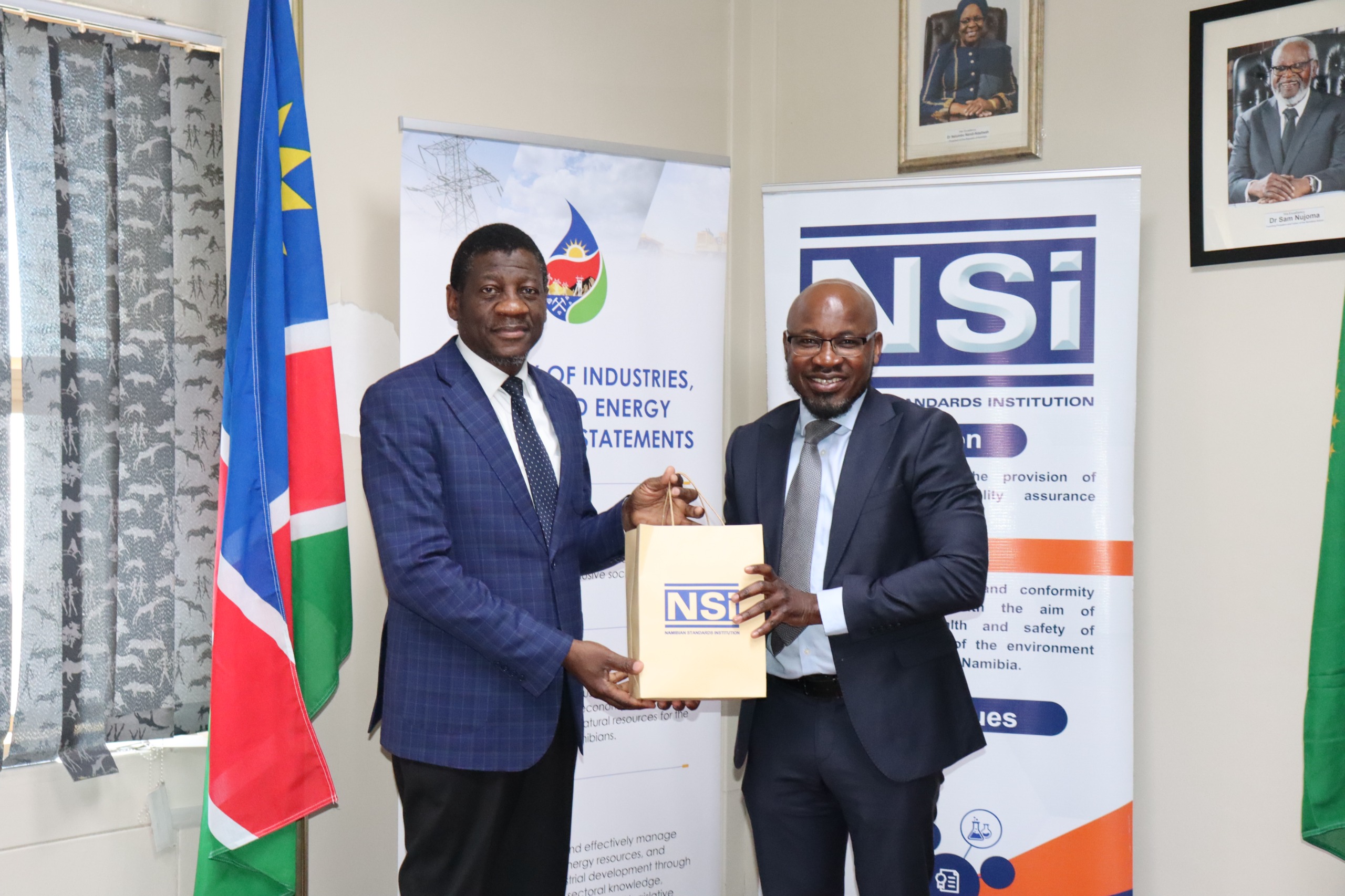
“We are targeting for the first standards to be gazetted in early 2027. Considerable progress is being made through the technical standards committee towards the adoption of the first Namibian petroleum product and related standards,” Mvula said on Wednesday during the signing of an agreement between the NSI and the Ministry of Industries, Mines and Energy.
NSI is also setting up a fuel-testing laboratory, with testing and verification services expected to start in the same year.
“Furthermore, a project to establish the first phase of a laboratory for fuel testing as well as legal metrology verification capability in support of fuel quality and quantity assurance is in progress, with testing and verification services expected to commence in 2027,” Mvula said.
The service level agreement will provide funding for equipment and other infrastructure needed to set up the services. It also sets out the work the NSI will carry out for the ministry.
Mvula said the NSI will test fuel quality and check fuel quantities.
The NSI will also provide independent fuel sampling, testing and quantity checks to support the ministry’s monitoring and enforcement work.
Ministry executive director Moses Pakote says the agreement will strengthen fuel testing and inspections and help ensure petroleum products meet national requirements.
He says the agreement is aimed at improving controls against fuel dumping, smuggling and tax evasion.
Pakote says the ministry expects the measures to help protect consumers, the environment and government revenue.
“As part of our contribution to the implementation of the Sixth National Development Plan objectives on economic growth and job creation, as an enabling ministry, together with the NSI, we are laying the foundation for a stronger, growing economy, a safer consumer environment and a more competitive nation,” he says.
Pakote says the government expects the agreement to strengthen regulation of the petroleum sector and improve the safety of products sold to consumers.
“The expected outcomes are clear: safer products for our people, and greater resilience for our economy as these agreements serve as cornerstones in building resilience, accountability and security in Namibia’s petroleum sector,” he says.