







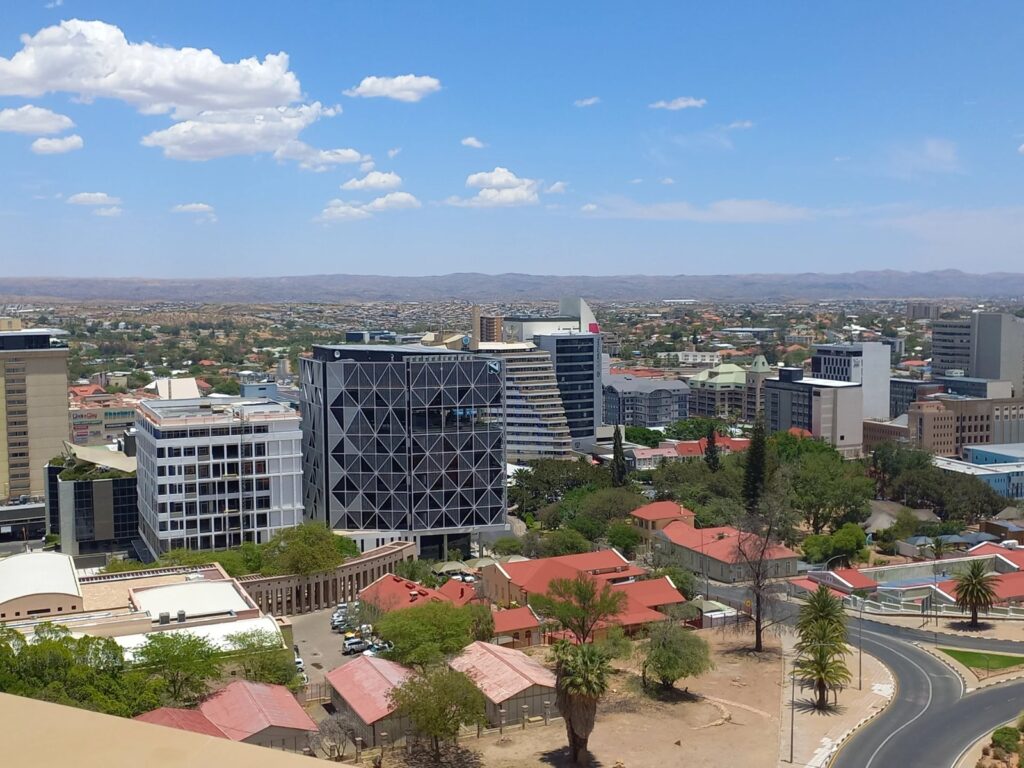
Namibia may be keeping inflation under control, but a new global ranking shows that the country is struggling to compete with other economies because of problems affecting businesses, investment and economic growth.
The 2026 International Institute for Management Development (IMD) World Competitiveness Ranking places Namibia 69th out of 70 countries, dropping one place from last year.
The ranking measures how well a country creates an environment where businesses can grow, investors can operate and people can access opportunities.
Namibia’s position means while the country has managed to maintain stable prices, it continues to face challenges that make it harder for companies to expand, create jobs and compete internationally.
The report points to several issues affecting the economy, including government financial pressures, expensive borrowing costs, limited funding for small businesses and gaps in infrastructure.
“Namibia faces fiscal constraints, competing budget priorities, high cost of capital, and limited micro, small and medium enterprises financing,” reads the report.
One of Namibia’s strongest areas remains price stability. The country ranked eighth globally for controlling inflation, recording an inflation rate of 3.51% in 2025.
However, the report says stable prices alone are not enough to drive economic growth.
Namibia performed poorly in areas such as domestic economic activity, attracting international investment and basic infrastructure.
The country’s technology and scientific infrastructure also remain among its weakest areas.
The report notes that economic growth remains slow, with real gross domestic product (GDP) growth at 1.7%, while the country continues to rely heavily on mining and other primary industries.
Currently, Namibia’s GDP is N$70 billion.
According to the report this dependence on one sector leaves Namibia vulnerable when global commodity prices change, as the economy does not yet have enough diverse industries to absorb shocks or create enough new opportunities.
For small businesses, the report shows access to finance remains a major challenge, making it difficult for entrepreneurs to expand, hire workers or invest in new ideas.
It also points to delays in government reforms, slow digital transformation and weaknesses in public procurement systems as barriers affecting efficiency.
The IMD recommends that Namibia focus on growing new industries beyond traditional sectors, improving infrastructure, making it easier for businesses to access funding and strengthening government systems.