





Every day, countless vehicles drive through Namibian streets unaware of the gradual deterioration happening beneath them.
A single unchecked crack can evolve into a gaping pothole and what is overlooked today often becomes a costly repair tomorrow.
Water is the biggest enemy of road infrastructure. It seeps in from below as groundwater, from above as rainwater, or from surrounding areas as surface runoff.
During the past rainy season, several Namibian towns experienced unusually heavy showers, leading to the infiltration and weakening of pavement layers, which in turn caused structural distress and road infrastructure deterioration.
Some streets have exceeded their intended service life yet remain in daily use without substantial rehabilitation.
Hence, they undergo frequent surface failures like potholes, cracks and edge breaks.
Limited funding forces local authorities to rely on short-term fixes rather than a proactive strategy that addresses underlying structural fatigue.
Poor drainage systems further accelerate road degradation.
Many stormwater networks designed to channel runoff into rivers are either non-functional or severely obstructed by garbage, silt, sand, and vegetation.
This blockage prevents proper water flow, causing premature pavement distress and surface failures.
Poor maintenance of riverbeds often leads to sediment build-up and overgrown vegetation which reduces a river’s capacity to carry stormwater.
During heavy rain its stormwater discharge capacity is reduced, riverbeds are clogged and water spills over to adjacent roads.
This reoccurrence weakens the pavement layers causing potholes.
Additionally, delayed maintenance, ignored minor defects such as cracks and potholes, and the use of substandard materials or poor construction techniques often result in premature road failure and increased long-term costs.
PROLONGED IMPACT ON COMMUNITIES
Deteriorating roads have far-reaching economic and social consequences.
Motorists face frequent tyre wear and suspension damage which results in higher vehicle repair costs.
Commercial transport such as delivery trucks, buses, and taxis experience increased fuel consumption, route delays, and service inefficiencies.
Moreover, local businesses suffer because of customer traffic decline and disrupted supply chains when access routes become unreliable.
Just as unsafe road conditions lead to sudden swerving or collisions, heightening accident risks, dust and particulate matter from broken or unpaved roads also degrade air quality, posing health risks.
Incidentally this impact is unevenly distributed as wealthier areas often receive faster maintenance interventions, while low-income communities face prolonged neglect.
These poor road conditions reduce access to schools, clinics, and workplaces, particularly for residents without private vehicles.
Over time, this fosters frustration, weakens trust in local governance, and reduces civic engagement.
SOLUTIONS AND PREVENTION
- Routine Inspections and Data-Driven Maintenance
Early detection of surface cracks, rutting or drainage issues enable municipalities to conduct low-cost interventions before significant damage occurs. Pavement condition surveys, photogrammetry, and mobile monitoring applications can support efficient asset management and timely repairs.
- Training and Capacity Building
Competent personnel are essential for effective road maintenance.
Continuous professional development through workshops, certifications, and technical training, enhances the capabilities of technical personnel, resulting in improved construction quality and efficiency.
- Collaboration With Universities
To strengthen road maintenance efforts, municipalities should actively collaborate with local higher institutions like the University of Namibia and the Namibia University of Science and Technology. These universities possess the technical expertise, research capacity, and innovative spirit needed to develop tailor-made materials and solutions suited for local conditions. Municipalities can pilot new modern sealants, cold mix asphalts and soil crete formulations on selected roads.
- Community Engagement
Residents are often the first to notice emerging road defects. Establishing public reporting platforms, hosting town hall meetings, and maintaining feedback channels can empower communities to contribute to infrastructure upkeep and accountability.
- Public Awareness
Municipal road shows, school programmes, and media campaigns can help citizens understand the importance of timely maintenance, proper road use, and the shared responsibility in preserving public assets.
- Rigid Pavements
Rigid pavement construction in low lying areas, sections that are flood-prone or water sensitive areas, is a strategic approach to enhance durability and performance under challenging environmental conditions. Furthermore, it is ideal for heavy traffic areas as it resists deformation under repetitive axle loads, reducing rutting and fatigue cracking. Concrete pavement offers a longer service life with minimal structural deterioration, reducing the frequency of major rehabilitation compared to our traditional flexible pavements.
CIVIC DUTY
Roads are more than physical infrastructure. They are vital economic lifelines that sustain mobility, trade, and community connection.
Preserving them is not a luxury but a civic responsibility.
Timely maintenance enhances safety, supports equitable access, and demonstrates a community’s commitment to progress and good governance.
Every unrepaired crack is a warning; prolonged neglect transforms infrastructure into liabilities and communities into casualties of inaction.
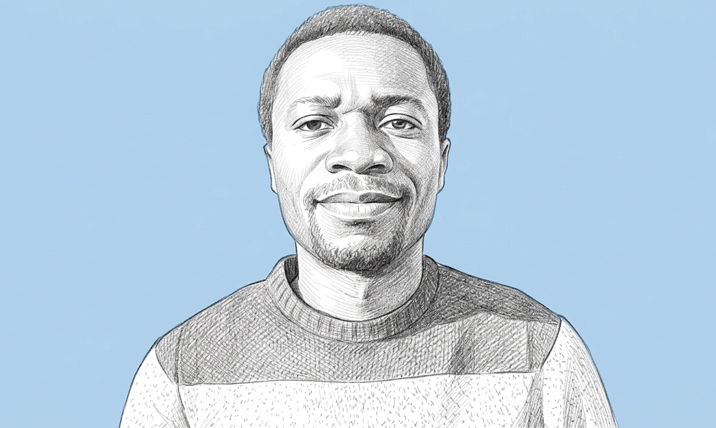
- Thomas Hiskia is a masters student at (Universidad Tecnológica de La Habana José Antonio Echeverría in Cuba). Among others, he holds a bachelor’s of science in civil engineering (Unam). The views expressed here are his own views.