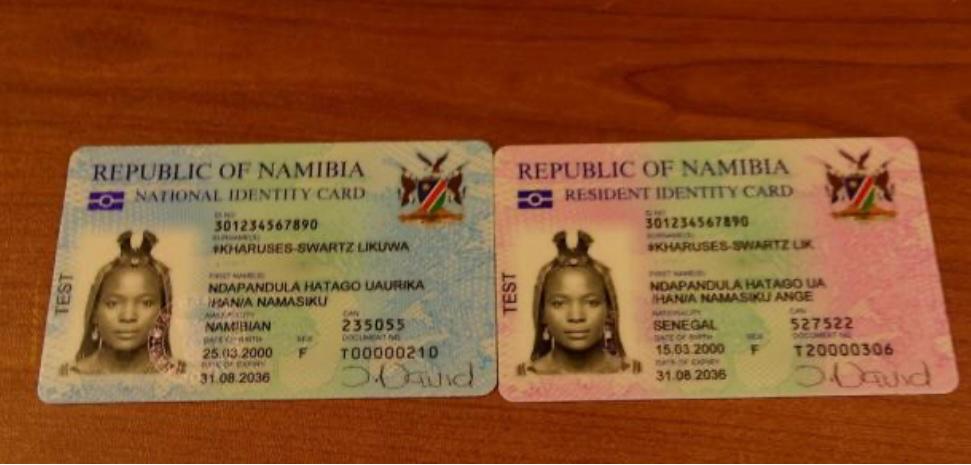
The Ministry of Home Affairs, Immigration, Safety and Security has clarified that Namibians applying for the new electronic identity (e-ID) card will not be required to pay, with fees only applicable under limited circumstances such as replacing recently issued lost or damaged cards.
Speaking during an e-ID awareness campaign at Gobabis on Tuesday, the ministry’s deputy executive director and chief registrar, Jackson Wandjiva, said first-time applicants, those renewing expired identity cards and applicants making amendments to their identity records would receive the new e-ID card free of charge.
Wandjiva said only applicants requesting duplicate cards, including those whose recently issued cards have been lost or damaged, would be required to pay the prescribed replacement fee.
“The current arrangement remains in place when you apply for the next card. In many instances, you don’t pay,” Wandjiva said.
The awareness campaign formed part of the ministry’s efforts to educate members of the public about the rollout of the electronic identity card and its benefits.
Control administrative officer in the civil registration department, Festus Abiatar, says the e-ID card contains a secure electronic chip that stores the same personal information printed on the card, as well as the holder’s biometric data.
Abiatar says the chip securely stores the holder’s fingerprints, enabling biometric verification when accessing services that require proof of identity.
“The thumbprint stored on the chip can be matched with the holder’s fingerprint to confirm that the person presenting the card is its rightful owner,” he says.
The ministry also used the outreach campaign to demonstrate the new card to community members, with Wandjiva displaying a sample of the e-ID card during the engagement.
E-ID brand ambassador Regina Gainames conducted awareness sessions in local languages to help residents better understand the purpose and use of the new identity document.
Meanwhile, senior traditional councillor of the Gobanim Traditional Authority, Jonathan Malo, welcomes the introduction of the electronic identity card, describing it as a positive development.
Malo, however, urges the ministry to strengthen collaboration with traditional authorities and civil society organisations during the enrolment process, saying local leaders were well placed to identify and assist people who still do not possess national identity documents.
He says closer cooperation would improve access to registration services and ensure that more eligible Namibians are reached during the nationwide rollout of the e-ID.