





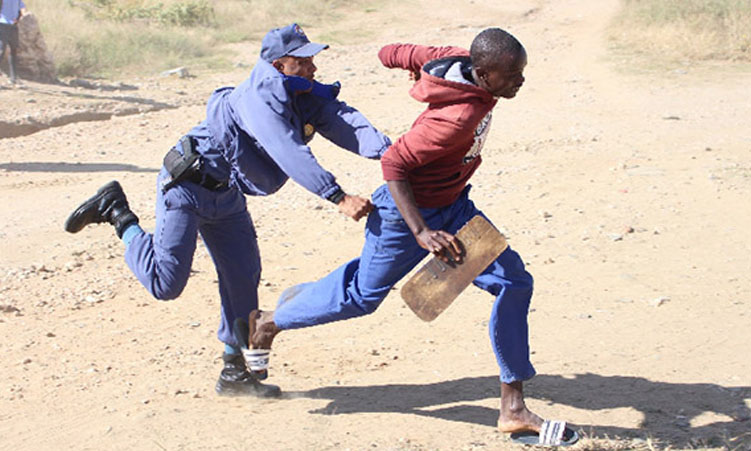
Namibia is quietly losing a generation. Every week, the Namibian Police appeals for help to find young people who have disappeared, only for many to re-emerge as suspects, prisoners or victims of violent crime. This troubling trend reflects a deeper crisis: crime is increasingly becoming an employer of last resort for unemployed youth.
With youth unemployment hovering around 38%, according to the Namibia Statistics Agency, thousands of school-leavers and graduates face closed doors in the formal economy. Criminal syndicates exploit this desperation by offering quick cash through cellphone theft, vehicle break-ins, drug dealing and other illegal activities. What often begins as petty crime can escalate into organised criminal operations.
Social media is worsening the problem. Criminal acts are increasingly celebrated on platforms such as TikTok and Facebook, where young offenders gain attention, praise and status instead of community condemnation. Without efforts to challenge this toxic online culture, criminality risks becoming normalised among vulnerable youth.
The crisis also reflects the erosion of Namibia’s social fabric. Many young people grow up in single-parent households where overburdened mothers struggle to provide supervision and support. In the absence of positive male role models, gang leaders and online influencers fill the void, offering a false sense of belonging, identity and purpose.
Reversing this trend requires more than policing. The government must expand economic opportunities for young people by ensuring initiatives such as the National Youth Entrepreneurship Fund and youth lending schemes reach those most at risk. Bureaucratic barriers should be reduced so aspiring entrepreneurs can access start-up funding without costly registration requirements.
Investment in human development is equally important. Regional youth centres should be transformed into free vocational training and digital skills hubs, while stronger enforcement of the national minimum wage can make entry-level employment a more attractive alternative to crime. Youth counselling, mentorship programmes and targeted support for high-risk communities are also essential.
Law enforcement alone cannot solve this crisis. Religious institutions, civil society, businesses and communities all have a role to play by expanding mentorship programmes, sports initiatives, apprenticeships and safe spaces for young people.
Namibia’s youth should be preparing to lead the country, not filling prison cells. Preventing another generation from being recruited into crime demands urgent, coordinated action that tackles not only criminal activity, but also the unemployment, poverty and social breakdown that fuel it.
– Kevin Rukoro