Descendants of genocide victims in the Kunene region have called for stronger historical truth-telling, intergenerational dialogue and meaningful healing ahead of Genocide Remembrance Day, saying remembrance must lead to lasting national reconciliation.
The remarks were made during a Government Information Centre engagement at Opuwo on Wednesday with the Ministry of Information and Communication Technology ahead of the inaugural national commemoration on 28 May.
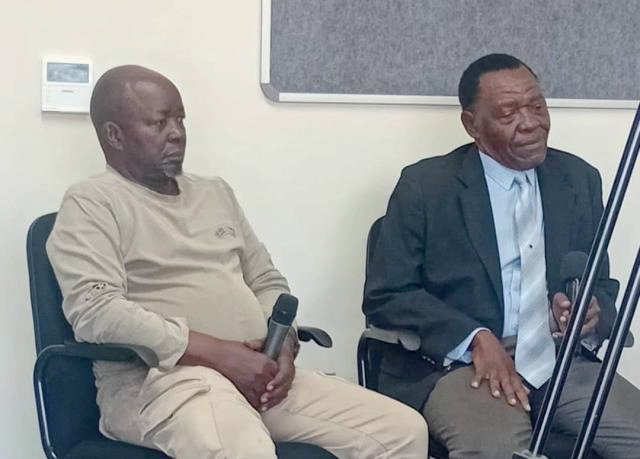
Former parliamentarian and descendant of genocide victims Mike Kavekotora said the impact of the 1904-1908 genocide continues to shape the lived reality of affected communities, particularly through displacement from ancestral land, cultural disruption and long-term psychological trauma.
Kavekotora said remembrance plays a critical role in preserving history, warning that the events risk distortion if not consistently documented and passed on to younger generations.
He emphasised that healing is not a single act but a continuous process that must include psychological, cultural and material restoration.
“History can easily be distorted if it is not preserved,” he said, adding that Genocide Remembrance Day provides an important national platform for reflection and unity.
Kavekotora noted that many descendants still live away from their ancestral land due to the legacy of colonial violence, saying this displacement continues to affect identity and belonging.
Another descendant of genocide victims, Stein Katupa, said affected communities continue to experience deep social and cultural loss, including the destruction of family structures, livestock and traditional ways of life.
Katupa said many families remain disconnected from their original homelands and continue to feel the effects of forced displacement more than a century later.
He called for stronger preservation of oral histories and community memory, warning that the suffering of ancestors must not fade from national consciousness.
Senior traditional councillor Justus Muteze of the Vita Thom Royal House said it is important to remember the event and ensure it is taught in schools so pupils can pass the knowledge to future generations.
The engagement formed part of nationwide preparatory activities ahead of Genocide Remembrance Day, observed nationally under the theme ‘Remembering the Past, Honouring the Fallen, and Building a United Future.’
– Nampa