





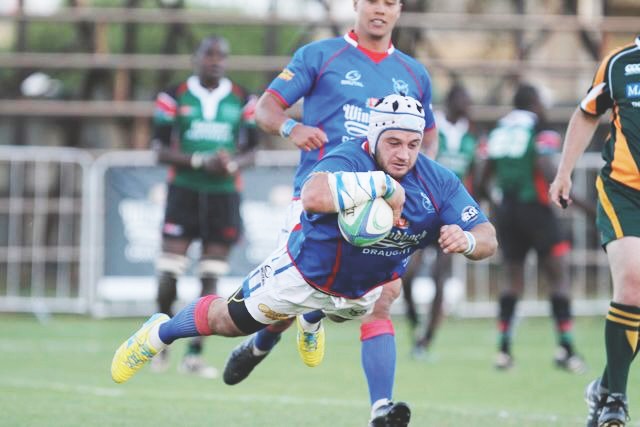
Rohan Kitshoff has played rugby at the very top, and he’s not done yet. The former Wanderers and Welwitschias flank spent most of his career in South Africa, battling it out in the Vodacom Cup and Currie Cup.
Kitshoff also played for both the Griquas and Western Province Sevens and captained both the Western Province Vodacom Cup side in 2014 and the Namibia national team on numerous occasions.
He’s a two-time Vodacom Cup winner – one each with the Griquas and Western Province.
Kitshoff’s first cup glory was achieved with Griquas in 2009, and he also clinched the Gold Cup with Durbanville-Bellville, also known as Durbell, in 2015.
Ironically, his injury time try secured Western Province their first Vodacom Cup glory during a fiercely contested final against Griquas at SWK Park in Kimberly in 2012.
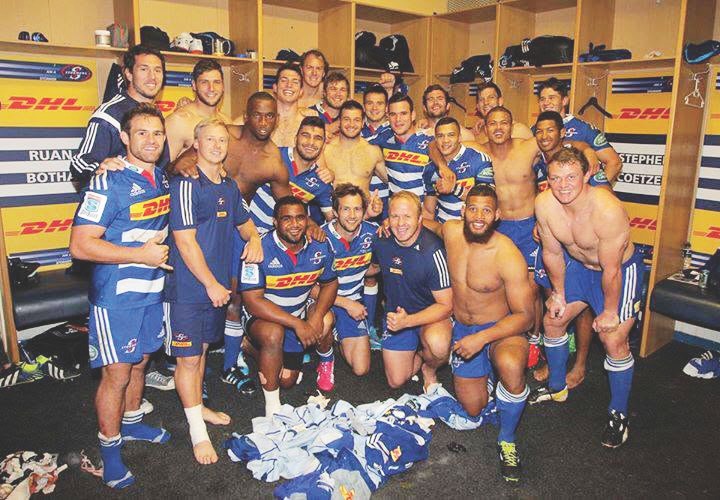
Trophies weren’t enough. In 2012, he crossed the line seven times to finish joint top try scorer in the Vodacom Cup.
Before his club journey with Wanderers in Windhoek, Kitshoff first played for Western Province Premier League club Durbanville-Bellville.
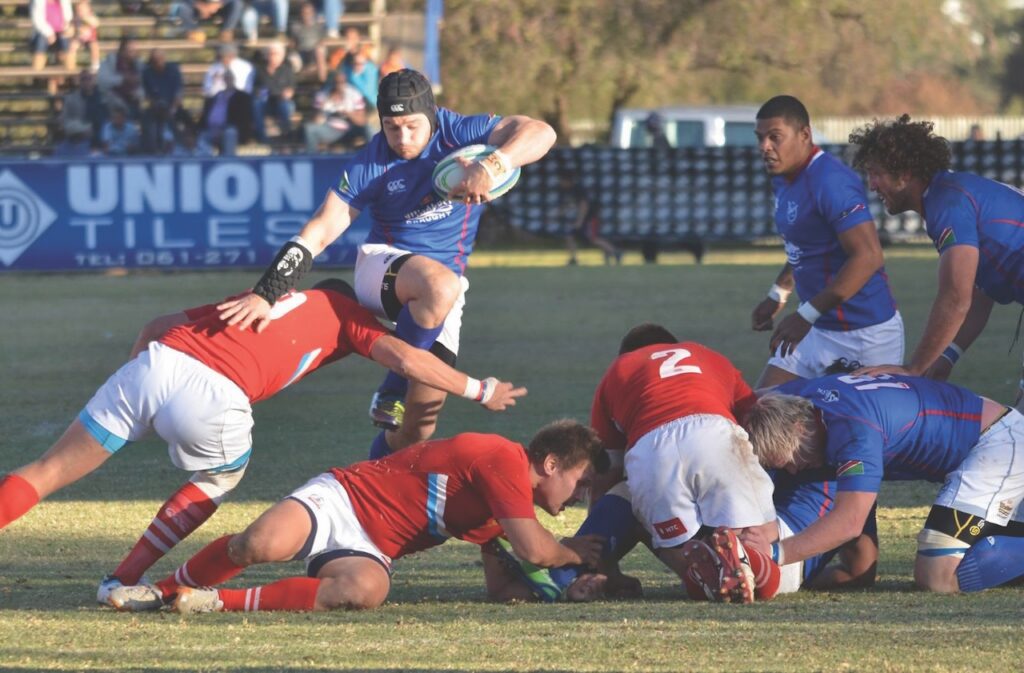
In the blue, red, and white of Namibia, Kitshoff was an absolute warrior as an open side flank.
He represented the Welwitschias at three Rugby World Cups and featured in several Africa Cup tournaments.
The retired hardworking fetcher started his amateur rugby career with the Boland Cavaliers before he moved on to Western Province only to surface at the Griquas in 2007.
He called time on his playing career in 2019, but hasn’t left the game.
“I ended my playing career after the 2019 Rugby World Cup, but I’m still sharing my experience with the youngsters.
“I’m an assistant coach to my former teammate, Darryl de la Harpe, at Wanderers, and I’m coaching the Welwitschias’ forwards.”
Kitshoff’s involvement with rugby stretches from his primary school years in South Africa when he used to follow his brother to practice.
While born in Windhoek, the retired star spent most of his life in South Africa from age two.
“My parents moved to South Africa when I was two years old. We first stayed at Vredenburg before moving to Worcester in the Western Cape,” he says.
“I started playing rugby, accompanying my elder brother to his team practice sessions in Vredenburg while I was just a Grade 2 pupil.”
Kitshoff first started playing left wing at the age of 16 in high school, before he later converted to flank at Boland.
He gained confidence after he was selected to the South African green squad during his final years of school at Vredeburg.
The two-time Vodacom Cup winner is one of the lucky players who played professional rugby in both South Africa (SA) and France.
“I must be lucky and privileged to have played rugby in both the southern and northern hemisphere. I think the DNA in both countries is the same,” he says.
“South Africa and France are both big players in world rugby. While I played for Bordeaux, which is a club, I spent almost my entire career playing rugby at the provincial level in SA.”
He says the language barrier was, however, an issue in France.
The players underwent compulsory French classes once a week.
Kitshoff says that he owes Rassie Erasmus a great deal, because apart from setting him up to play for college clubs, he also linked him up with the Welwitschias’ technical team.
When Bordeaux asked for a flank who suited their profile, Erasmus didn’t hesitate to whisper his name once again.
Kitshoff mentions former Free State Cheetahs open-side flanker and South Africa Sevens star Heinrich Brüssow as his toughest opponent on the rugby field.
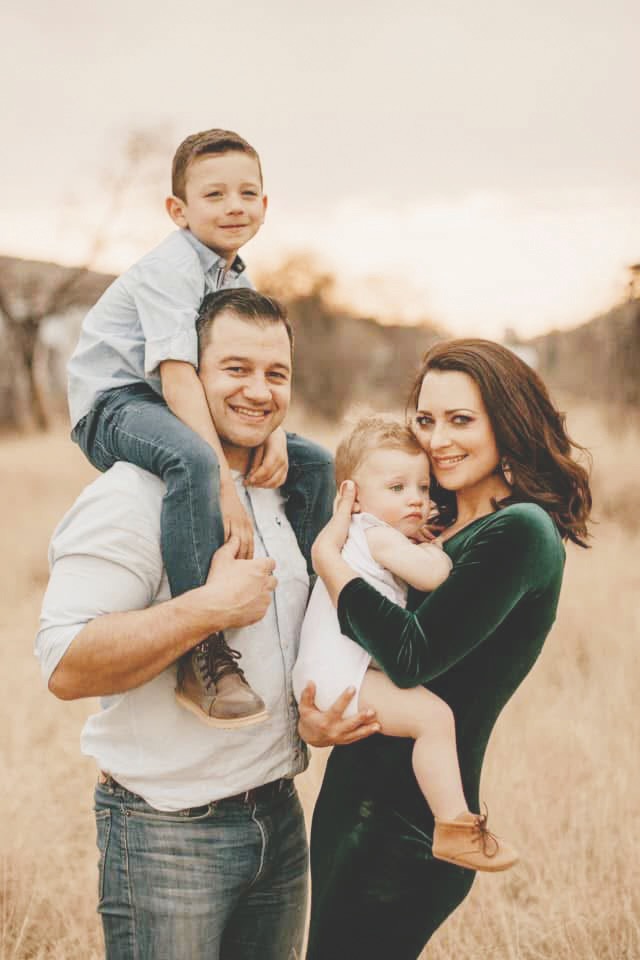
While he points to his brother, Tian, as the person with the biggest influence on his rugby career, Kitshoff says his wife, Carmen, also became a motivational figure later on.
WORK, FAMILY
The couple got married in 2013 and are raising two sons together.
The retired star, who studied at the Cape Peninsula University of Technology, works as a unit manager in the production division of the country’s breweries.
Kitshoff says he is still involved as a coach.
“I may have retired, but I still suffer a defeat with the same passion I celebrate a victory with my players. I’m still on the rugby field as a coach.
“But I would not be fair to myself to say I don’t miss playing completely. I definitely miss that perfect tackle on an opponent and to turn defence into attack with a turnover.”
He says he is currently feeling the same emotions as the players and technical team colleagues who didn’t qualify for the next world cup.
“Apart from helping the players improve their craft, we also feel the spirit of brotherhood as part of the team,” he says.
Kitshoff says although he was not among the biggest guys in the Welwitschias team, his passion and commitment to represent the country of his birth at the highest level was never in question.
“The modern game has evolved immensely from the days when I was still a high school boy at HTS Drostdy in Worcester,” he says.
“The emphasis today is on the defence having to be good. I thrived on making turnovers.”
Kitshoff’s advice to young players is the following: “The first thing I tell my players is that they should be themselves and never allow another person to determine their ability. We think we’re a small country too much.
“We’re already labelled as underdogs at huge tournaments like the Africa Cup and the World Cup. We need to overcome that mentality and play to be triumphant,” he says.
He says if you work hard, you give yourself an equal chance with your opponent to succeed.
“They say hard work pays off, and anything is possible.”