





Conditions such as stroke and heart attacks, traditionally associated with older people, are now increasingly affecting younger people, with high blood pressure being diagnosed at younger ages.
Senior physiotherapist at Katutura Intermediate Hospital Hilma Ndivayele says the shift is among the reasons this year’s World Physiotherapy Day is focusing on cardiovascular disease and strokes.
“In the past, you know, we would only find strokes in old people and heart attacks.
These are conditions we normally find in old people.
But in these recent years, it’s also a condition that’s affecting young people who are diagnosed with high blood pressure at such a young age,” Ndivayele says.
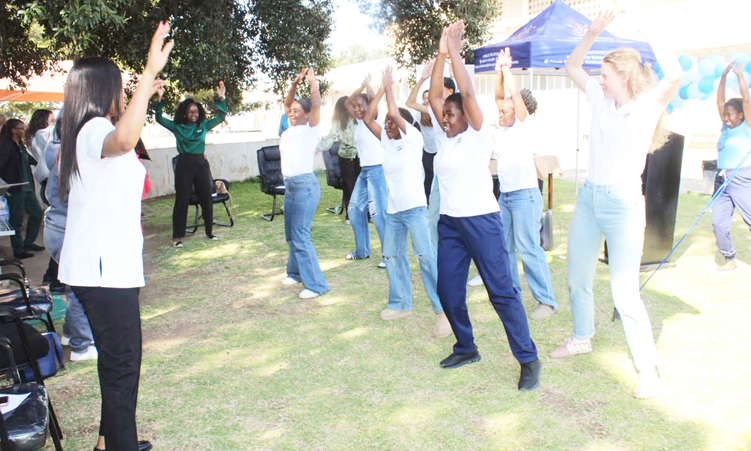
She said speaking during the commemoration of World Physiotherapy Day at Katutura Intermediate Hospital on Tuesday.
She says the focus on cardiovascular disease and stroke was aimed at raising awareness about the growing burden of these conditions and their implications for communities and the health system.
“So the reason why we focus on that this year is to bring awareness to the community so that we help them understand why this is becoming a burden and what kind of implications it has on the community and the health system at large,” Ndivayele said.
Ndivayele noted that cardiovascular disease and strokes, are non-communicable diseases that develop over time and can be caused by factors including high blood pressure, narrowing of blood vessels and problems with the cardiac muscle.
She said a sedentary lifestyle, physical inactivity and unhealthy eating could also contribute, while some people may be predisposed because of genetics.
Ndivayele said physiotherapists play a role in preventing cardiovascular disease and stroke, particularly by helping people at high risk become more active and adopt healthier eating habits.
“So if we find that you are at high risk, we help you become more active, eat healthier, you know, so that you don’t end up suffering from some of these diseases,” she says.
She says physiotherapists also assist patients during rehabilitation after a stroke or other cardiovascular event.
Senior medical officer at the Katutura Intermediate Hospital Aina Katangolo says cardiovascular disease and strokes could have physical, psychological and social consequences for individuals, families and communities.
“Prevention, early intervention, appropriate medical management, and rehabilitation are therefore essential in improving patient outcomes,” Katangolo says.
She says physiotherapists assist stroke patients with improving mobility and balance, promoting safe physical activity, improving cardiovascular fitness and helping patients return to their daily activities and independence.
Katangolo says managing cardiovascular disease and stroke requires collaboration among different healthcare professionals.
“However, effective management of cardiovascular disease and stroke cannot be achieved by one profession alone,” she says.
It requires a multidisciplinary approach, where doctors, nurses, physiotherapists, occupational therapists, speech therapists, dietitians, psychologists, pharmacists, social workers, patients, and caregivers work together towards a common goal,” Katangolo says.
She encourages continued collaboration among healthcare professionals to provide comprehensive, patient-centred care.
Katangolo also highlights prevention measures, including regular physical activity, maintaining a healthy diet, controlling blood pressure and blood glucose, avoiding smoking, maintaining a healthy weight and attending regular health screenings.