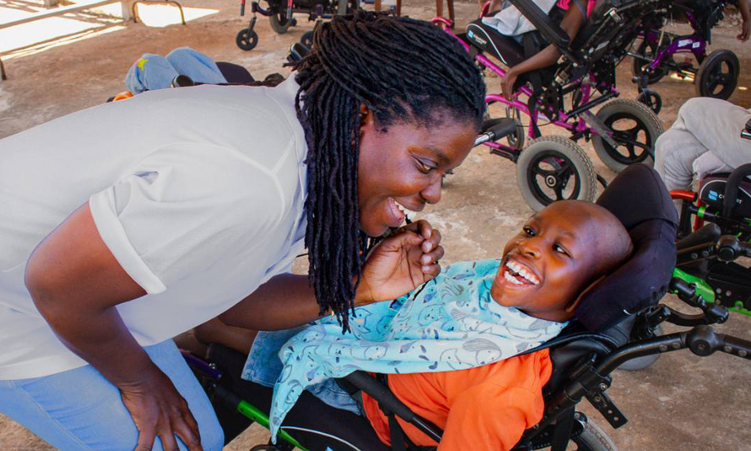
This year’s World Cerebral Palsy Day highlights the different experiences and strengths of people with the condition.
Cerebral palsy affects movement, balance and posture, but its impact varies widely from one person to another. Some can walk, while others need assistance.
World Cerebral Palsy Day is observed annually on 6 October, with this year’s theme being #UniqueAndUnited, which focuses on the different experiences, priorities and strengths of people with cerebral palsy while encouraging collective action for a more inclusive world.
According to Mayo Clinic, cerebral palsy is caused by damage to a baby’s brain, most often before birth. Symptoms generally appear during infancy or the preschool years.
The clinic says symptoms can include stiff muscles, changes in muscle tone, difficulty with balance and coordination, uncontrolled movements, difficulty walking and problems with fine motor skills.
Cerebral palsy can also affect speech and eating, including causing delays in speech development, and difficulty speaking, sucking, chewing or swallowing.
Some children may also experience developmental delays, learning or intellectual disabilities, seizures, hearing or vision problems.
However, the effects of cerebral palsy are not the same for everyone.
“Some people with cerebral palsy can walk, while others need assistance. Some have intellectual disabilities, but others do not,” Mayo Clinic says.
“Some may have epilepsy, and blindness or deafness.”
The World Health Organisation (WHO) describes cerebral palsy as a group of permanent disorders affecting the development of movement and posture, causing limitations to activities.
It says this can include difficulties with mobility, communication and eating.
“Although there is no cure, a broad range of interventions, from early childhood and across the life span, can optimise the development, functioning, health, well-being, and quality of life of people with the condition,” the WHO says.
Mayo Clinic similarly says there is no cure for cerebral palsy, but treatment options can help improve daily functioning.
Treatment may include medicine, therapy, surgical procedures and other interventions depending on an individual’s symptoms and needs.
The organisation says early intervention can improve outcomes, while care may involve healthcare professionals, rehabilitation specialists, therapists and other specialists.
World Cerebral Palsy Day organisers say more than 50 million people worldwide live with cerebral palsy and describe the annual observance as a global movement for people with cerebral palsy, their families and supporters.
This year’s #UniqueAndUnited campaign encourages people with cerebral palsy to identify changes they want to see, including greater inclusion and equal opportunities in areas such as education.
The campaign states that people with cerebral palsy should not have their potential limited by inaccessible classrooms, technology or assumptions about what they can achieve.