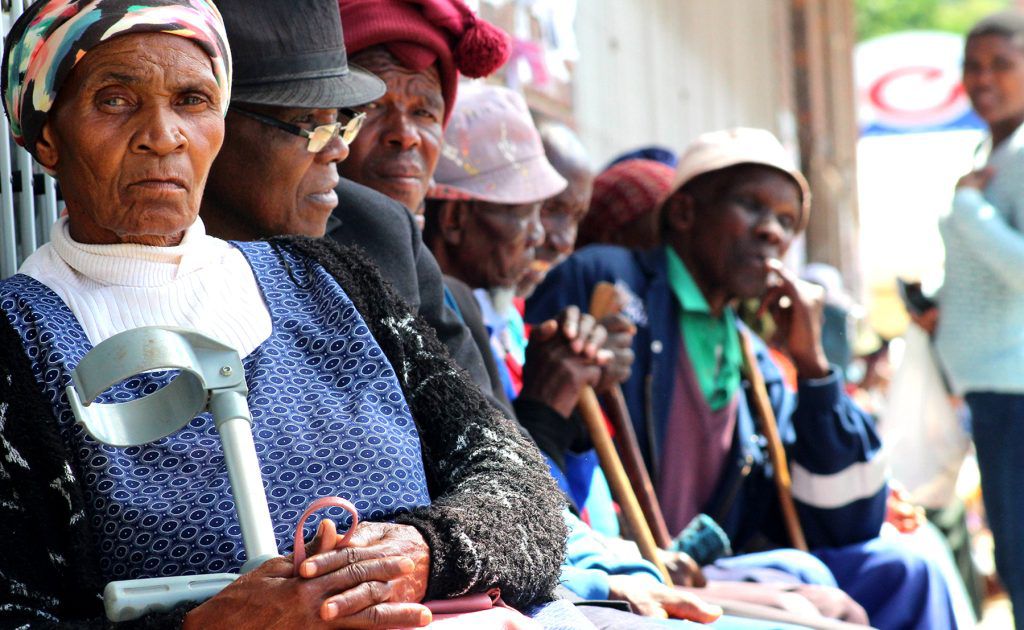




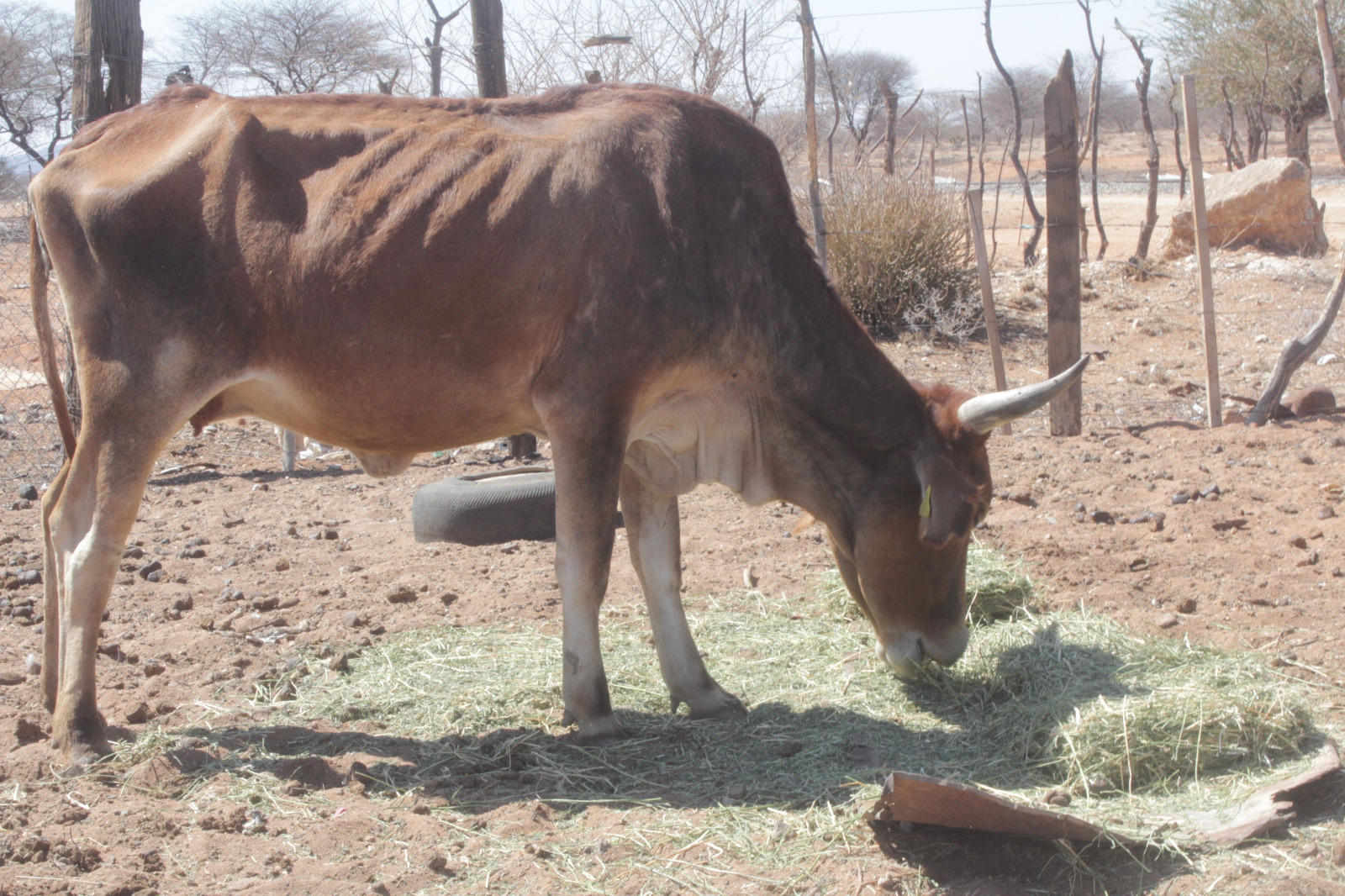
Farmers in the Hardap region have received N$11.9 million from a government programme to mitigate the impact of drought in one year.
This drought was noted as the worst in over 100 years and threatened the country’s water security, health and economic prosperity.
The government has allocated a total of N$130 million to the Livestock Support Interventions and Crop Production Nationwide Incentives Programme, which includes food aid, seed availability and horticulture.
Water security was provided for at a total cost of N$825 million.
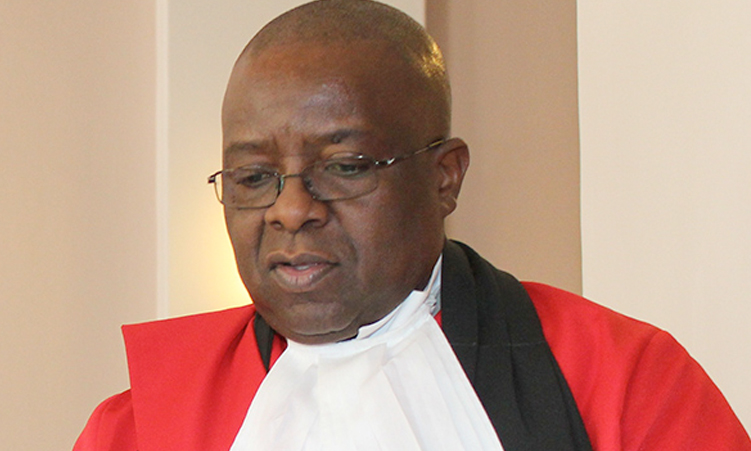
Hardap governor Riaan McNab says after a long, dry spell, with the Hardap Dam’s level dropping to below 5%, the region received above average rainfall to the relief of all farmers.
He said this during his state of the region address at Mariental on Wednesday.
“The duration of these interventions was from 1 April 2024 to 31 March 2025. For the year under review the region submitted claims valued at N$11.9 million at the time of this report.
“Good rains have been received in the region during the just-ended rainy season to the relief of all farmers,” he said.
McNab said the Ministry of Agriculture, Fisheries, Water, and Land Reform is implementing comprehensive conservation agriculture, with one out of every three farmers in the region following these principles.
The region has 382 farmers in total, he said, who are also implementing the Harambee Comprehensively Coordinated and Integrated Agriculture Development Programme for horticulture, which was allocated N$1.5 million in the 2024/25 financial year.
This project, he said, started in 2019/20 and is currently valued at N$5.4 million, benefiting 348 farmers with subsidised inputs.
Two other schemes under this programme are the agriculture mechanisation scheme and the poultry value chain development, which were allocated N$700 000 at the start of the programme in 2020 and have grown to N$2.4 million, benefiting 340 farmers with subsidised inputs.
Out of the N$825 million budgeted for the drought-relief programme, the government set aside a sum of N$600 million for food assistance, N$25 million for seed availability and horticultural activities, and N$100 million for enhancing water supply through the installation of boreholes.
This is apart from N$130 million for livestock support.
“The Namibia Agricultural Mechanisation and Seed System Improvement Project development goal is to improve household food security and contribute to poverty reduction.
“Farm machinery is being delivered in the region.
This consists of tractors, walking tractors with matching implements, balers, rakers and mowers, and hand-held equipment.
A total of 14 contractual farm machinery operators underwent intensive training and will operate the tractors and provide ploughing services,” the governor said.
He said a total of 480 water points are maintained in the region, of which 38 have poor quality water and are therefore supplied with water by a tanker.
Furthermore, a total of six boreholes were successfully drilled, while one was unsuccessful.