The government will formalise the prohibition of trawling inside the 200 metre isobath by September, turning what has been used as a management tool into law.
Agriculture, fisheries, water and land reform minister Inge Zaamwani made the announcement yesterday during the ministry’s performance review and planning workshop for the 2026/27 financial year.
Ministry spokesperson Romeo Muyunda says the process is being fast-tracked.
“The minister has called for gazetting the prohibition of trawling inside the 200 metre isobath by September as a long term measure. Gazetting takes into consideration a lengthy administrative process and, therefore, the minister is calling for this process to be fast tracked and completed,” he says.
Muyunda says Cabinet’s recent decision to allow limited fishing inside the zone is temporary.
“The Cabinet decision to allow the fishing in a specified zone inside the 200m isobath is an interim measure that will end in 2027. After the gazette a grace period will be given for the operators to align with the regulations,” he says.
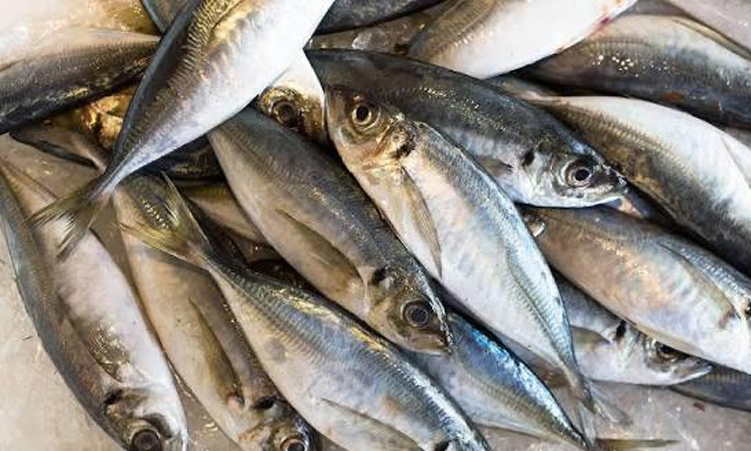
Cabinet approved the relaxation for the wet-landed horse mackerel subsector, allowing vessels to fish up to 150m deep, but not shallower, from 1 May 2026 to 30 April 2027.
The 200m isobath has for years been used to protect fish breeding areas along Namibia’s coast, but it has not been formalised in law.
The overlap between the temporary relaxation and the planned gazetting has raised questions in the fishing industry.
Confederation of Namibia Fishing Associations chairperson Matti Amukwa says the situation is unclear.
Amukwa says industry players are waiting for the final wording of the gazette.
“One has to wait and read the wording of the gazette in order to make a fair comment. For now, we don’t know exactly what’s going to be gazetted,” he says.
He says the government must provide guidelines.
“The government needs to come out and give guidelines on how it’s going to work,” he adds.
The recent relaxation applies to a small group of companies in the wet-landed horse mackerel subsector, including Gendev Fishing and Princess Brand, which process fish on land.
The two companies operate four vessels, while more than 90 vessels in other subsectors, including freezer, hake and monk vessels, are excluded from accessing to the same fishing grounds.
Marine scientist Victoria Erasmus says the area inside the 200m isobath is important for fish stocks.
“To a layman, the area within the 200m isobath is a breeding ground for most species and also serves as a nursery area for juveniles. There shouldn’t be any trawling in that area,” she says.
She says the rule has been used as a fishing condition and is now being formalised.
“Opening up this area shows how scientific advice can be overpowered,” she says.
Erasmus says the decision may bring short-term benefits.
“This move will definitely make more fish available to fishers, perhaps increase employment, even increase government revenue, but for a short while only,” she says.
She also warns about long-term risks.
“Then fisheries, which is already not doing so well, will collapse. We have a perfect example of sardine and orange as fisheries that have collapsed,” she says.
“Trawling in the 200m isobath is detrimental to our fish stocks,” she says.
Erasmus says formalising the restriction is necessary.
“Gazetting this would be the right thing to do, compared to opening it up for fishing,” she says.
The ministry has not yet explained how the temporary relaxation and the planned gazetting will work together.