






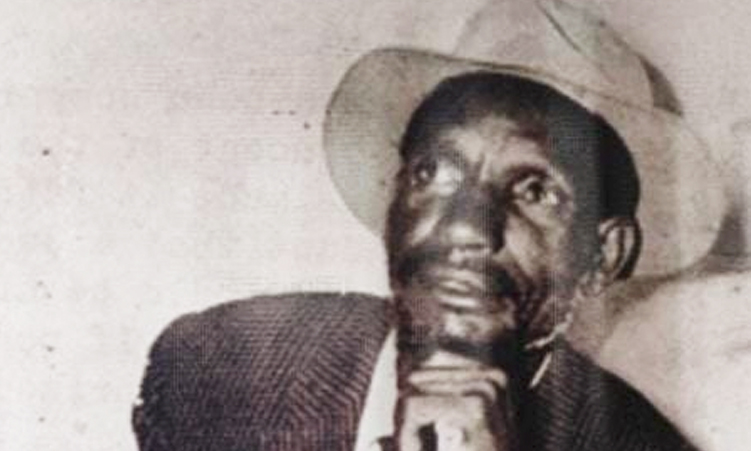
THE remains of anti-apartheid activists and former political prisoners Immanuel Shifidi and Eliaser Tuhadeleni (Kaxumba kaNdola) have been exhumed from their burial sites in Windhoek and Endola, respectively, ahead of their planned reburial at Heroes’ Acre.
A source from Tuhadeleni’s family confirmed to The Namibian on Tuesday that the exhumations were carried out by the Namibian Defence Force.
“Yes, they were exhumed on Friday,” the source said.
Shifidi’s brother, Ferdinand, also confirmed that Shifidi’s remains were exhumed from a Windhoek cemetery on 20 July.
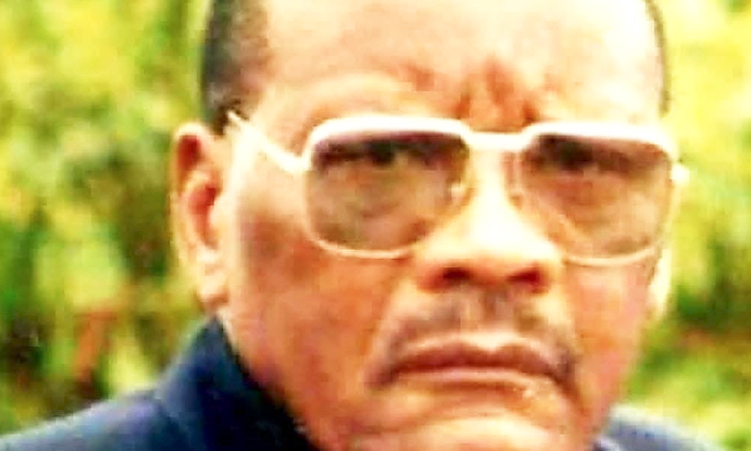
The reburial programme will also include Swapo stalwart and former member of parliament Nathanael Maxuilili.
Secretary to Cabinet Emilia Mkusa confirmed to The Namibian yesterday that the remains will be exhumed and reburied at Heroes’ Acre alongside Tuhadeleni, Shifidi and several others.
“Yes, it is true… the exhumation is being done by the Ministry of Defence [and Veterans Affairs], together with the relevant authorities.
I cannot confirm whether it has been done already, but it is true they will be reburied at Heroes’ Acre.
There are several others,” she said.
Mkusa said her office would issue a press statement next week.
However, Maxuilili’s brother, Keshii, says the family had not been formally informed about the process and only learnt of the planned exhumation earlier this week.
“My family has not been informed. I called my sister yesterday early in the morning and she informed me that Maxuilili’s remains will be exhumed,” he says.
He adds that he had written to the defence ministry to seek clarity on how the decision had been made.
“I will issue a press release on my social media page,” he says.
Maxuilili died in a car accident near Walvis Bay in June 1999 while being transported to Cape Town for emergency medical treatment after falling ill. The former member of parliament was buried at Walvis Bay.
Despite the confirmations from family members and Mkusa, defence ministry spokesperson Edson Haufiku says the ministry was not aware of the exhumation exercise.
The three men are among Namibia’s liberation struggle veterans whose contributions span decades of resistance against South Africa’s apartheid rule.
Shifidi was assassinated at a Swapo rally in Katutura shortly after his release from Robben Island Prison.
Tuhadeleni died in Windhoek in November 1997 at the age of 79 and was buried at his home village of Endola.
He was a member of the “barber shop crew”, a group that played a key role in the formation of the Ovambo People’s Congress, the forerunner of Swapo.
According to historical records, Tuhadeleni’s home at Endola frequently served as a meeting place for nationalist leaders and was repeatedly raided by South African apartheid police because of his political activities.
He was later arrested and taken to Pretoria, where he became the first accused in the apartheid-era trial ‘State v Tuhadeleni and 36 Others’ under South Africa’s Terrorism Act of 1967.
Both Tuhadeleni and Shifidi spent 18 years imprisoned on Robben Island before being released in 1985.
They were convicted alongside several other Namibian nationalists, including the late Andimba Toivo ya Toivo, John Ya Otto Nankudhu, Lazarus !Guiteb, Gaus Shikomba and Helao Shityuwete.
The local media reported early this month that the remains of two Namibians who died while imprisoned on Robben Island and were buried in Cape Town, South Africa, were to be exhumed and repatriated before 26 August.
The remains of Simon Nilenge, who died in 1974, and Festus Nehale, who died in 1971, are among 84 other Namibians who have been identified in South Africa.