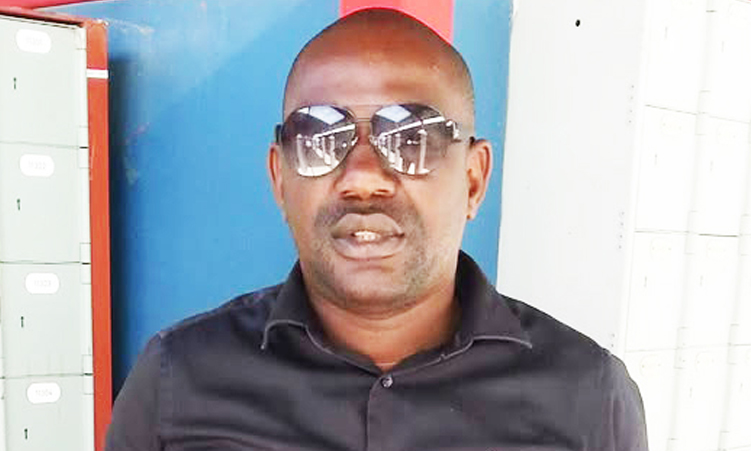






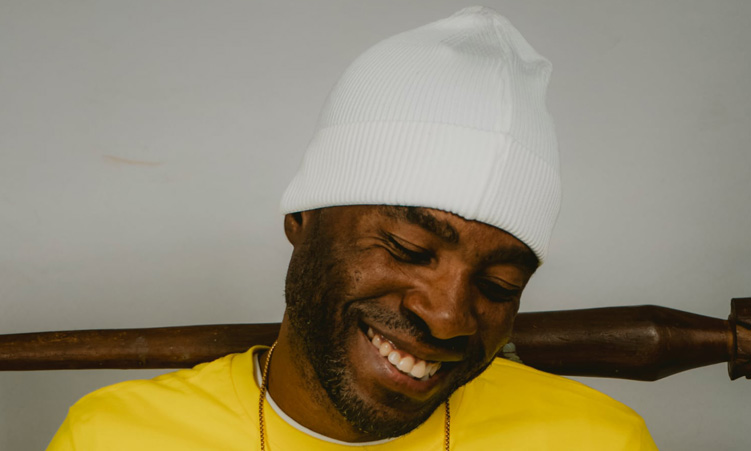
Award-winning Namibian music producer and former Matongo Family singer Arthur Nanub is celebrating 30 years in the industry while continuing to create new music.
The Windhoek-born former kwaito group singer-cum-producer, popularly known as ‘Damara Dik Ding’, says he made his first stage appearance with the Matongo Family in 1999.
“We were instantly rewarded with the best rap song award at the NBC Music Makers Competition,” he says.
“Winning the award served as our lucky charm, because more and more awards followed and our popularity skyrocketed. The Matongo Family is still a household name.”
Nanub, who was raised by a single mother who was a teacher, says his childhood idol was the late Damara Punch star Nic Mokomela.
“He presented and performed Damara Punch music as if he was the originator of the genre. I was blessed enough to meet him at the peak of his tenure. I even got permission to sample one of his iconic songs on a Matongo Family album I produced.”
Nanub says he doesn’t focus on specific topics when he sings – he just invests in stories that comfort his soul.
Although he is known mainly as a kwaito artist, the outspoken star says he was only partly introduced to kwaito by the Matongo brothers, Themba and the family.
He says he likes to infuse elements of Damara Punch into his work.
NEW MUSIC
When Damara Dik Ding is not on stage singing, he is busy in the studio cooking new music.
“I have two albums with Matongo Family and three solo projects, and, of course, a long list of singles, remixes and countless collaborations,” he says.
“My first big gig came during the NBC Music Makers Competition in 1999. It turned out to be a memorable debut by unexpectedly winning an award at our very first attempt already.” He says they also closed the show that night due to popular demand by the crowd.
Matongo Family are rated among the country’s top stage performers.
Damara Dik Ding is currently in the studio recording new material. “We’re always recording and producing whenever we can, almost every day. It’s like going to the gym, it becomes a lifestyle,” he says.
“The game is very tough for us artists who are also producers. You need to dedicate at least two or three hours daily to work on your craft, and you have to record other people’s stuff.”
‘NO REUNION’
Meanwhile, Nanub shrugged off speculation that Matongo Family are staging a reunion after they were seen performing together.
“I saw that one coming, and it’s not the first the rumours are coming up when we perform together as Matongo Family. A reunion isn’t possible right now,” he says.
“We usually only come together as a group for special occasions and requests because of other commitments and individual career goals. Things are working out just fine.”
The ‘Bakuten’ hitmaker says he doesn’t want people to remember him as a musician.
“I won’t be here to see it when I’m gone. What matters most to me is being present in the moments I create,” he says.
It wasn’t always just music for Nanub growing up, as he was also interested in football and he even pictured himself playing at Wembley Stadium one day, he says.
The artist has won several competitions and awards over the years.
He says he doesn’t have any regrets in life, because “anything that doesn’t feel authentic, I let go of. I’m moving at God’s pace”.
Nanub, who is in a long-term relationship with his queen, Andiswa, runs his own label called Chessta Records.
The label handles recordings, publishing, merchandise and events, he says.
The life of a musician and producer comes with its own challenges, he says.
“The challenges are the same everywhere for anyone raising a family. I just don’t want people who look up to me to normalise the toxic behaviour society has made acceptable. I don’t drink or smoke,” he says.
“I always encourage others to understand that you can have fun and be happy without substances. Most people are dealing with trauma, so it’s important to learn how to identify and navigate it.”
Nanub believes Namibia has many musicians who are capable of holding their own beyond our borders, adding that nothing is impossible.
He says Namibia is big enough to create “a little space where you can stay”.
However, the key players in the industry don’t realise that, he says.
“There are people who only cater to their own circles under the disguise of diversity. This doesn’t just apply to music, but to all the sectors across the country.
“They are the true enemies of Namibian progress. Some take offence to correction and have forgotten where they come from. People must realise that and learn that this industry can only grow if we treat all our artists equally.”
Damara Dik Ding’s advice for young musicians is: “Find yourself and be yourself.”