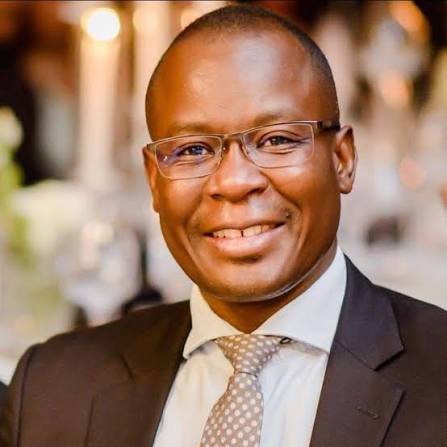
Kunene governor Vipuakuje Muharukua has suggested that the region’s residents gather funds to develop a mine that would be owned by Kunene region residents themselves.
Speaking at the Kunene Mining Summit on Wednesday, he said his vision for the Kunene region is strong businesses and the local ownership of a mine.
“Wealthy people invest in exploration activities and have a stake in those businesses. [I want an] avenue through which the people of the Kunene region can buy into those exploration activities and become owners of those businesses,” Muharukua said.
The governor said he would convene meetings with residents after the summit and decide how to “amass collective resources” to own a mine.
“If we are 500 and each of us has five goats, who says we cannot get N$5 million [by selling the goats]?
“From the five goats, [we could have] one mine owned by the people of the Kunene region,” he said.
He said every company interested in mining in the region visits his office offering employment and corporate social responsibility (CSR) projects.
“Where these [mines operate], there was grazing. If grazing is gone, it must be supplemented – not through CSR but through ownership,” Muharukua said.
He said he would like to attend next year’s Mining Indaba in Cape Town with a plan for a crowdfunded mining project.
On the second day of the conference, Namibia Investment Promotion and Development Board mining expert Andreas Salom said crowdfunding has been successfully used for infrastructure projects in Ethiopia and Botswana.
“Most of you have heard about crowdfunding. [When the question is asked] how do Kunene residents participate in mining, maybe this is a way to do it,” he said.
While crowdfunding is one option, Salom recommended that this is used for lower-risk infrastructure projects.
“For the Kunene: pilot voluntary, audited community participation in a verified share-use asset – for example, water or local enterprise services – not high-risk exploration,” he said.
Salom said responsible financing must protect existing livelihoods, which means rehabilitating the environment in addition to funding exploration.
He said there are many ways to finance mining and that good projects would be bankable.
Successful projects would require a buyer for the proposed product and a trusted team. This also means communicating with the community so they understand the project, he said.
Salom said when there is enough evidence of the mineral resources and safeguards, investors will be able to justify the risk of joining ventures.