






Namibia plans to make climate change action a legal duty across the government under proposed amendments to the Environmental Management Act, alongside changes to environmental clearance requirements.
The Ministry of Environment, Forestry and Tourism is developing a bill to amend the act and address a range of issues identified by the ministry over the past decades.
In particular, the amendment bill says adapting to climate change must be “promoted in all aspects of decision making relating to the environment, development and environmental management”.
It gives the environment minister the legal right to take measures that address climate change.
“The minister must, periodically, guide the organs of state or any other institutions to mainstream climate change issues in their respective strategic and annual work plan,” section 5D says.
The environmental commissioner will also be allowed to develop and enforce new standards to regulate the emissions of greenhouse gases.
Speaking at a public consultation on the bill in Windhoek on Friday, environmental commissioner adviser Kauna Schroder said the amendments will bring Namibian law in line with its international commitments.
“If we sign any agreements we are compelled to domesticate [them]. The [amendments introduce a] direct climate change mandate for the first time.
Every ministry whose work is affected by climate change will be required to plan for it,” Schroder said.
The Environmental Management Act is the main legislation for regulating any activities that affect the environment, but currently does not mention climate change.
Namibia currently regulates climate change through the climate change policy and its recently released Nationally Determined Contributions 3.0 (NDC 3.0).
The new bill also allows the minister to “project national positions at a global level on how to deal with the problem of climate change”.
“This [bill] creates a legal basis for Namibia’s negotiations under the United Nations Framework Convention on Climate Change (UNFCCC),” Schroder said.
In international settings, Namibia has joined other African nations in negotiating for support from developed countries to deal with the effects of climate change.
OTHER CHANGES
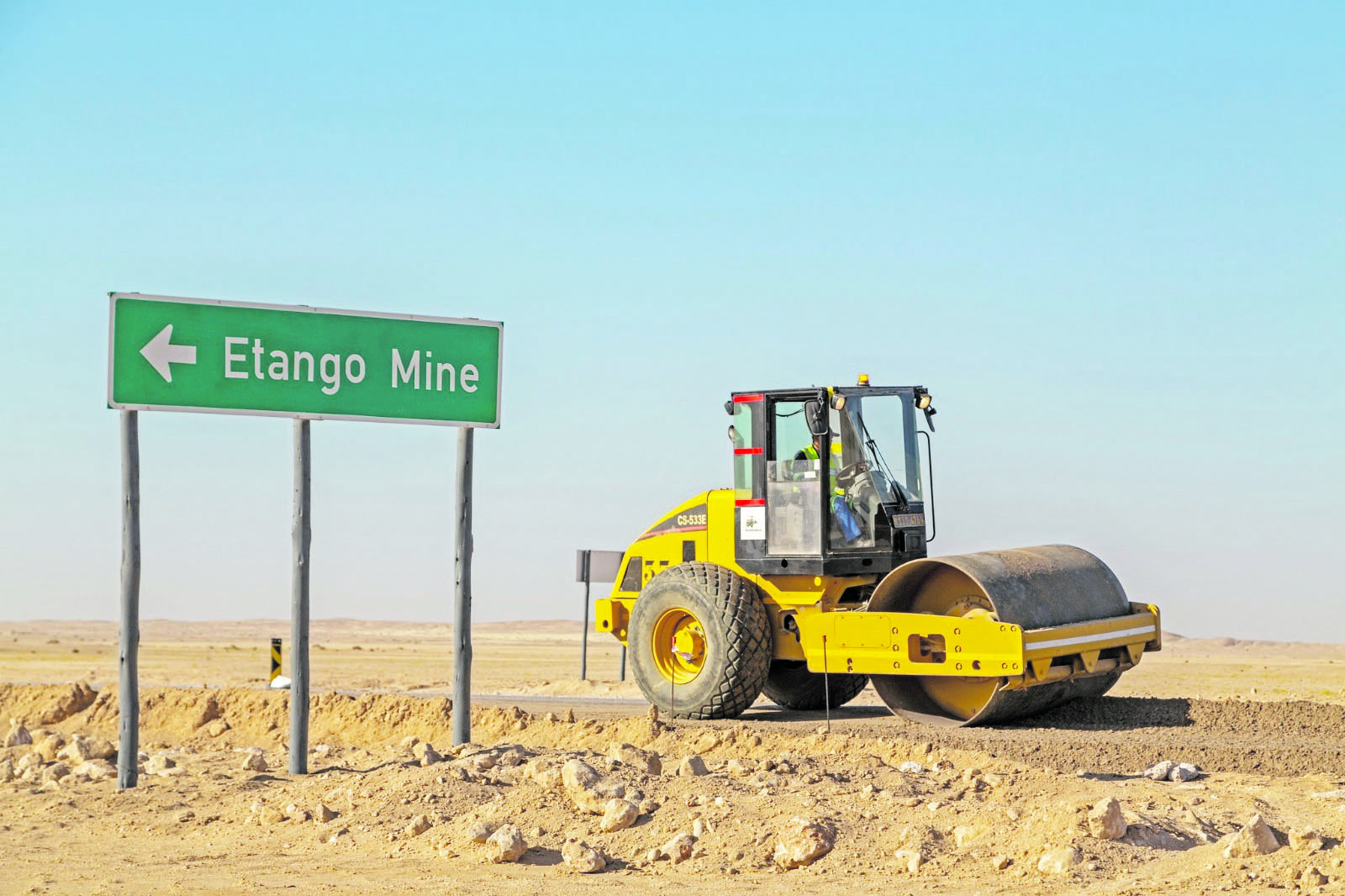
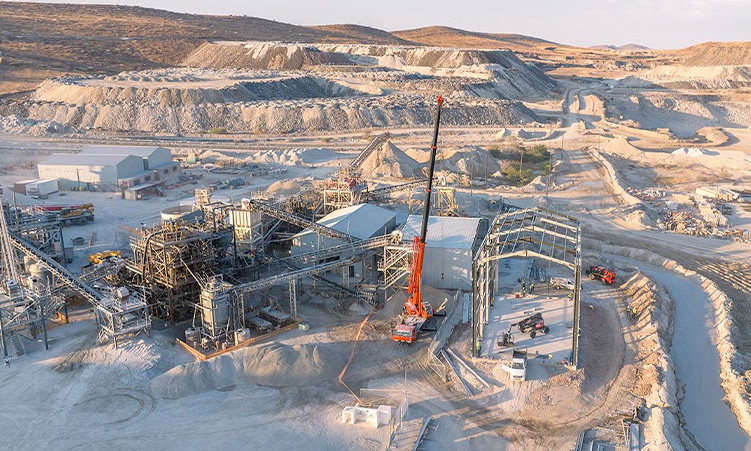
The amendment bill also makes significant changes to the process of applying for environmental clearances for projects.
Applicants will have to develop closure and restoration plans. They will pay a bond to the government, which will be given back to them if they restore the land according to the plans.
Proponents will also apply directly to the environmental commissioner instead of through separate line ministries, while the certificates will now last up to five years rather than three.
According to environmental commissioner Timoteus Mufeti, the ministry aims to send the bill to the National Assembly in early 2027.