




A trio of new Namibian films, a rambling call to audition for a telenovela and the question of which local song would make a great movie were just some of the highlights from a recent ‘Cinemaverse’ under the stars.
Hosted by Goethe-Institut Namibia in Windhoek, the event celebrated young Namibian filmmaking powerhouses Ndakalako Shilongo (‘Momeya’), Imãn Ayisha (‘The B2 Passage’) and Jenny Kandenge (‘Tsek’) with a screening of their films in the institute’s parking lot.
While a wintry open-air movie night is certainly a choice, bags of free popcorn and pours of warming glühwein did much to thaw the crowd who settled in to watch a season of ‘Tsek’.
Written and produced by Kandenge, the offbeat and endearing Inchiology Studios production recently won best web series at this year’s Namibian Theatre and Film Awards (NTFAs).
‘Tsek’ follows the exploits of a ‘moegoe’ named Joonas as he tries to get to work on time despite talking dogs, run-ins with gangsters and familial drama.
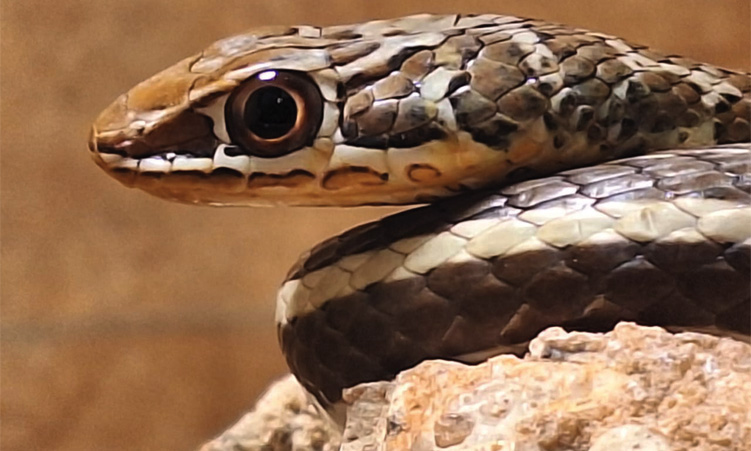
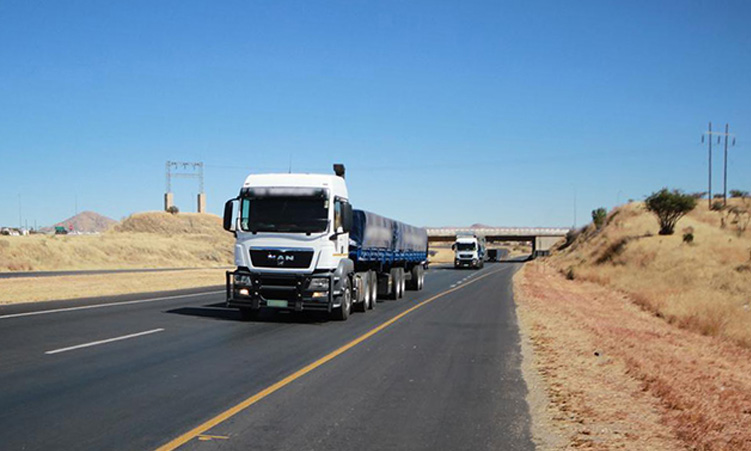
After the comedic hijinks of ‘Tsek’, next to hit the screen was writer and producer Imãn Ayisha’s ‘The B2 Passage’. Reimaging local folklore, the film brings the legend of the hitchhiking bride to life in a thrilling ghost story set on the B2 road.
‘The B2 Passage’ recently won best short film at the NTFAs.
Last yet not least was writer and director Shilongo’s vivid, zero-dialogue fantasy ‘Momeya’, which sets its story on the banks of a river where a powerful water entity and a local girl meet and eventually step into their power. ‘Momeya’ was nominated for best short film at the NTFAs and has garnered significant international recognition.
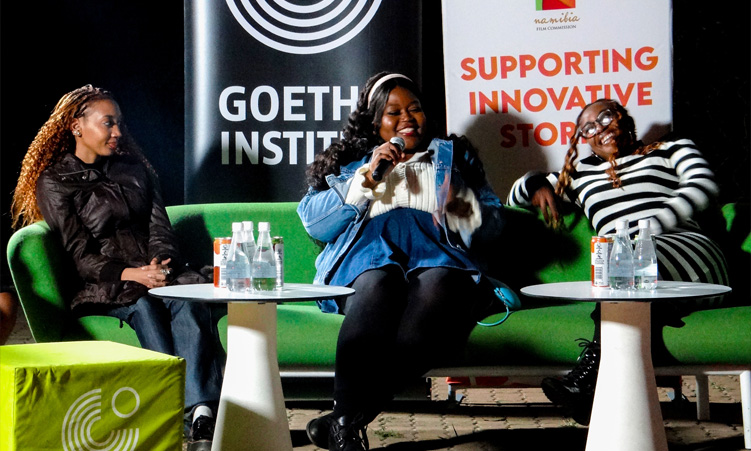
After the heartily received screenings, the filmmakers gathered for a panel discussion hosted by theatre and film practitioner Victoria Sanyime. The three filmmakers were joined by celebrated actress Hazel Hinda, who won best female actor in film for her role in the NTFAs’ best feature film ‘Speel Aan’.
Fielding audience and Sanyime’s questions on craft, the featured women filmmakers settled onto a green couch to expand on the work, the wonder and the chaos of local filmmaking.
Speaking on initially self-funding her film, Shilongo took us behind the scenes of ‘Momeya’, which was shot in a remote area, 30 kilometres outside of Windhoek. Production involved Shilongo making breakfast for the cast and crew, sewing costumes, paying for an actress’ swimming lessons and pushing a stuck bus in the dead of night.
“We shot the film eight months apart because we raised funds, we went to shoot, ran out of funds, went to save more money and then came back to shoot,” she says.
“Our funding from the Namibia Film Commission came while we were in post-production. So that’s when we are able to finally pay for sound design and all the other elements that tied it together,” she says.
“I always say I got so lucky to get a team that was extremely passionate and they were willing to go above and beyond what we have because they believed in the story.”
While Ayisha received praise from actors in ‘The B2 Passage’ for her detailed and inspiring script, an anecdote the screenwriter shared from filming surely suggests kudos for the film’s costume designer and hitchhiking bride actress, Khadijah Mouton.
“People kept stopping for the bride,” says Ayisha.
“People genuinely thought this bride needed help reaching her wedding. It’s quite weird as well because the original legend is you should not stop for her.”
For Kandenge, the funniest moment of filming ‘Tsek’ was shooting a finger-gun fight replete with a broom-wielding aunty and children asking to be extras.
Similarly, Hinda took a moment to consider Namibian crowd control and the fact that at any given moment you may have someone yelling “ek wil ook deel wees!” and “wat maak julle?” as you try to film a scene.
Reflecting on what people most misunderstand about local filmmaking, the women creatives got candid.
In Kandenge’s experience, people underestimate how much time and mental and physical energy go into filmmaking, even if it’s a short film. According to Shilongo, people aren’t often aware of the vulnerability that comes with telling a story.
“We are in the ‘Land of the Brave’. And filmmakers, performers, creators, to be in this space, in this country, I know we are the bravest,” says Hinda.
“I don’t think it’s appreciated how much effort, creativity, time and resources go into (filmmaking), even when it’s 10 minutes,” she says.
“I wish Namibians in general start to understand that, and funders, especially. But I also know we have to stretch the dollar.”
Cinemaverse is Goethe-Institut Namibia’s bi-monthly open-air film screening programme showcasing a curated selection of films from Namibia, the African continent and Germany.
“The women featured in this edition bring a fresh, bold and evolving perspective to storytelling. Altogether, the work of these filmmakers is pushing boundaries, both visually and narratively, and expanding what we understand Namibian cinema to be,” says Goethe-Institut Namibia cultural programme coordinator Michelle Namases.
“At its core, Goethe-Institut is about making arts and culture accessible in everyday spaces,” Namases says.
“Given how cold it’s been, we honestly didn’t expect such a strong turnout for an outdoor event, but it just goes to show how hungry the public is for local content.”