Africa’s crisis is often blamed on others.
China exploits Africa. The West manipulates Africa. Russia returns through strategic interest.
Foreign companies extract minerals. International institutions discipline African economies. External powers interfere, advise, finance, pressure, sanction and manage.
Much of this is true. But it is not the full truth.
The deeper problem is not that foreign powers pursue their interests. Serious powers always do.
China pursues Chinese interests. The West pursues Western interests. Russia pursues Russian interests. Every serious actor enters Africa through interest, not charity.
The scandal is not that they come with interests. The scandal is that Africa often receives them without sufficient order.
Africa is not poor because it has nothing: it has minerals, land, labour, youth, culture, memory, strategic geography and immense spiritual force.
Africa is poor because of what it has too often not gathered into disciplined structure. Its resources are negotiated away by fragmented leadership, weak institutions, corruption, dependency, short-term thinking, and political elites who often govern without civilisational seriousness.
WE’RE ON OUR OWN
Africa must stop waiting to be rescued. No one is coming to save Africa.
Not China. Not the West. Not Russia. Not the United Nations. Not sentimental speeches about partnership.
Africa’s future will not be secured by resentment alone. It will be secured by order.
China offers an uncomfortable lesson. Before becoming the workshop of the world, it absorbed industrial assistance from the Soviet Union.
Later, it absorbed Western manufacturing systems, capital, technology, supply chain discipline and access to global markets.
China did not rise by rejecting foreign systems. It rose by studying them, adapting them and bending them toward Chinese interest.
That is the part Africa must study carefully.
China did not merely copy products. It studied systems. It learned the structure beneath industrial power: production, logistics, engineering, planning, state coordination and strategic patience.
Many nations copy. Few convert copying into capacity. China copied with discipline.
THE DEEPER ISSUE
The West also helped manufacture Chinese power. Western corporations did not move factories to China because they were tricked.
They moved because they wanted cheaper labour, higher margins and access to a massive market.
In pursuit of profit, they carried much of their industrial body into China. China studied it, refined it, scaled it and eventually became a civilisational competitor.
The West wanted cheap labour. China wanted national ascent. Those are not the same levels of ambition.
This distinction matters for Africa. A country can attract investment and still remain dependent.
It can sign contracts and still have no strategy. It can export minerals and still fail to industrialise.
It can host foreign companies and still learn nothing from them. China understood that foreign presence must be converted into domestic capacity.
Africa too often allows foreign presence to become extraction without formation.
This is why the issue is not simply China’s arrogance or Western hypocrisy. The deeper issue is African bargaining weakness.
Foreign powers behave differently where consequences are serious.
They behave differently where institutions are strong, courts are independent, contracts are scrutinised, labour laws are enforced and leaders are not cheaply bought.
If external actors disrespect African countries, the question is not only why they are arrogant. The harder question is why the environment is permissive.
Weak leadership teaches outsiders what they can get away with.
Corrupt officials teach outsiders the price of access. Disordered systems teach outsiders where pressure can be applied.
CONTROVERSY AND SYMBOLISM
Africa does not lack bargaining chips.
It has cobalt, uranium, oil, gas, diamonds, lithium, gold, arable land, young populations, ports, votes, markets and strategic geography.
Africa does not lack material leverage. It lacks organised leverage. A resource without order becomes someone else’s opportunity.
Even the controversy around the Chinese-built African Union headquarters should be read symbolically.
The deepest question is not only whether allegations of surveillance were true.
The deeper question is why the central house of African unity had to be built by an external power in the first place.
A headquarters is not merely a building. It is the architectural body of an institution.
If the house of African unity depends on external construction, external finance, external technology and external infrastructure, then the symbolism is already troubling.
THE GADDAFI FACTOR
Africa must build its own house.
Not only physically. Institutionally. Technologically. Financially. Strategically.
This is where Muammar Gaddafi’s memory is difficult to ignore.
Gaddafi was not a simple figure. He was authoritarian, disruptive, visionary, contradictory and deeply consequential.
Any serious analysis must resist turning him either into a saint or a cartoon villain.
Whatever one thinks of him, his panAfrican instinct identified something true: Africa cannot remain fragmented and expect to be treated as a civilisational equal.
Gaddafi understood that African fragmentation was not accidental.
It was the continuation of colonial logic through postcolonial borders, weak currencies, divided markets, dependent militaries and externally influenced institutions.
His support for African unity, financial independence and continental coordination challenged a world order that benefits from African division.
Africa does not need nostalgia. It needs structure.
The unfinished question remains: can Africa become one serious negotiating body, or will it continue to be managed as fragmented parts?
Sovereignty is not merely a flag, an anthem, a border, or a seat at the United Nations. Real sovereignty requires order.
A sovereign nation must feed itself, defend itself, educate its people, govern its resources, discipline corruption, enforce contracts, build infrastructure, negotiate intelligently and think beyond election cycles.
HARD QUESTIONS
Without order, sovereignty becomes theatre.
This does not deny colonialism. It does not excuse Western exploitation.
It does not ignore Chinese opportunism. It does not pretend global systems are fair.
But none of those realities can be confronted seriously by a continent that refuses internal discipline.
Africa must study what was done to it. It must expose what is still being done to it.
But Africa must also ask what it is doing to itself. That is the harder question.
The future does not belong to the most wounded. It belongs to the most ordered.
Africa’s task is not to reject the world. It must trade with China, the West, Russia, India, Türkiye, the Gulf states, and every serious power. But it must do so from order.
It must become difficult to bribe, difficult to divide, difficult to intimidate, difficult to manipulate, and difficult to manage from outside.
This requires more than speeches.
It requires institutional reform, civic formation, disciplined leadership, regional integration, industrial policy, education aligned with production, continental infrastructure, and a moral revolution among African elites.
LEADERSHIP COUNTS
Africa must stop producing leaders who beg in public and steal in private.
It must stop confusing foreign loans with development. It must stop celebrating infrastructure without asking who owns the terms.
It must stop exporting raw materials and importing finished dependency. It must stop acting as though partnership means surrendering strategic control.
No external power is morally obligated to organise Africa’s future more responsibly than Africa itself.
That is not cause for despair. It is cause for maturity.
The world respects order. The world negotiates with strength. The world exploits weakness.
This is not sentimental but it is real. Africa must stop waiting to be rescued. It must become formed enough to stand.
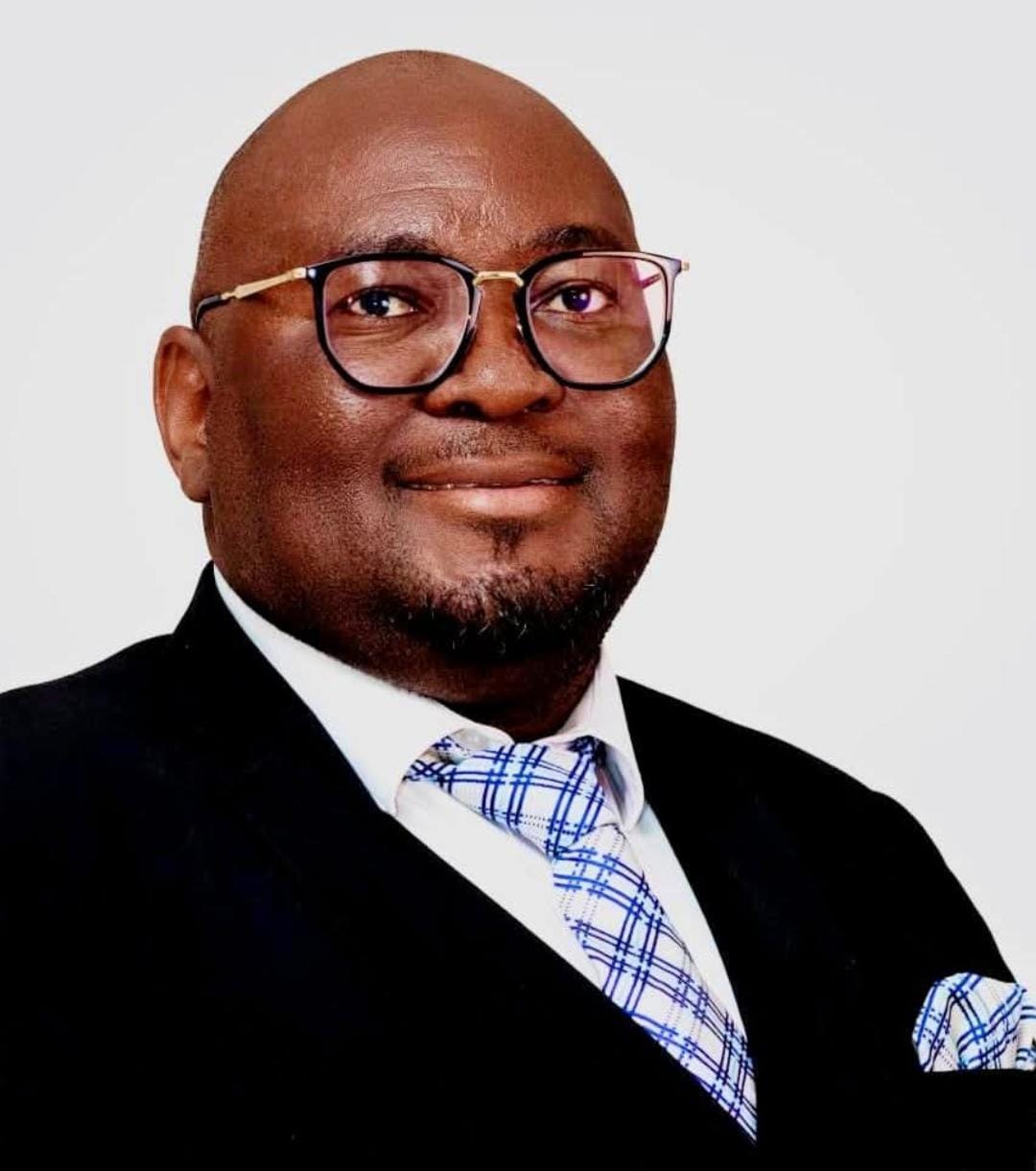
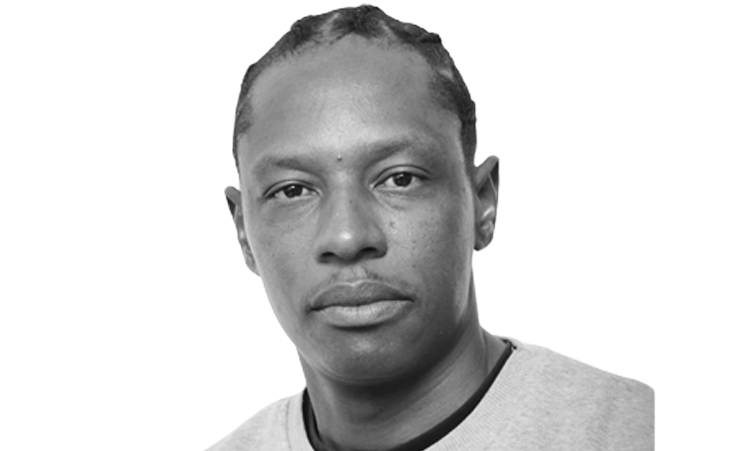
* Ismael Ashipembe is a Namibian lawyer, author and founder of Structural Polarity Advisory. His work focuses on order, formation, leadership and moral responsibility.