





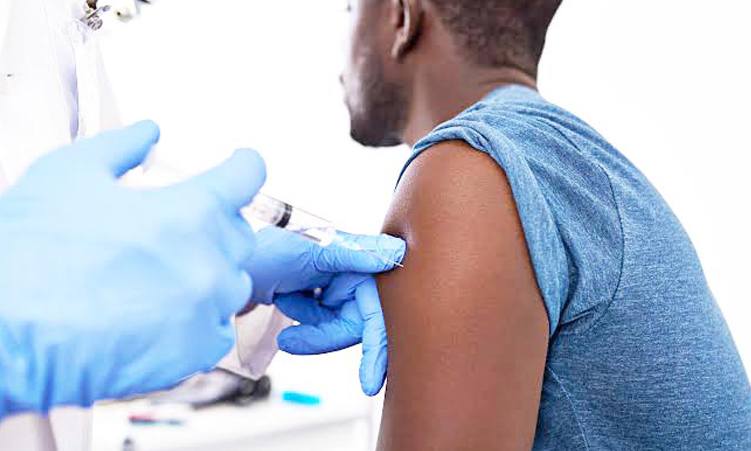
Boys should also receive the human papillomavirus vaccine to reduce transmission of the virus and protect them against HPV-related diseases, an expert says.
Dr Cornelia Ndifon says human papillomavirus (HPV) vaccination should not be viewed as applicable to girls only, as boys can also acquire and transmit the virus and later develop HPV-related diseases.
“Because they transmit the virus, if they are vaccinated, they will not acquire any virus to transmit,” she says.
She says men can develop penile cancer and genital warts, making vaccination important for both sexes.
HPV is commonly transmitted through sexual contact, including intercourse, non-penetrative sex and direct skin-to-skin contact, while infection can also occur through indirect contact such as clothing and skin.
Ndifon says many people infected with HPV do not show symptoms, making prevention and screening particularly important.
She says about 90% of sexually transmitted HPV infections clear up by itself, while about 10% persist and can cause changes to cervical cells that may eventually develop into cervical cancer.
“The vaccination is just too important to ignore. It prevents cervical cancer and reduces the incidence of other HPV-related diseases,” Ndifon says.
She says persistent infection with high-risk HPV types, particularly types 16 and 18, is the biggest risk factor for developing complications.
HPV-related cervical cancer can take between five and 10 years to develop in women living with HIV and 15 to 20 years in women who are HIV negative where persistent high-risk infection is present, the doctor says.
She says people who are already sexually active can still benefit from HPV vaccination because the available vaccines protect against nine HPV types.
Vaccination does, however, not replace cervical cancer screening.
“All women who are sexually active must continue with cervical cancer screening according to the established schedule,” Ndifon says.
She says the vaccine is intended to prevent new HPV infections and urges continued efforts to address misconceptions about its safety.
Ndifon says concerns that HPV vaccination affects fertility or causes early menopause are not supported by evidence.
She also cautions against using HPV testing to determine whether a partner has been unfaithful, saying laboratory tests cannot establish when an infection was acquired or identify who transmitted it.
Ministry of Health and Social Services spokesperson Walters Kamaya encourages parents and caregivers to ensure girls aged nine to14 years receive the HPV vaccine.
“The HPV vaccine provides important protection against HPV infections that can cause cervical cancer later in life. By vaccinating our girls today, we are protecting their health and contributing to a future free from cervical cancer,” he says.
Kamaya says vaccines are available free of charge at all health facilities and are part of the routine immunisation schedule.