






A homegrown catnip lotion has proven ‘just as effective as diethyltoluamide (Deet)’ as a mosquito repellant in trials carried out in Uganda.
Catnip is a common herb from the mint family.
The chemical in the plant that causes feline euphoria – nepetalactone – also has insect-repelling properties but this has not previously been commercialised.
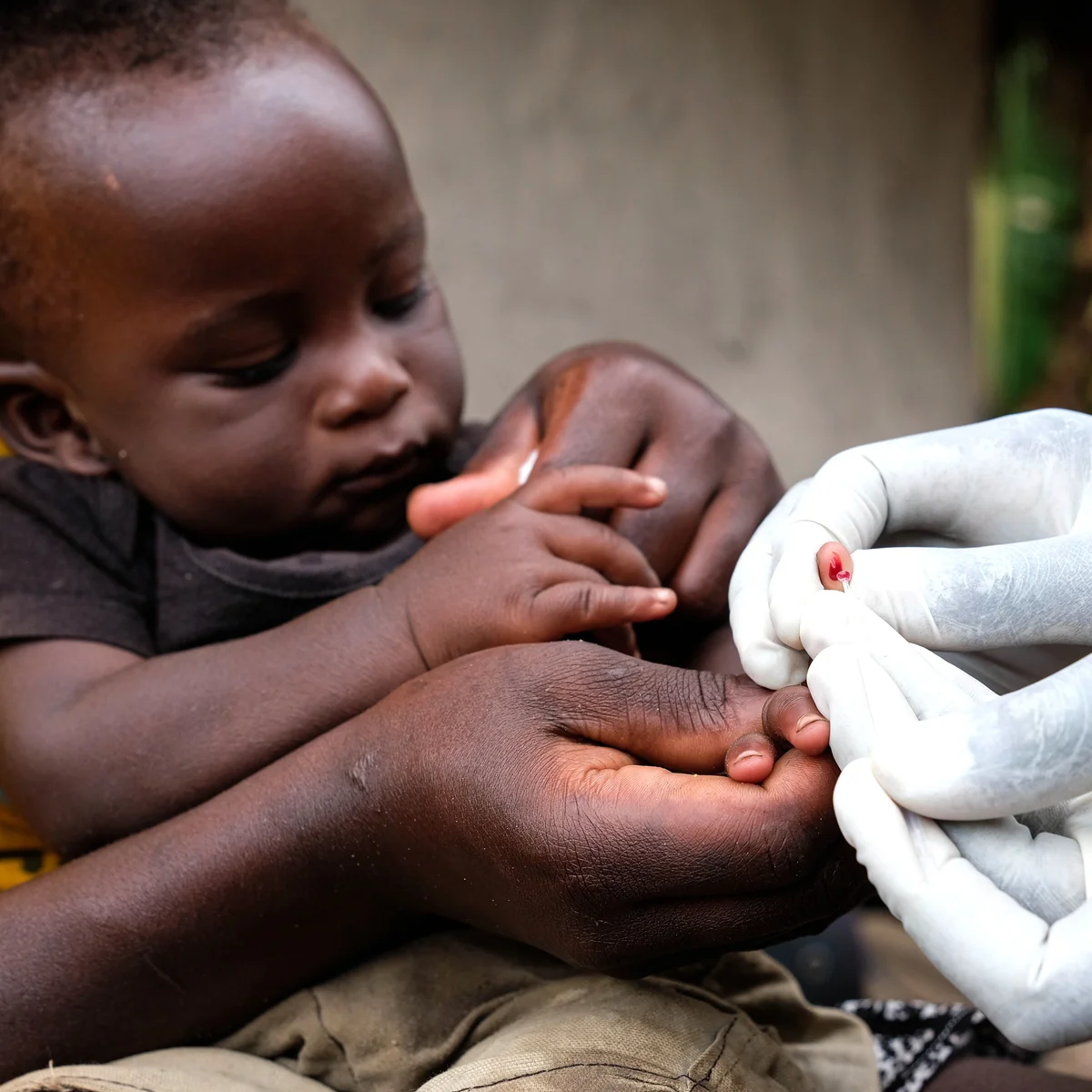
New tools are vital in the fight against malaria, which infects about 282 million people a year and killed 610 000 in 2024 – the majority of them young children in African countries.
There are concerns about rising resistance to insecticides, as well as the frontline drugs used to treat the disease.
In a study presented at the Society for Experimental Biology conference in Florence last week, a team working between Uganda and Wales found mosquitoes seeking a blood meal were less likely to land on people wearing lotions made from catnip.
Cardiff University lecturer Simon Scofield says: “We found that a 6% catnip oil was just as effective as Deet, and the 2% catnip oil was only marginally less effective than that.
“Deet is out of the price bracket for most rural Ugandan subsistence farmers, so buying commercially available mosquito repellents is just not practicable,” he says.
Whether or not local cats were more likely to follow lotion wearers was not part of the research, Scofield says.
Researchers successfully tested the catnip repellent in the field in eastern Uganda by checking how many mosquitoes landed on volunteers’ legs over an evening.
Some volunteers used Deet, some used a lotion with 2% concentration of catnip, others a 6% catnip lotion, while others used placebo creams.
The research established that the lotion could be made locally by a community enterprise.
So far it has been distributed for free using grant funding, but the next phase of the project will see production increased and the lotion sold to create a sustainable income for workers.
“Once we know that we can sell and distribute the repellent at a low cost, that should generate a self-sustaining system where the money is flowing back to everybody at each stage in the development,” says Scofield.
The Deet lotion used for comparison in the trial contains 15% Deet and is the most widely available in Uganda.
Swai Kyeba, a research entomologist from the Ifakara Health Institute in Tanzania who was not involved in the study, says: “New vector-control tools are necessary in the fight against malaria, especially those that are cheap and locally produced, to help improve accessibility.
–
– The Guardian