A Marine biodiversity consultant has supported a recent opinion from a senior official in the Ministry of Agriculture, Fisheries, Water and Land Reform that more research needs to be done to uncover what the world’s oceans hold for humanity.
Rod Braby says while some work has been done to explore the ocean’s resources, a lot of work still needs to be carried out.
“In Namibia, there has been some work done on sensitive areas in our ocean and there were recommendations on what should be done about these areas, but we are not following up these recommendations,” he says.
During a national event to commemorate the 2026 World Oceans Day in Namibia earlier in the year, ministry director for marine ecosystems and fisheries research Grace D’Almedia said there is a lot humanity does not know about oceans as only 10% of the ocean has been explored.
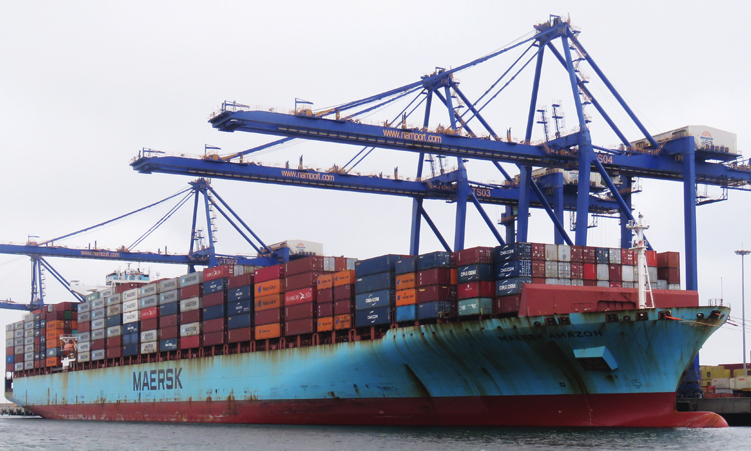
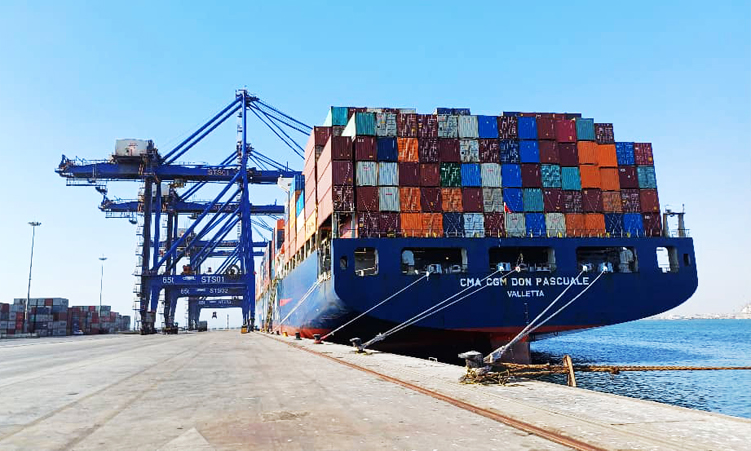
She said currently the ocean-based economy is valued at US$2.6 trillion, with marine transport accounting for 80% of global goods and marine tourism projected to reach US$400 billion by 2030, while the fisheries sector generates US$24 billion annually.
“If you look at many ports, they are congested,” she said.
D’Almeida said marine-based energy and resources, such as oil and gas, offshore wind and wave and tidal power, are also growing rapidly.
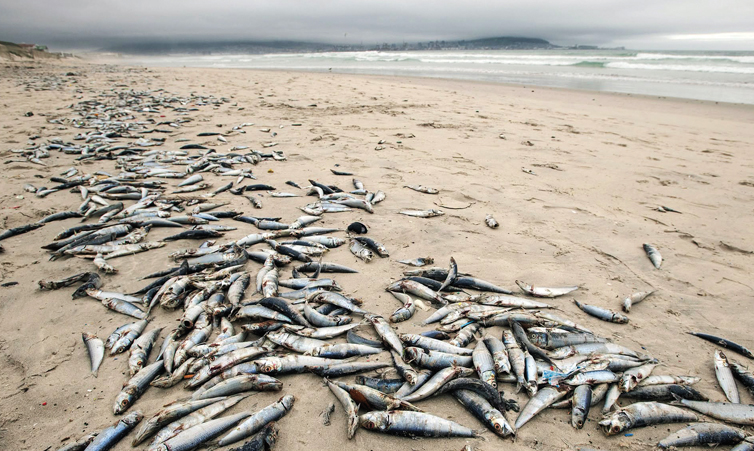
She said some of the challenges facing the ocean are the spread of alien invasive species, plastic waste, eutrophication, illegal, unregulated and unreported fishing and climate change.
She said there is a need for strict measures to preserve the ocean by transitioning to the blue economy concept.
“Let us preach ocean conservation.
Let us protect our blue economy and life on earth,” she said.
Debmarine Namibia manager for mineral resources Godfrey Ngaisiue says the company has put in place an environmental management plan to ensure that the impacts of its marine mining activities are minimised and in compliance with legal requirements.
He says thus far, their mining activities have only impacted 4% of the area in which they are mining, adding that sediments taken from the ocean are put back onto the ocean floor so that mined areas are rehabilitated.
Ngaisiue says Debmarine Namibia has supported social and environmental initiatives, such as supplying benthic samples to the ministry and the University of Namibia, participating in coastal biodiversity activities and coastal clean-ups, and running marine conservation awareness campaigns.
Carolin Mutorwa from the Namibia Nature Foundation says marine and coastal environments provide a number of services to the people.
“We really depend on our oceans,” she says.
Mutorwa says the government has implemented a number of measures towards ocean management, but while there are some Marine Protected Areas in Namibia’s Atlantic waters, only 1% has been proclaimed as such.
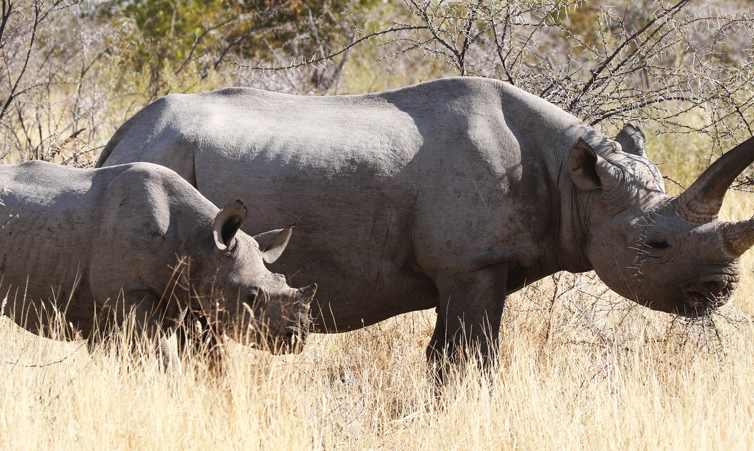
She says some of the emerging challenges facing ocean management in Namibia are offshore development and the loss of marine biodiversity.
This year’s World Oceans Day was held under the global theme ‘Reimagine: Beyond the World We Know – A New Relationship with Our Ocean’.