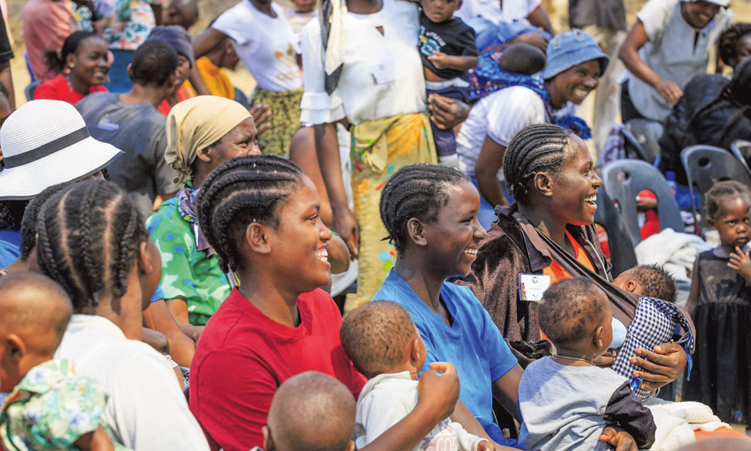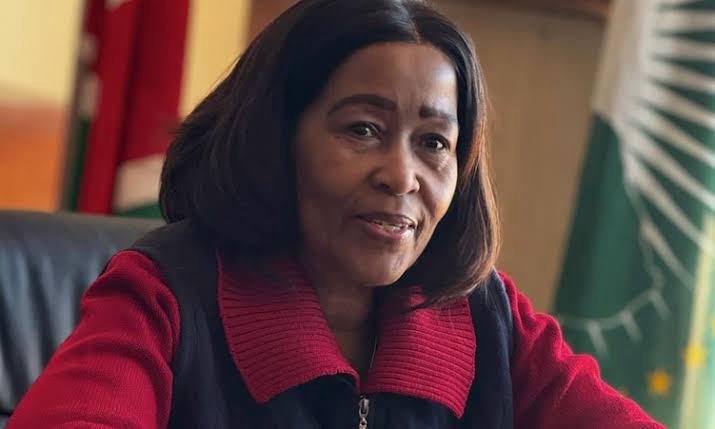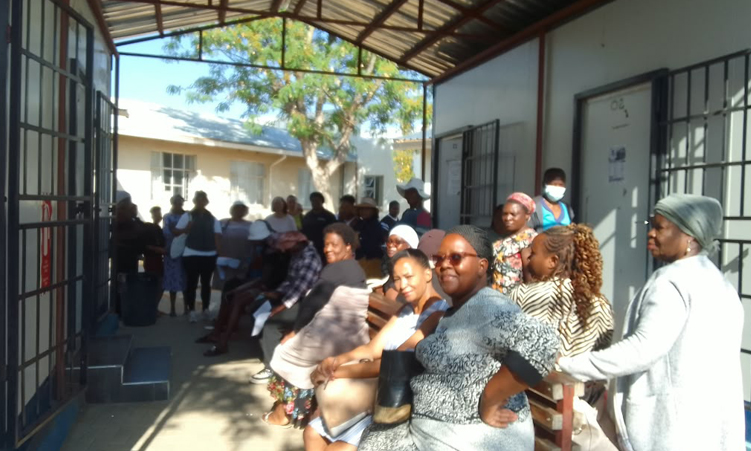
Breast cancer patients should be given space to share their individual experiences, as no two diagnoses, treatment journeys or outcomes are the same, Cancer Association of Namibia chief executive Rolf Hansen says.
Hansen was speaking ahead of Breast Cancer Awareness Month, observed globally throughout October.
This year’s World Health Organisation (WHO) theme is ‘Every Story is Unique, Every Journey Matters’, highlighting the different experiences of people affected by breast cancer and the need for timely diagnosis and quality care.
Hansen said the theme emphasises the importance of listening to patients and recognising that breast cancer cannot be treated as a single experience.
“Even when you have two breast cancer patients, we tend to generalise and to just say, oh, it is a cancer patient. Oh, it is another breast cancer case. They are not,” he said.
He said breast cancers can differ in type, treatment intensity and prognosis, which can influence how aggressive treatment needs to be.
Hansen said patients’ experiences are also shaped by factors beyond their diagnosis, including cultural, socio-economic and religious circumstances, as well as access to treatment.
“There are the cultural, socio-economic, religious aspects, geopolitical situations, access to treatment. And so we need to recognise that the individual, their journey is important,” he said.
He said sharing patients’ experiences could help influence future cancer care and encourage policymakers to listen to the concerns of those affected by the disease.
“We need to tell their story, and it is unique, it’s not a blanket covering that you can do and say, oh, it’s just breast cancer,” Hansen said.
The WHO says breast cancer remains the most common cancer among women globally.
In 2024, about 2.4 million women were diagnosed with breast cancer and 694 000 died from the disease worldwide.
The organisation also says major inequalities in breast cancer survival persist, with access to early diagnosis and effective treatment varying significantly between countries.
Hansen said governments, therefore, need to ensure that resources for breast cancer treatment are adequately protected.
“A general budget for cancer, a general budget for breast cancer treatment is not an option. It should be ring-fenced, it should be specially allocated so that the best possible treatment outcomes are available for women,” he said.
The WHO has called on countries to make breast cancer services part of essential benefit packages under universal health coverage and to improve access to early detection, timely diagnosis and comprehensive treatment.