


For many, the art of applying make-up and knowing what goes where and how is a skill they’ve mastered through years of trial and error in front of a mirror and by watching make-up tutorials.
For others, it is an impossible task that they can never get right and for a few who go to school and learn the trade, it is a skill that is honed and perfected.
The will look at a career in the lovely world of beauty.
Make-up artists are the people who make everybody else look prim, proper and pretty. They are the ones who apply make-up and prosthetics for theatre, television, film, fashion shows, magazines editorials and other productions involving the modelling and beauty industry.
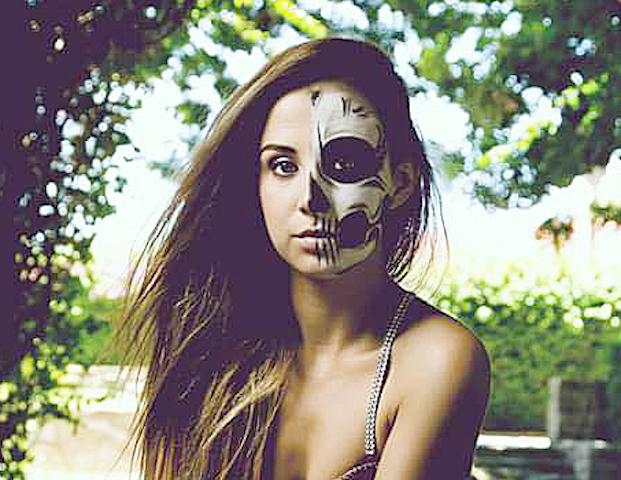
In Namibia, one such make-up artist is freelancer, Nicole Benade (20), who works with news presenters on television, showgirls, for matric farewells and on photo shoots.
Nicole studied at Prestige College in South Africa and now holds a higher certificate in design, film and TV make-up. The options for this career path are countless. Her course was one-year long but there are others who opt for the three-year course that goes into even more depth and detail.
In Namibia, there are schools and training opportunities like Shadonai Beauty School who specialise in a wide range of courses from the make-up on your face to the pedicure on your feet.
There are no formal prerequisites for studying the craft, but a knowledge of art and how colours work and mix could aid you.
“What helped me was having an art background in high school. We did a lot of colouring-in and shading and because I had the background, it was easy for me. But it’s not absolutely necessary,” says Nicole.
On the upside of being a professional make-up artist, Nicole says she enjoys the benefit of job satisfaction and being able to know that she has satisfied her clients, as well as watching her own progress as she grows as an artist.
“I know it just seems like a bit of foundation or a bit of make-up, but it’s not. You’re transforming a person and the appreciation they have for you is great.”
Other benefits are that, with enough practice, it is not so difficult to learn, you are able to express yourself through the medium of the human body by creating beautiful art and you onstantly meeting new people.
However, with the good, there are also some disadvantages to working in an industry that also partly relies on the television industry. In Namibia, because film and television are still growing and special effects make-up is not yet mainstream, so securing regulars can sometimes be problematic.
To combat this however, Nicole suggests having a variety of skills across the spectrum rather than focussing and perfecting one area like special effects make-up or photo shoot make-up for instance.
Another downfall is are that it is a competitive market that could be hard to break into, as Namibians tend to be brand loyalists to older well-known professionals.
“You have to really try to do your best to get your name out there,” says the young Nicole who has faith as she is “working towards getting out there and bringing a fresher, more youthful approach to doing make-up.”
Once you have the qualification, the options you could pursue are plentiful. From special effects make-up for film, television and theatre including for actors in series and soap operas to news presenters, as well as retail make-up who work with and advise customers in stores. You could also do bridal and special effects make-up artist like adding bruises, gashes and scars to the skin for films or theatre, as well as beautifying for photo shoots and everyday looks.
“[After you study] do workshops and go further. It really does pay off.” Nicole says.
Although it is still a slow growing industry in Namibia, Nicole believes it is a path worth pursuing. She is inspired by everyday things and people and the other young make-up artists and photographers she gets to work with.
Trying to do this thing where I do out of the box, creative photo shoots, is important for the industry because, “every woman, and sometimes the men that I work with, also want to look a little more beautiful or handsome once in a while. Be it for themselves, other people or events,” Nicole elaborated.
In an age of information overload, Sunrise is The Namibian’s morning briefing, delivered at 6h00 from Monday to Friday. It offers a curated rundown of the most important stories from the past 24 hours – occasionally with a light, witty touch. It’s an essential way to stay informed. Subscribe and join our newsletter community.

The Namibian uses AI tools to assist with improved quality, accuracy and efficiency, while maintaining editorial oversight and journalistic integrity.
Stay informed with The Namibian – your source for credible journalism. Get in-depth reporting and opinions for
only N$85 a month. Invest in journalism, invest in democracy –
Subscribe Now!