Lawmakers have proposed the creation of an “absentee urban landlord” category that could lead to higher levies and possible acquisition of urban land for public housing.
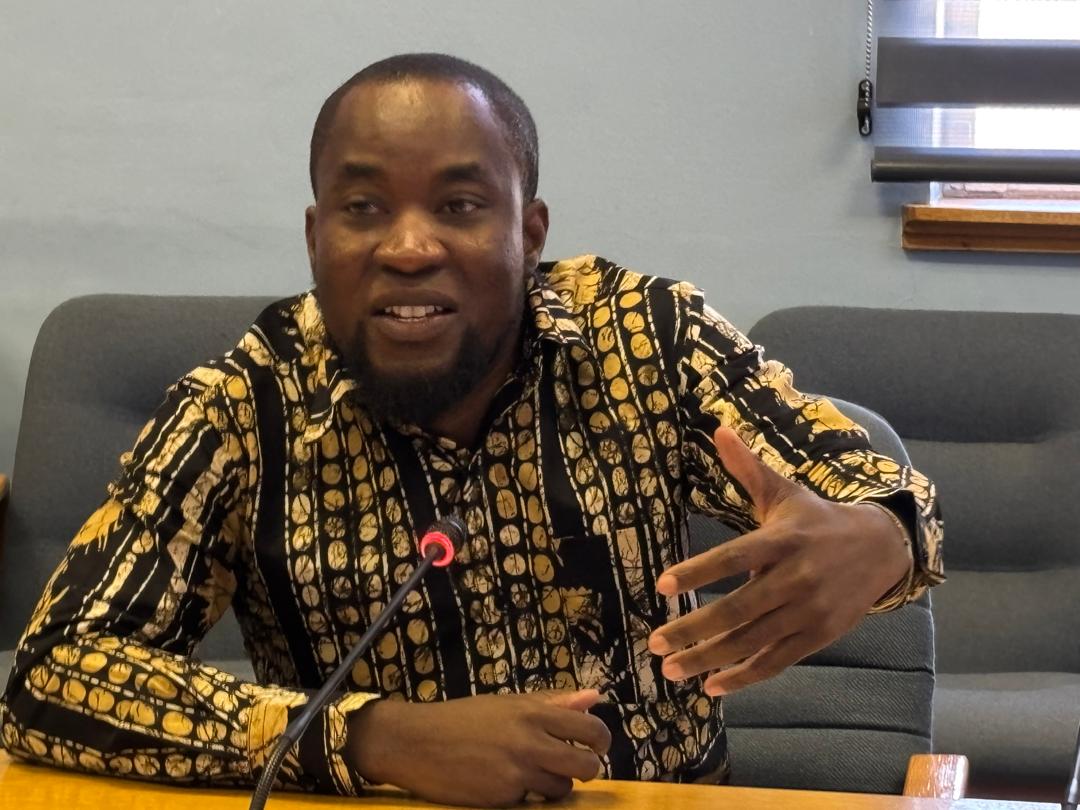
During the debate on the land bill in parliament last week, Affirmative Repositioning chief whip Vaino Hangula said this would apply to individuals and entities that keep serviced land vacant or use property primarily for exploitative rental purposes.
Hangula argued that the current bill fails to confront the realities of Namibia’s urban land crisis because it largely excludes local authority and settlement areas.
He proposed an anti-speculation framework that would impose levies or taxes on vacant and undeveloped serviced land, while introducing progressive limits on property ownership and stricter accountability for urban land held for commercial purposes.
“I propose introducing a framework of levy or tax on vacant or idle serviced land and progressive property holding limits, requiring strict accounting and records of all urban land owned for capitalist purposes,” he said.
Hangula said the exclusion of urban land from the bill overlooks the struggles faced daily by Namibians affected by homelessness, overcrowding, shack fires and exploitative backyard rental arrangements.
Hangula said Windhoek, Walvis Bay, Swakopmund, Rundu, Oshakati and Otjiwarongo continue to experience a rapid growth of informal settlements as demand for affordable land and housing outpaces supply.
“A land bill that excludes urban land is like a hospital that excludes sick people,” he added.
Meanwhile, Independent Patriots for Change shadow minister for agriculture, fisheries, water and land reform Michael Mulunga proposed regular land audits to assess the productivity of resettlement farms acquired through the Land Acquisition and Development Fund.
“To date, the government has spent millions under this fund to acquire resettlement farms. However, the fund does not make provision for monitoring and evaluation of these farms or land audits,” he said.
He warned that the absence of historical performance data could lead to ineffective policies that simply redistribute unproductive land or disproportionately benefit certain groups.
Mulunga suggested the fund should provide equipment and financial support to beneficiaries whose farms have productive potential but remain underused.
All People’s Party president Ambrosius Kumbwa cautioned against concentrating excessive powers in the executive, particularly in the hands of the minister and committees.
He warned that such powers could encourage unchecked capitalism and worsen poverty, inequality and unemployment.
Kumbwa also raised concerns over provisions allowing the removal of illegal fences on communal land, arguing that they could unfairly favour current occupants, particularly in the Kavango East, Kavango West, Ohangwena and Zambezi regions.
Hangula referred to a petition submitted to parliament on 23 March 2019 by land activists and members of the public, which called for a ban on foreign ownership of urban land, including residential, serviced and unserviced plots.
The petition proposed restrictions on future acquisitions through transparent and constitutionally compliant measures.