





A new government report reveals that girls in Namibia consistently faced higher rates of reported violence than boys over a 10-year period.
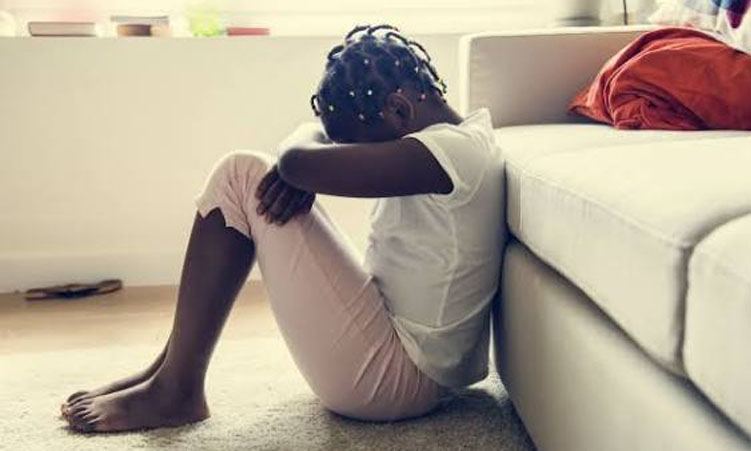
Girls recorded higher numbers of reported violence cases than boys between 2014 and 2023.
This is according to the Namibia Child Care and Protection Statistics Report which the Ministry of Gender Equality and Child Welfare launched yesterday.
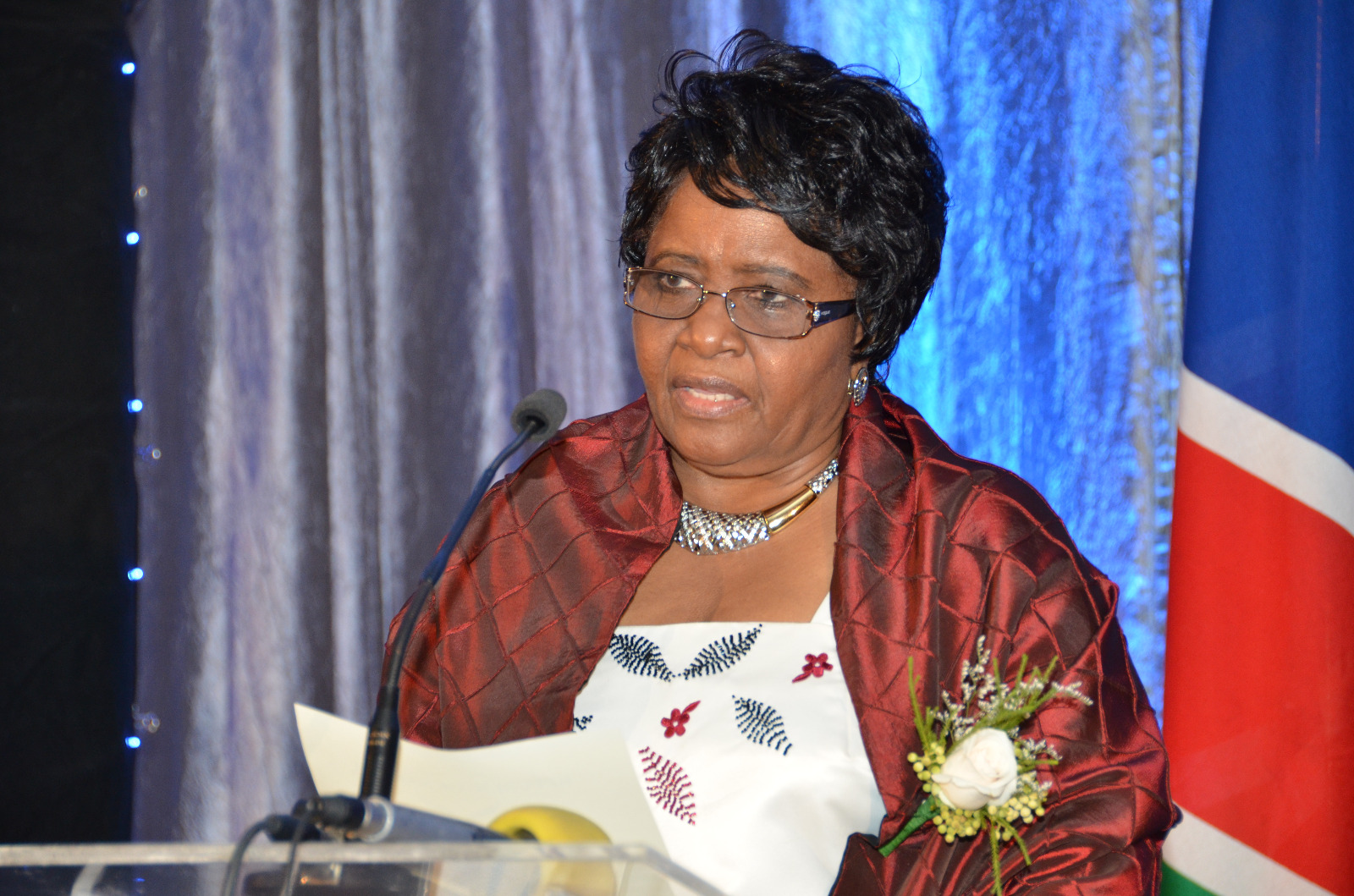
Minister Emma Kantema said the report shows an annual average of 1 252 cases of violence against girls during the 10-year period, compared to 711 boys.
“It provides evidence on the types of cases the ministry has handled through our social workers and the range of services and interventions made available to the children in need of care and protection,” she said.
Kantema said the report offers insight into the cases managed by social workers and support services provided to children requiring care and protection.
The minister said the report should serve as a tool to strengthen intervention and ensure children at risk receive support before situations escalate.
The data covers various forms of violence against children, including kidnapping, neglect, physical abuse, sexual abuse and trafficking.
According to the report, the highest number of reported cases among girls was recorded in 2023, with 1 698, while the lowest number was recorded in 2021, with 677 cases.
The number of reported cases declined between 2019 and 2021, with the report noting the decrease may have been influenced by disruption caused by the Covid-19 pandemic, including lockdowns and reduced access to reporting mechanisms.
The report says the continued disparity between boys and girls may point to differences in vulnerability, exposure to risks or variations in how violence is identified and reported.
Clinical psychologist Shaun Whittaker says the gender disparity in reported cases of violence may be linked to social norms that increase girls’ vulnerability to certain forms of abuse.
He says girls are more frequently exposed to risk, including such sexual violence, exploitation and controlling behaviour, while cases involving boys may be under-reported due to stigma around disclosing abuse.
Whittaker says interventions should include stronger child protection systems, safe reporting spaces and community programmes aimed at addressing harmful gender norms.
German Neumbo, the chairperson of the education and information and communication technology committee for the children’s parliament, at the launch said while Namibia has laws and policies aimed at protecting children, more effort is needed to ensure they are effectively implemented and understood by communities.
“It comes down to the policies and laws and the implementation that’s there, because we can have all these nice policies, but when we don’t practise these policies and we don’t break it down for pupils to understand what it is, then you’ll have a repeated cycle,” he said.
Neumbo said there is also a need to improve awareness of different forms of violence against children, including neglect, which is often not recognised as a form of abuse.