







Africa has launched the African Coalition against land degradation and environmental pollution caused by illegal artisanal and small-scale gold mining on the continent.
The coalition was launched by Ivorian minister of environment and ecological transition Abou Bamba on 25 August on the side-lines of the 17th Conference of the Parties to the United Nations Convention to Combat Desertification (UNCCD) which was held in Ulaanbaatar, Mongolia.
The coalition aims to strengthen cross-border cooperation and information sharing, harmonise policies, regulations and law enforcement mechanisms, and establish a common geospatial platform to map the main illegal gold mining hotspots.
The coalition also seeks to secure funding for land and ecosystem restoration, support communities in developing sustainable alternative economic activities and protect populations while preserving natural resources for future generations.
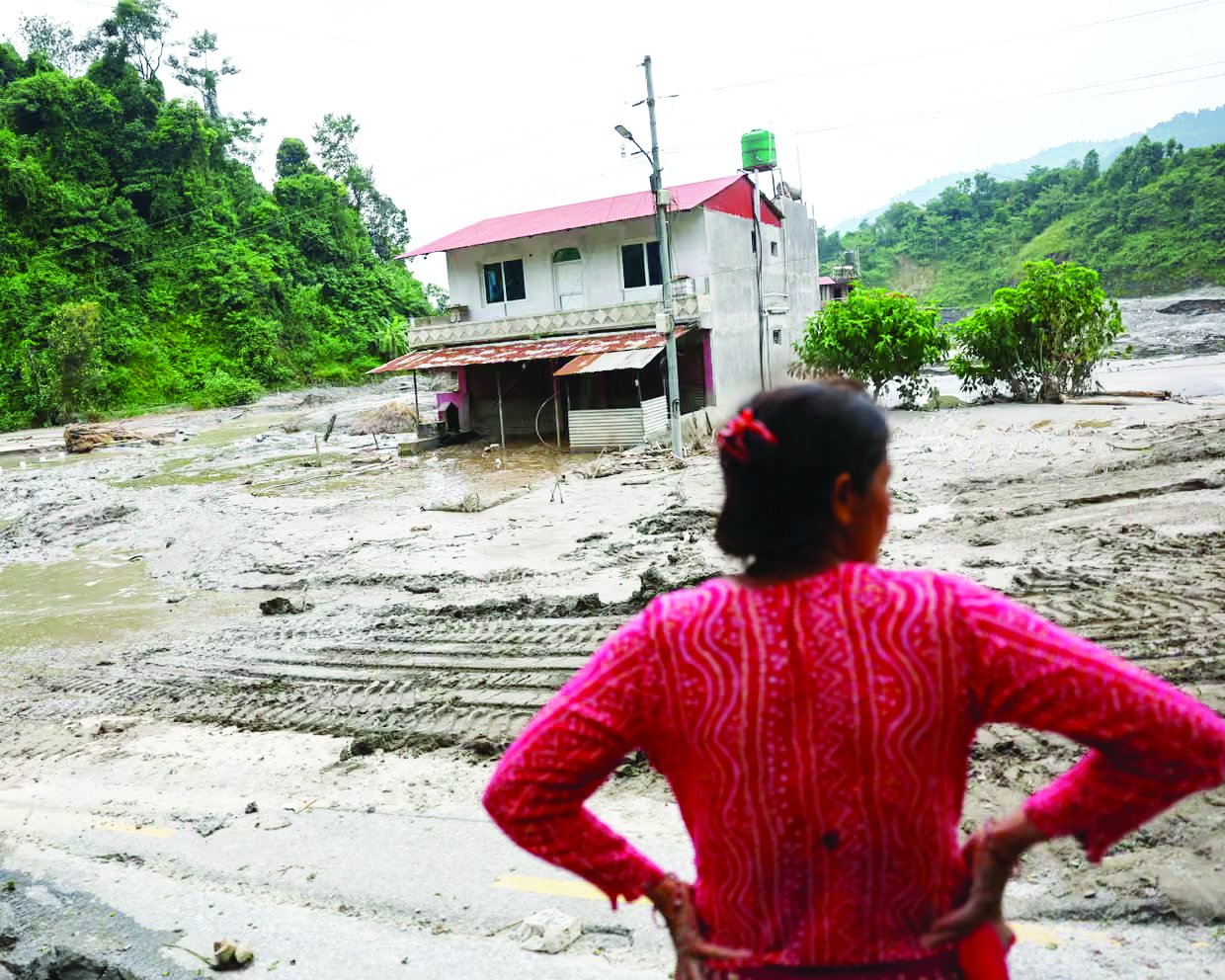
Speaking at the launch, Bamba said illegal gold mining degrades soils, pollutes waterways, destroys forests and ecosystems and threatens the health, food security and livelihoods of millions of people.
“Africa is rising to defend its natural heritage. We are not waiting. We are not just reacting. We are acting. We are not isolated. We are united,” he said.
The director of the development and the rule of law programme at the University of Stellenbosch, Oliver Ruppel, told The Namibian on Friday that the coalition aims to unite African nations to tackle severe soil erosion, toxic chemical pollution and land degradation.
“It addresses severe regional security, health and environmental crises,” says Ruppel.
This initiative, he says, coincides with the model law on sustainable soil management in Africa, which was adopted during the Sixth Ordinary Session of its Sixth Legislature by Members of the Pan African Parliament.
He says the model law provides a comprehensive framework to guide African Union member states in formulating and strengthening national legislation and policies on soil management.
Its primary objectives are to promote the sustainable use and management of soil as a key resource for food and nutrition security and resilience to climate change, and to support strategies for soil conservation, restoration and fertility enhancement to combat degradation and advance the achievement of land degradation neutrality across the continent.