





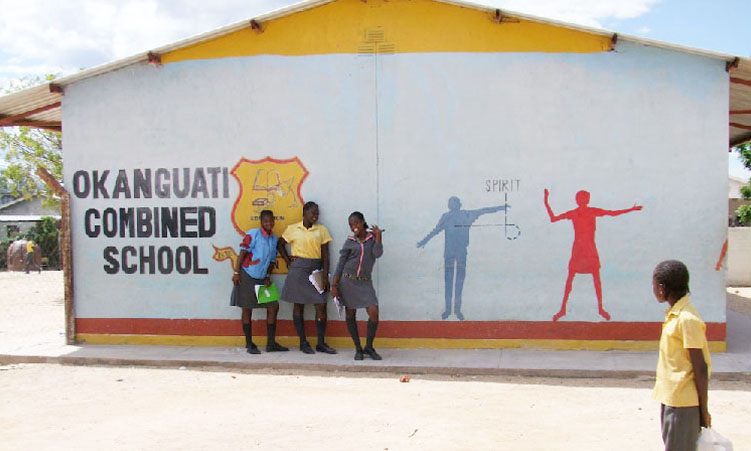
About 900 pupils dropped out of school in the Kunene region so far this year.
This is partly attributed to family relocations and a lack of accommodation at schools.
Kunene education director Sophia Frederick says the region is struggling to keep pupils in school despite progress in getting more children enrolled.
“It is a hurtful truth that the dropout rate in our region is very high,” she says.
She says some schools do not have hostels, forcing children to leave school when their parents move to other areas in search of grazing for livestock.
“In terms of grazing, if parents are leaving, they will still be forced to go with their children that far because they do not have anyone to live with,” she says.
Frederick also cites the instability experienced by farmworkers, who may be recruited and dismissed within short periods, forcing them to relocate with their children.
“A person is recruited today and fired tomorrow, for example. So it’s obvious this person has to go with his or her child,” Frederick says.
She says the region’s proximity to Angola also presents challenges, as some children enrolled in Namibian schools later return to their country of origin.
“They might be enrolled thinking they are Namibian, but in the meantime they go back,” she says.
The Kunene region has, however, made progress in expanding access to education, with the number of schools increasing from 75 in 2024, including five private schools, to 88 currently.
Frederick says the expansion reflects growing community demand for education, particularly in the Ovahimba areas, where most of the additional schools have been established.
She says regional constituencies are helping to explain the importance of education to communities, with residents submitting applications for schools in their areas.
Although some communities do not have enough pupils to meet the requirements for establishing a school, Frederick says their willingness to seek educational facilities show a growing appreciation of education.
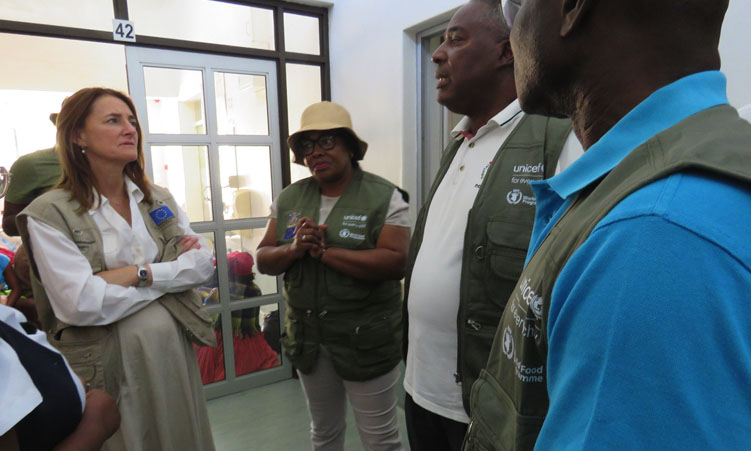
She says support from development partners, including the European Union and the United Nations Children’s Fund (Unicef), is improving teaching and learning through the provision of resources and staff training at early childhood development centres.
“Additional resources and capacity building of our teachers enhance the quality of teaching and learning that is happening in our schools,” she says.
Water supply remains another challenge for schools in the region, despite the government having drilled 21 boreholes at 21 schools.
Frederick says the region’s hard water damages pipes, leaving schools struggling to maintain reliable water infrastructure.
The region is planning to acquire its own water tanker to provide temporary relief while longer-term solutions are explored.
She also acknowledges the complexities surrounding child marriage and school attendance in some Ovahimba communities, saying the education directorate does not have reliable statistics to establish how many pupils are married.
EU ambassador to Namibia Ana Beatriz Martins says a change in attitudes can only take place if community leaders and parents influence transformation.
“Community needs are so much bigger, but the hope is that the EU would continue supporting successful programmes that will assist in reducing the dropout rates,” she says.
Unicef country representative Samuel Ocran urges more cooperation by partners for the benefit of children in acquiring an education.