






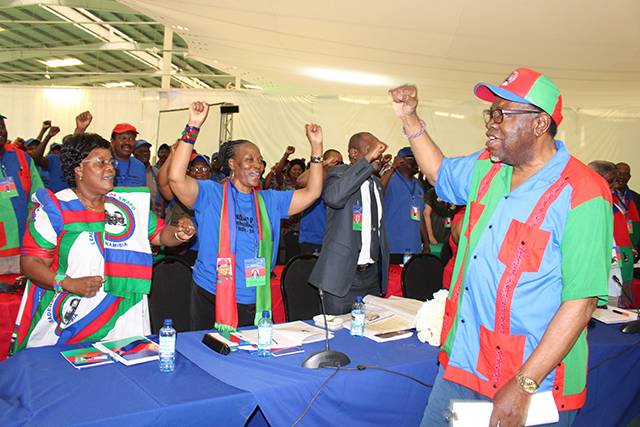
SHINOVENE IMMANUEL and SAKEUS IIKELASWAPO insists it emerged victorious from last week’s elections, despite failing to retain control of over 30 towns and village councils across the country, including economic hubs such as Windhoek, Oranjemund, Lüderitz, Swakopmund and Walvis Bay.
Swapo spokesperson Hilma Nicanor, without providing any evidence, accused “outside forces” of trying to unseat the ruling party.
She claimed the party was victorious.
The 2020 local authorities election results show that Swapo, tainted by the N$2 billion Fishrot corruption scandal, has been relegated to a party with strong rural support.
Swapo’s failure to take charge of key urban areas has given opposition parties an opportunity to run major municipalities.
More than 15 local authorities are open for coalitions to rule them.
This is the first time since independence Swapo has lost these areas.
In fact, the ruling party had control over 52 of the 57 local authority areas in Namibia in 2015.
Electoral Commission of Namibia (ECN) results released last week show that Swapo has now lost control of more than 30 town and village councils.
Now, the party only has the majority in 20 local authorities.
Apart from the Nkurenkuru village council, where the ruling party managed to win all seven seats, Swapo is now sharing the control of local authorities with other political parties.
Swapo lost the coastal region of Erongo, the north-western Kunene region, and the southern Hardap and //Kharas regions.
There Swapo lost control of towns such as Walvis Bay, Swakopmund, Keetmanshoop, Lüderitz and Oranjemund to two opposition parties – the Independent Patriots for Change and the Landless People’s Movement.
Swapo also lost Mariental, Rehoboth, Henties Bay, Arandis, Aranos, Gibeon, Goachas and Opuwo.
At other smaller town and village councils such as Gobabis, Witvlei, Kamanjab, Berseba, Usakos, Omaruru, Outjo and Karibib, no political party holds the absolute majority, leaving room for coalitions to be formed.
Swapo also failed to control the Zambezi region in the regional council elections.
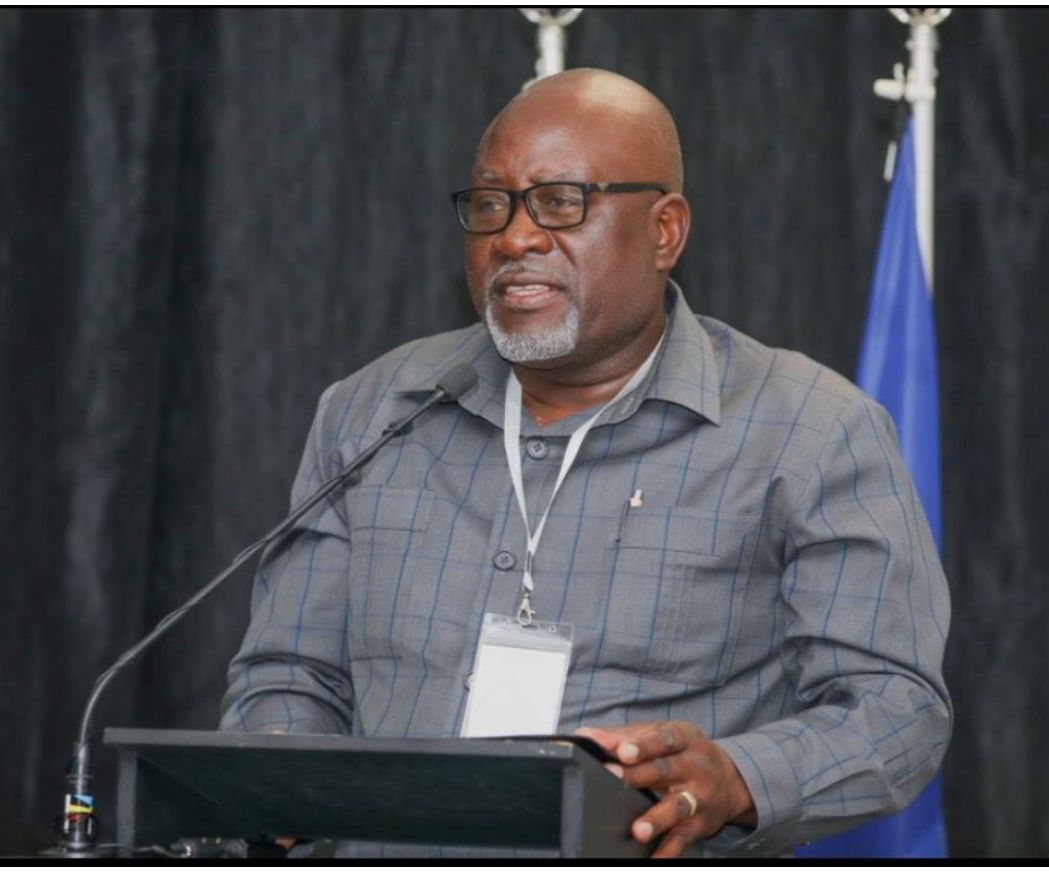
Swapo stalwart Nahas Angula told The Namibian yesterday he was not surprised at the ruling party’s “disappointing” performance in last week’s elections.
Angula said he had observed that Namibian young people no longer had faith in the ruling party and that Swapo needed to do something to give them hope.
He said Swapo’s approach to internal conflict resolution also plays a huge role in the continued demise of the ruling party.
According to him, Swapo’s policies of alienating and expelling members who are seen as troublesome are to blame.
“You cannot run the party without mechanisms of conflict resolution. If you expel Itula and you know that more than 300 000 people voted for him, you have alienated them and they will follow him,” he said.
Angula expressed concern over fragmented voter support, saying parties seem to be aligning with their ethnic strongholds for votes.
He said this could see Namibia turning back to bantustans and ethnic segregation.
“These results have shown there is no more a national party like Swapo used to be, and that is the most troubling thing I am seeing, and the problem is leadership,” Angula said.
She rejected suggestions that the party is the biggest loser after last week’s elections.
“I hear people saying that Swapo lost. It’s not true. We turned out victorious. Swapo is here to stay,” she said.
Swapo’s fall from grace has been pinned on several factors, including arrogance and the failure to understand the voters’ frustration.