




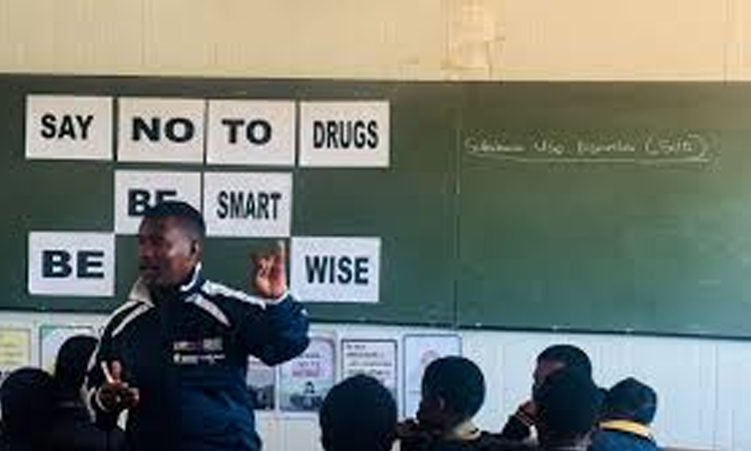
I am deeply concerned about the state of discipline in some of our schools and the growing challenges facing Namibia’s education system. Recent incidents highlight rising misconduct and question the effectiveness of current disciplinary measures.
On 16 January 2025, The Namibian reported that drugs and alcohol were blamed for Kunene’s struggling schools. The regional director of education, Sophia Fredericks, noted ill-disciplined pupils prone to substance abuse and absenteeism due to late nights in bars. Then on 28 February, residents of Kahenge held a candlelight vigil for Rosalia Andonyo, allegedly raped and murdered by a Grade 9 pupil at Kahenge Combined School. On 14 March, a pupil was arrested following a stabbing at De Duine Secondary School at Walvis Bay. On 18 March, The Namibian highlighted issues at Gibeon, where pupils reportedly insult teachers, skip classes, and show growing disrespect, with social and family instability cited as contributing factors.
These cases reflect a concerning trend that cannot be ignored. They are the very pupils teachers are expected to guide in increasingly challenging classrooms. While the education system rightly upholds pupils’ rights, many teachers feel their authority to enforce discipline has been weakened. As a result, teaching and learning are compromised, with educators unable to maintain order or shape behaviour effectively.
The United Nations Convention on the Rights of the Child outlines that discipline must be administered with respect for human dignity. This does not abolish discipline; it defines its boundaries. Correction is necessary but must never become cruel or degrading. Education, according to the Convention, should foster respect for parents, teachers, and others, linking rights with responsibility.
Expecting excellent academic outcomes while limiting disciplinary authority places teachers in difficult positions, often met with conflict or accusations. When correction leads to complaints, teachers may withdraw, undermining education’s purpose. Education shapes character, discipline, and social responsibility, not just exam results.
Pupils’ rights must balance with respect and accountability. Without this, discipline falters, learning suffers, and issues like bullying and violence rise, threatening academic and social progress. Our future leaders must be nurtured in environments where both rights and responsibilities are valued.
Only through collaboration among educators, parents, and pupils can we develop young Namibians equipped to thrive academically, socially, and morally in a complex world. Namibia’s future depends on upholding discipline, responsibility, and respect alongside rights.
– Edward Muronga