






Namibia says it will only accede to the United Nations High Seas Treaty once it has the capacity to implement its provisions and fully benefit from marine biodiversity protections beyond national jurisdiction.
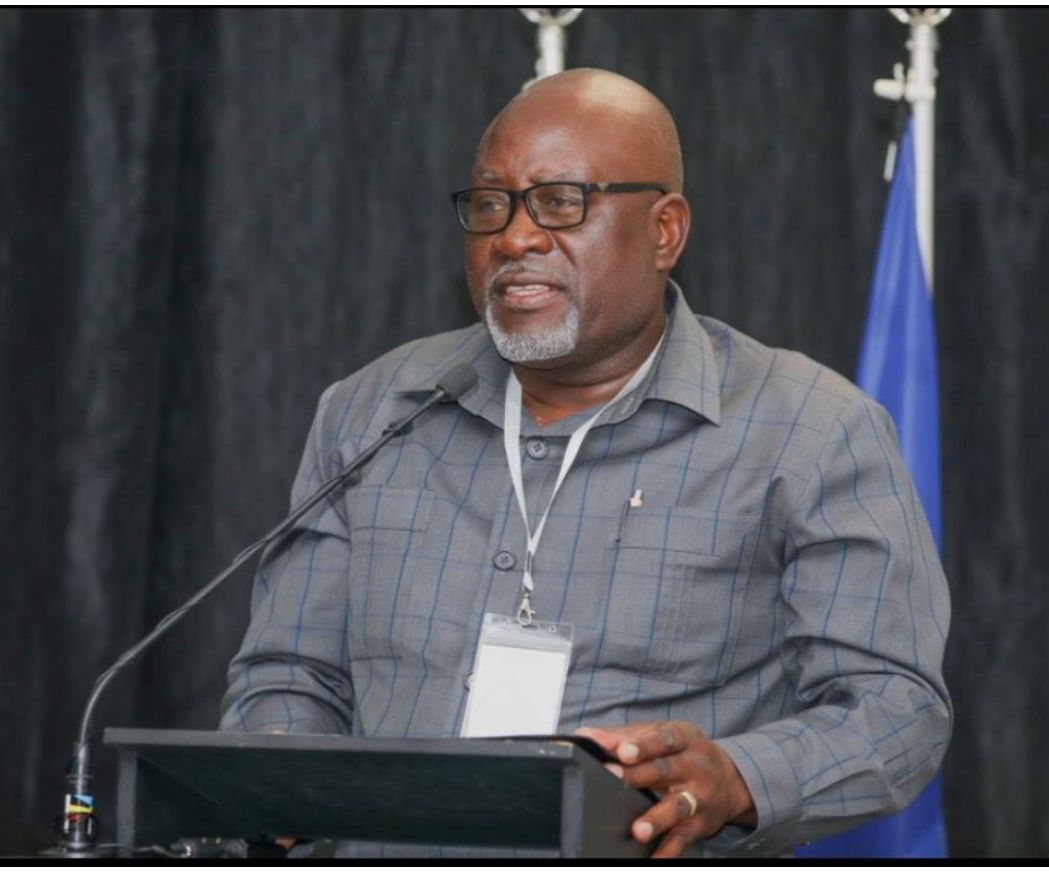
The Ministry of Agriculture, Fisheries, Water and Land Reform’s director of marine ecosystems and marine research, Graca D’Almeida, says Namibia has not yet acceded to the agreement.
She says international agreements come with obligations and Namibia wants to ensure it can implement the treaty’s provisions before joining it.
D’Almeida says Namibia recognises the importance of countries working together to manage oceans sustainably.
She points to the country’s cooperation with Angola and South Africa through the Benguela Current Convention, which promotes the sustainable use of marine biodiversity in the Benguela Current Large Marine Ecosystem.
She says Namibia does not want to join the treaty simply for the sake of becoming a member.
“The High Seas Treaty focuses on areas beyond national jurisdictions or outside the exclusive economic zones, which are not regulated and, therefore, there is a need for capacity building to ensure how we will benefit from this agreement,” D’Almeida said during the national World Oceans Day event in Windhoek on Monday.
She said the ministry has established a national committee with stakeholders, including the Ministry of Works and Transport and the Ministry of Environment and Tourism.
The committee is expected to meet soon to assess the advantages and challenges of joining the treaty and determine how Namibia could benefit from it.
The High Seas Treaty came into force on 17 January after receiving 60 ratifications from countries around the world.
It was was adopted by consensus on 19 June 2023 during a United Nations meeting in New York under the framework of the United Nations Convention on the Law of the Sea.
Namibia has welcomed the establishment of the treaty in principle, saying it could contribute to global efforts to protect and conserve the high seas.
In international law, ratification is the formal process through which a country approves a treaty and agrees to be legally bound by it.
Since Namibia did not sign the treaty when it was adopted, it can now only join through accession.
Accession allows a country that was not an original signatory to join the treaty and accept its obligations.
Marine biodiversity in areas beyond national jurisdiction covers nearly two-thirds of the world’s oceans, including the high seas and the seabed beyond national boundaries.
These areas face growing pressure from pollution, including underwater noise, overexploitation of marine resources, climate change and biodiversity loss.
Earlier this year, Namibian marine biodiversity consultant Rod Braby told The Namibian that it is important for Namibia to become a party to the agreement because it contains several marine biodiversity areas that could benefit from protection and sustainable use under the treaty.
He cited ecologically or biologically significant marine areas and the Walvis Ridge, which stretches from north of the Kunene region to Tristan da Cunha, a remote archipelago in the Atlantic Ocean.
The agreement could cover parts of this ridge that fall outside national jurisdictions.