






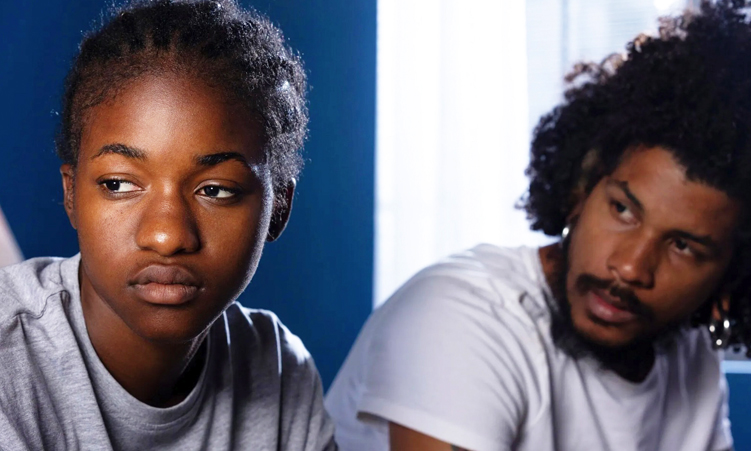
Young adults, between the ages of 18 and 35 are increasingly delaying parenthood, not because they do not want children, but because concerns about their health, finances and future stability are making the decision more difficult.
This is contained in a new United Nations Population Fund (UNFPA) report launched in Namibia.
‘The Lives, Choices and Futures’ report was launched during Namibia’s World Population Day commemoration in Windhoek last week.
Although Namibia was not among the 73 countries and territories included in the survey, officials say the findings reflect many of the realities facing young Namibians and should inform national planning and policy.
The report, based on responses from 108 926 internet-connected adults aged 18 to 39, found that economic security and good health are the most important life goals for around 90% of respondents.
It also found that: “85% of respondents consider psychological or emotional readiness an important prerequisite for becoming parents, while 67% said health and reproductive concerns, including pregnancy and childbirth, are significant barriers to having children.”
Women were more likely than men to identify these concerns.
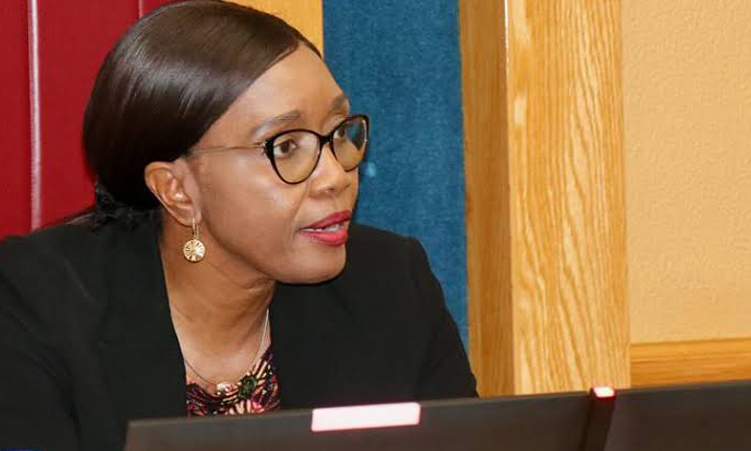
Speaking at the launch, UNFPA representative Erika Goldson said the findings challenge the assumption that young people are choosing not to have children.
“It is uncertainty, not unwillingness, that is holding our young people back,” Goldson said.
She said many young people want to become parents but cannot because of circumstances beyond their control.
“Our responsibility is not to pressure young people towards particular choices, but to create the conditions that enable them to make real, informed decisions about their futures,” she said.
According to the report, economic insecurity, the high cost of housing, inequality and concerns about global health, conflict and environmental risks continue to influence young adults’ decisions about relationships and parenthood.
While nearly two-thirds of respondents said they remain optimistic about the future, many expressed concern about whether they would be able to achieve financial stability before starting a family.
Delivering the keynote address, National Planning Commission director general Kaire Mbuende said the report’s findings resonate with the challenges confronting Namibia’s youth.
“Young people are not only the leaders of tomorrow, they are shaping Namibia today.
“Our success will depend on how effectively we invest to turn their potential into tangible outcomes,” Mbuende said.
He said national development is ultimately about creating opportunities that allow people to live healthy, productive and fulfilling lives.
Mbuende said Namibia has made progress in expanding access to education, healthcare and sexual and reproductive health services.
However, he added that many young people continue to face persistent barriers, including unemployment, inequality, inadequate housing and unequal access to essential services.
He said these challenges directly influence decisions about family planning and parenthood.
Mbuende identified teenage pregnancy as one of Namibia’s greatest development challenges, warning that it continues to interrupt education, reduce employment opportunities and reinforce cycles of poverty.
“Addressing this challenge is not only a health issue, it is a national development priority requiring coordinated action across the government, communities, families and society as a whole,” he said.
The World Health Organisation (WHO) says improving adolescent and youth health remains central to helping young people achieve their aspirations.
WHO representative Richard Banda says the report highlights the importance of strengthening healthcare systems that respond to the needs of young people.
“WHO remains committed to supporting the government of Namibia and partners to advance adolescent health, sexual and reproductive health, primary healthcare and universal health coverage.
“Our shared responsibility is to ensure that every young person can grow up healthy, safe, informed and empowered,” Banda says.
He says this includes improving access to confidential, respectful and integrated health services covering sexual and reproductive health, HIV and sexually transmitted infections, mental health, nutrition, immunisation and the prevention of noncommunicable diseases.
He adds that the WHO will continue supporting the implementation of Namibia’s National Strategy for Reproductive, Maternal, Newborn, Adolescent Health and Nutrition, while promoting quality healthcare services tailored to adolescents.
The World Population Day commemoration, held under the theme ‘Realising the Hopes and Aspirations of Young People – Today and for the Future’, brought together government institutions, development partners, civil society organisations, the private sector and young people to discuss how Namibia can better support the next generation.
Mbuende said meaningful investment in education, healthcare, entrepreneurship, decent employment and social protection would determine whether young people are able to realise their ambitions.
“Our success will not be measured by today’s discussions, but by the number of young people who complete their education, secure meaningful employment, build successful businesses and contribute to a prosperous and inclusive Namibia,” he said.