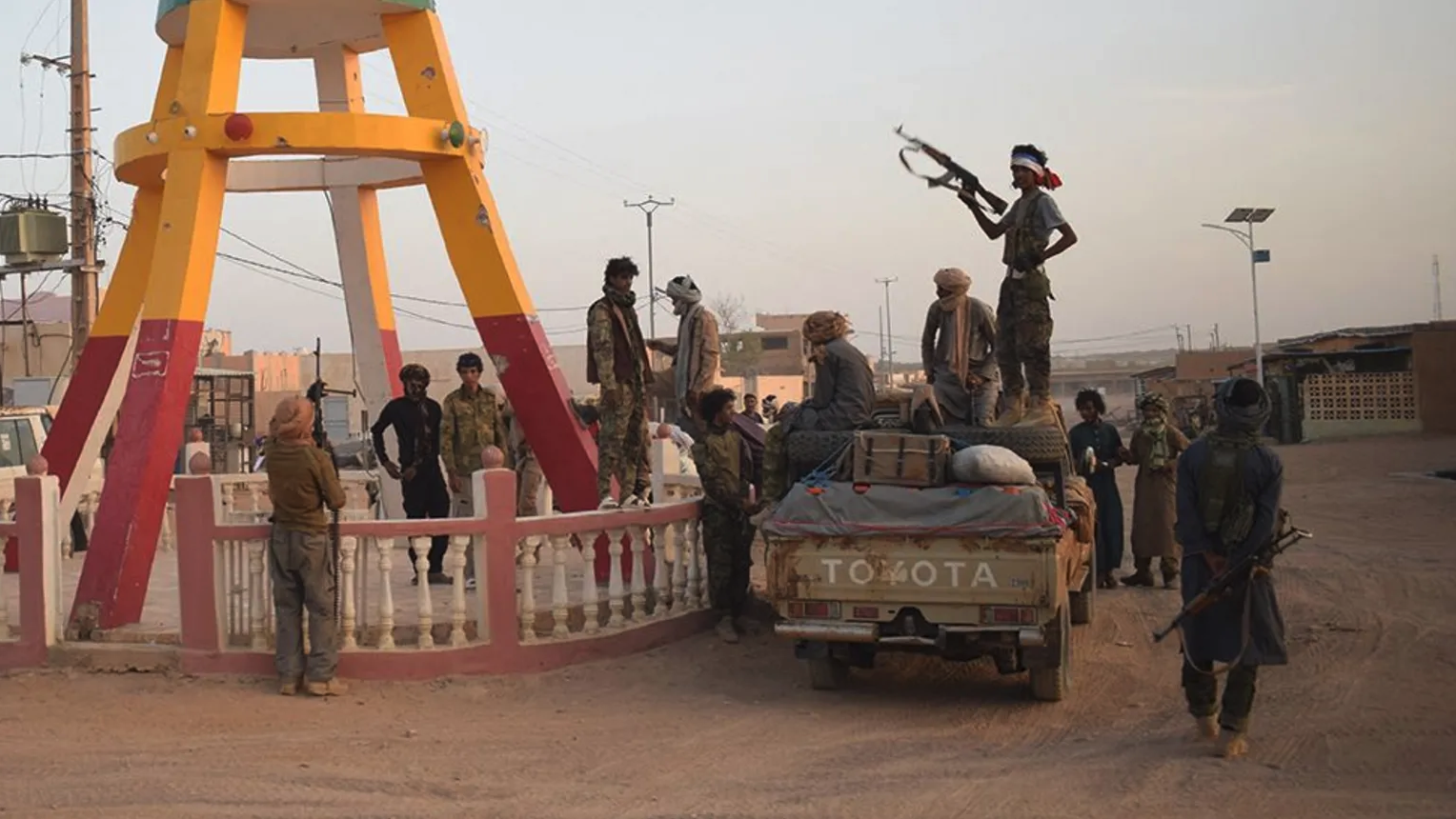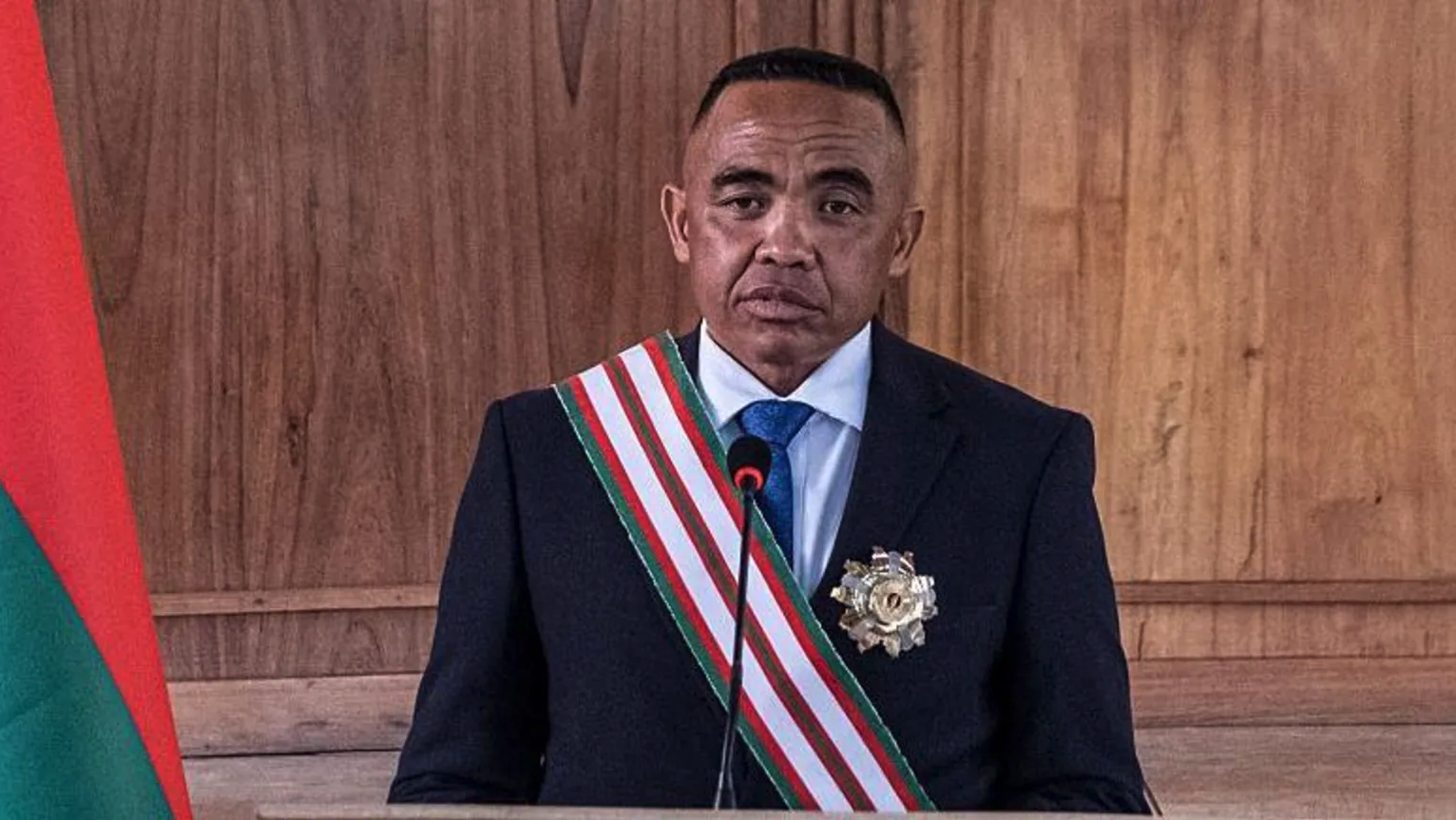




The world faces the largest humanitarian crisis since the end of the second world war with more than 20 million people in four countries facing starvation and famine, a senior United Nations official has warned.
Without collective and coordinated global efforts, “people will simply starve to death” and “many more will suffer and die from disease”, Stephen O’Brien, the UN under secretary general for humanitarian affairs, told the security council in New York.
He urged an immediate injection of funds for Yemen, South Sudan, Somalia and northeast Nigeria plus safe and unimpeded access for humanitarian aid “to avert a catastrophe.”
“To be precise,” O’Brien said, “we need US$4,4bn (N$57,3bn) by July”.
Unless there was a major infusion of money, he said, children would be stunted by severe malnutrition and would not be able to go to school, gains in economic development would be reversed and “livelihoods, futures and hope lost”.
UN and food organisations define famine as when more than 30% of children under the age of five suffer from acute malnutrition, and mortality rates are two or more deaths per 10 000 people every day, among other criteria.
“Already at the beginning of the year we are facing the largest humanitarian crisis since the creation of the United Nations [in 1945],” O’Brien said. “Now, more than 20 million people across four countries face starvation and famine.”
O’Brien said the largest humanitarian crisis was in Yemen where two-thirds of the population – 18,8 million people – need aid and more than seven million people are hungry and did not know where their next meal would come from. “That is three million people more than in January,” he said.
Yemen is engulfed in conflict as Saudi Arabia and Iran wage a proxy war in the Arab world’s poorest nation. O’Brien said more than 48 000 people fled fighting just in the past two months.
During his recent visit to Yemen, O’Brien said he met senior leaders of the Saudi-backed government and the Tehran-backed Shi’ite Houthi rebels who control the capital Sanaa, and all promised access for aid.
“Yet all parties to the conflict are arbitrarily denying sustained humanitarian access and politicise aid,” he said, warning if that behaviour did not change “they must be held accountable for the inevitable famine, unnecessary deaths and associated amplification in suffering that will follow”.
For 2017, O’Brien said US$2,1bn (N$27,3bn) was needed to reach 12 million Yemenis “with lifesaving assistance and protection” but only 6% has been received so far. He announced that secretary general Antonio Guterres will chair a pledging conference for Yemen on 25 April in Geneva.
Sudan And Somalia
The UN humanitarian chief also visited South Sudan, the world’s newest nation which has been ravaged by a three-year civil war, and said “the situation is worse than it has ever been”.
“The famine in South Sudan is man-made,” he said. “Parties to the conflict are parties to the famine – as are those not intervening to make the violence stop.”
O’Brien said more than 7,5 million people need aid, up by 1,4 million from last year, and about 3,4 million South Sudanese are displaced by fighting including almost 200 000 who have fled the country since January.
“More than one million children are estimated to be acutely malnourished across the country, including 270 000 children who face the imminent risk of death should they not be reached in time with assistance,” he said.
“Meanwhile, the cholera outbreak that began in June 2016 has spread to more locations.”
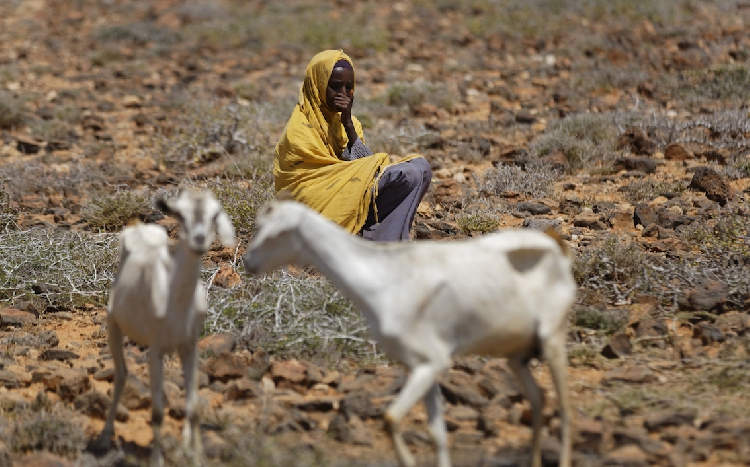
In Somalia, which O’Brien also visited, more than half the population – 6,2 million people – need humanitarian assistance and protection, including 2,9 million who are at risk of famine and require immediate help “to save or sustain their lives”.
He warned that close to one million children under the age of five would be “acutely malnourished” this year.
“What I saw and heard during my visit to Somalia was distressing – women and children walk for weeks in search of food and water. They have lost their livestock, water sources have dried up and they have nothing left to survive on,” O’Brien said. “With everything lost, women, boys, girls and men now move to urban centres.”
He said current indicators mirror “the tragic picture of 2011 when Somalia last suffered a famine”. But he said the UN’s humanitarian partners have a larger footprint, better controls on resources, and a stronger partnership with the new government which recently declared the drought a national disaster.
“To be clear, we can avert a famine,” O’Brien said. “We’re ready despite incredible risk and danger … but we need those huge funds now.”
In north-east Nigeria, a seven-year uprising by the Islamic extremist group Boko Haram has killed more than 20 000 people and driven 2,6 million from their homes.
A UN humanitarian coordinator said last month that malnutrition in the north-east is so pronounced that some adults are too weak to walk and some communities have lost all their toddlers. –
In an age of information overload, Sunrise is The Namibian’s morning briefing, delivered at 6h00 from Monday to Friday. It offers a curated rundown of the most important stories from the past 24 hours – occasionally with a light, witty touch. It’s an essential way to stay informed. Subscribe and join our newsletter community.

The Namibian uses AI tools to assist with improved quality, accuracy and efficiency, while maintaining editorial oversight and journalistic integrity.
Stay informed with The Namibian – your source for credible journalism. Get in-depth reporting and opinions for
only N$85 a month. Invest in journalism, invest in democracy –
Subscribe Now!