


IT is World Tuberculosis (TB) Day tomorrow, and here is what everyone should know about how this disease is spread, what it is and how it is treated.
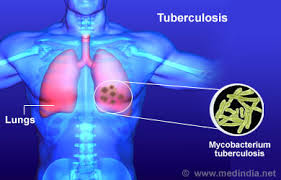
According to the World Heath Organisation (WHO), TB is caused by bacteria (Mycobacterium tuberculosis) that most often affect the lungs. Tuberculosis is curable and preventable.
TB is spread from person to person through the air. When people with lung TB cough, sneeze or spit, they propel the TB germs into the air. A person needs to inhale only a few of these germs to become infected.
About one-third of the world’s population has latent TB, which means people have been infected by TB bacteria but are not (yet) ill with disease and cannot transmit the disease.
People infected with TB bacteria have a lifetime risk of falling ill with TB. However, persons with compromised immune systems, such as people living with HIV, malnutrition or diabetes, or people who use tobacco, have a much higher risk of falling ill.
TB is spread through the air from one person to another. The TB bacteria are put into the air when a person with TB of the lungs or throat coughs, sneezes, speaks or sings. People nearby may breathe in these bacteria and become infected.
TB IS NOT SPREAD BY:
ν shaking someone’s hand
ν sharing food or drink
ν touching bed linens or toilet seats
ν sharing toothbrushes
ν kissing
Not everyone infected with TB bacteria becomes sick. As a result, two TB-related conditions exist: latent TB infection and TB disease.
TB bacteria can live in the body without making you sick. This is called latent TB infection. In most people who breathe in TB bacteria and become infected, the body is able to fight the bacteria to stop them from growing. People with latent TB infection do not feel sick and do not have any symptoms. People with latent TB infection are not infectious and cannot spread TB bacteria to others. However, if TB bacteria become active in the body and multiply, the person will go from having latent TB infection to being sick with TB disease.
TB bacteria become active if the immune system can’t stop them from growing. When TB bacteria are active (multiplying in your body), this is called TB disease. People with TB disease are sick. They may also be able to spread the bacteria to people they spend time with every day.
Many people who have latent TB infections never develop the TB disease. Some people develop TB disease soon after becoming infected (within weeks) before their immune system can fight the TB bacteria. Other people may get sick years later when their immune system becomes weak for another reason.
For people whose immune systems are weak, especially those with HIV infection, the risk of developing TB disease is much higher than for people with normal immune systems.
It is not known why some people who are exposed to the bacteria become infected when other people don’t. The chance of becoming infected depends mainly on the amount of infectious droplets in the air, and the length of exposure to an infectious person. The closer the infectious person is, and the longer the time of exposure, the higher the risk of being infected.
It is very difficult to diagnose TB by a person’s symptoms alone. This is because some other diseases have the same symptoms. A diagnosis is usually only certain when there is definite evidence of TB bacteria. Some of the tests used for diagnosis look directly for the bacteria. Others such as the chest X-ray look for the effect of the bacteria on the person suspected of having TB.
Tests for diagnosis include the TB skin test, the IGRA tests, sputum microscopy and culture as well as the new Genexpert test. Major problems with the tests are the lack of accuracy as well as the time they take. With newer tests a major issue is the cost.
This is why there is an urgent need for new drugs to be developed. There is now a new drug bedaquiline, which is starting to be available for the treatment of drug resistant TB. There are however some problems with it.