Windhoek woman’s battle for blood

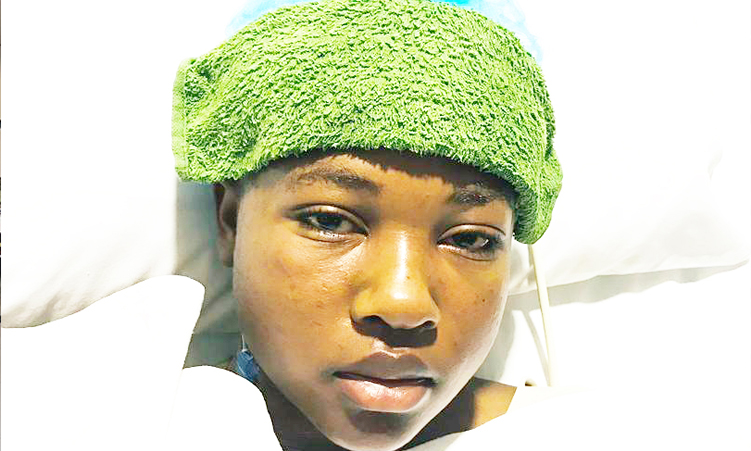
FIGHTING … Martha Uupindi (23), who suffers from a rare blood disorder, is seeking public assistance for a procedure in South Africa. Photo: Contributed

Former hairstylist seeks funds for bone marrow transplant

A young woman is appealing to the public for assistance to help fund a bone marrow transplant in South Africa after being diagnosed with a rare and life-threatening blood disorder.

According to her medical report, Martha Uupindi (23) from Windhoek has severe aplastic anaemia, a condition involving that her bone marrow fails to produce enough red blood cells, white blood cells and platelets.

The report says the condition leaves patients extremely weak, vulnerable to infections and at risk of severe bleeding that can be deadly if left untreated.

It further says a bone marrow transplant offers the best chance of recovery, and that one of Uupindi’s brothers has been identified as a compatible donor.

The treatment, however, needs to be carried out in South Africa because of the specialised facilities required.

While the Public Service Employees Medical Aid Scheme (Psemas) is expected to cover most of Uupindi’s major medical costs, the family still needs around N$200 000 for additional expenses, such as travel, accommodation, medication and daily support during her treatment.

Uupindi says her health started deteriorating in 2022 after she suddenly collapsed while working as a hairstylist.

“I was feeling very dizzy, I couldn’t see properly, and I couldn’t breathe,” she says.

She says doctors later discovered that her blood cell counts were critically low before tests confirmed the diagnosis.

Since then, Uupindi says she has relied heavily on blood transfusions and frequent hospital admissions.

She describes living in constant fear after doctors warned her that even a minor injury or fall could lead to life-threatening bleeding.

“If I happen to faint and hit my head, I can bleed in the brain and can die,” she says.

Uupindi says the condition has affected her studies, work and mental well-being.

She says she opened a beauty salon in 2024 and employed four people, but recurring hospital visits and severe fatigue often prevented her from working consistently.

This year, she enrolled as an occupational health and safety student, but says attending classes and completing practical work has become increasingly difficult because of her constant exhaustion and severe headaches.

“Walking, bathing, literally anything can make you tired,” she says.

Uupindi, who lost her mother in 2014 before relocating from the Oshikoto region to Windhoek with her siblings, says the condition has held her back in life.

Her family is now appealing to relatives, friends and members of the public for support to help her access urgent treatment.

BONE MARROW FAILURE

General practitioner Dr Cornelia Ndifon described aplastic anemia as the total failure of the bone marrow to produce blood cells.

“The blood we see is red and it has different components. We have red blood cells, white blood cells and all other types. The bone marrow is the main organ responsible for producing brand new young cells and putting them into circulation.

“Red blood cells stay alive for 120 days and should be replaced. So, with severe anaemia and in this case, the inability of the bone marrow to keep up with that production – extremely low counts or nothing at all – is called aplastic anaemia,” she says.

Ndifon says this would cause a person to be anaemic, reducing their oxygen-carrying capacity.

They would therefore be feeling dizzy, tired, and breathless.

“The person’s own cells target the body, destroy the bone marrow and make it unable to function. Auto-immunity can arise from many factors, including exposure to chemicals and radiation.

“The treatment is always a blood transfusion and hopefully a bone marrow transplant,” she says.

Former hairstylist seeks funds for bone marrow transplant

A young woman is appealing to the public for assistance to help fund a bone marrow transplant in South Africa after being diagnosed with a rare and life-threatening blood disorder.

According to her medical report, Martha Uupindi (23) from Windhoek has severe aplastic anaemia, a condition involving that her bone marrow fails to produce enough red blood cells, white blood cells and platelets.

The report says the condition leaves patients extremely weak, vulnerable to infections and at risk of severe bleeding that can be deadly if left untreated.

It further says a bone marrow transplant offers the best chance of recovery, and that one of Uupindi’s brothers has been identified as a compatible donor.

The treatment, however, needs to be carried out in South Africa because of the specialised facilities required.

While the Public Service Employees Medical Aid Scheme (Psemas) is expected to cover most of Uupindi’s major medical costs, the family still needs around N$200 000 for additional expenses, such as travel, accommodation, medication and daily support during her treatment.

Uupindi says her health started deteriorating in 2022 after she suddenly collapsed while working as a hairstylist.

“I was feeling very dizzy, I couldn’t see properly, and I couldn’t breathe,” she says.

She says doctors later discovered that her blood cell counts were critically low before tests confirmed the diagnosis.

Since then, Uupindi says she has relied heavily on blood transfusions and frequent hospital admissions.

She describes living in constant fear after doctors warned her that even a minor injury or fall could lead to life-threatening bleeding.

“If I happen to faint and hit my head, I can bleed in the brain and can die,” she says.

Uupindi says the condition has affected her studies, work and mental well-being.

She says she opened a beauty salon in 2024 and employed four people, but recurring hospital visits and severe fatigue often prevented her from working consistently.

This year, she enrolled as an occupational health and safety student, but says attending classes and completing practical work has become increasingly difficult because of her constant exhaustion and severe headaches.

“Walking, bathing, literally anything can make you tired,” she says.

Uupindi, who lost her mother in 2014 before relocating from the Oshikoto region to Windhoek with her siblings, says the condition has held her back in life.

Her family is now appealing to relatives, friends and members of the public for support to help her access urgent treatment.

BONE MARROW FAILURE

General practitioner Dr Cornelia Ndifon described aplastic anemia as the total failure of the bone marrow to produce blood cells.

“The blood we see is red and it has different components. We have red blood cells, white blood cells and all other types. The bone marrow is the main organ responsible for producing brand new young cells and putting them into circulation.

“Red blood cells stay alive for 120 days and should be replaced. So, with severe anaemia and in this case, the inability of the bone marrow to keep up with that production – extremely low counts or nothing at all – is called aplastic anaemia,” she says.

Ndifon says this would cause a person to be anaemic, reducing their oxygen-carrying capacity.

They would therefore be feeling dizzy, tired, and breathless.

“The person’s own cells target the body, destroy the bone marrow and make it unable to function. Auto-immunity can arise from many factors, including exposure to chemicals and radiation.

“The treatment is always a blood transfusion and hopefully a bone marrow transplant,” she says.

In an age of information overload, Sunrise is The Namibian’s morning briefing, delivered at 6h00 from Monday to Friday. It offers a curated rundown of the most important stories from the past 24 hours – occasionally with a light, witty touch. It’s an essential way to stay informed. Subscribe and join our newsletter community.

AI placeholder

The Namibian uses AI tools to assist with improved quality, accuracy and efficiency, while maintaining editorial oversight and journalistic integrity.

Stay informed with The Namibian – your source for credible journalism. Get in-depth reporting and opinions for only N$85 a month. Invest in journalism, invest in democracy –
Subscribe Now!


Latest News